We All Matter News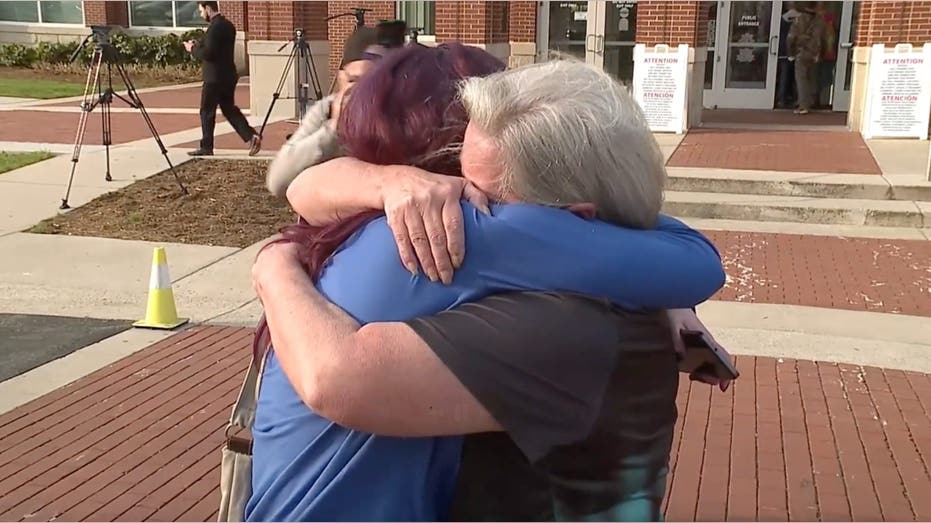
A Long-Awaited Reunion After 24 Years of Silence
Outside a North Carolina courtroom this week, a deeply emotional scene unfolded — one that underscored the complicated, painful realities many families carry behind closed doors. Michele Hundley Smith, a woman who disappeared from her Rockingham County home 24 years ago, embraced her daughter for the first time in more than two decades.
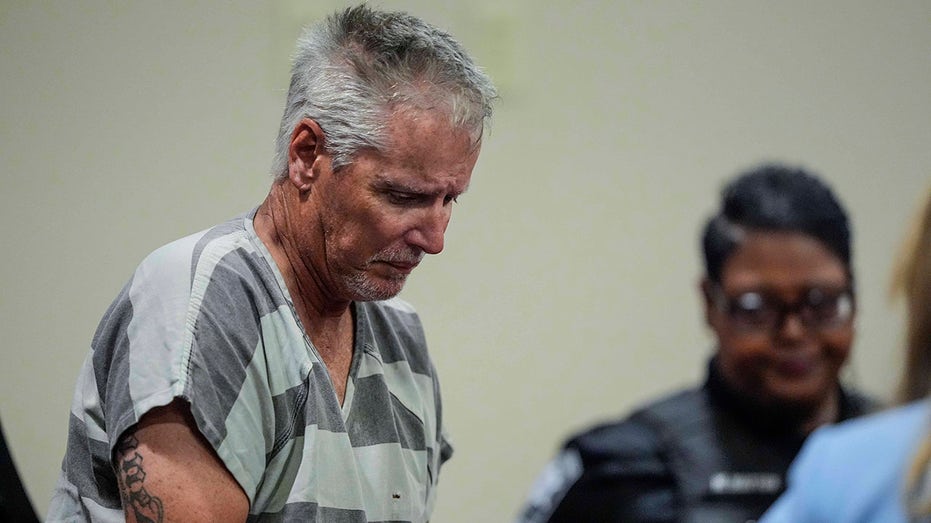
Smith, now 63, appeared before a judge Thursday in connection with a decades-old driving while impaired charge dating back to November 2001. But it was not the legal proceeding that captured hearts — it was what happened afterward. As she exited the courtroom, Smith hurried toward her daughter, Amanda Hundley, and wrapped her in a tearful embrace.
The two had not seen each other since December 2001, when Smith left her home in Eden, North Carolina. At the time, she was 38 years old and the mother of three. She told her family she was heading out to do Christmas shopping at a nearby K-Mart in Virginia — and then vanished.
Her car was never recovered. Weeks later, her husband reported her missing. For years, local, state, and federal agencies searched for answers. Flyers circulated. Leads fizzled out. The case grew cold.
It was not until February of this year that investigators, acting on new information, located Smith alive somewhere within North Carolina. Authorities have said there is no evidence of foul play in her disappearance.
A Story Shaped by “Ongoing Domestic Issues”
According to Rockingham County Sheriff Sam Page, Smith told investigators she left voluntarily, pointing to what were described as “ongoing domestic issues” at home. Officials have not provided further details.
While much remains private, Smith’s account raises familiar and urgent questions about domestic turmoil and the invisible pressures many women face. Too often, survivors of family strife feel they have limited options, inadequate resources, or nowhere safe to turn. In the early 2000s, public conversations around domestic hardship were even more stigmatized than they are today.
Smith reportedly lived quietly for years in a rural community near the South Carolina border. Neighbors described her as reserved and largely keeping to herself. In a brief comment to reporters, Smith said she is attempting to rebuild her relationship with her daughter.
“My daughter is forgiving me. We are in contact,” she said.
On Thursday, that effort at reconciliation was visible in a simple but profound exchange. As Smith approached her daughter outside the courthouse, she reportedly said, “Amanda? Your hair wasn’t this length. We walked right by you. I didn’t recognize you.”
Two decades of missed birthdays, holidays, and milestones stood between them — yet in that moment, what remained was the possibility of healing.
The Legal Proceedings
Smith’s court appearance stems from a DWI charge issued by Eden police on November 11, 2001, just weeks before she disappeared. She did not appear at a scheduled court date on December 27 of that year.
Following her identification in February 2026, Smith was taken into custody at the request of Rockingham County authorities. She later posted a $2,000 bond. Her next court hearing is scheduled for April 23.
While the legal matter must now move forward, it exists alongside a far more human story — one about estrangement, survival, and the complicated path toward accountability and forgiveness.
A Reminder of the Complex Realities Families Face
This case resists easy narratives. It is not simply about a disappearance solved or a cold case reopened. It is about the fragile bonds of family, the long shadow of domestic instability, and the reality that many personal crises unfold without public understanding or systemic support.
For 24 years, a daughter lived with unanswered questions. For 24 years, authorities searched. Now, a reunion offers a beginning — not a resolution, but a chance at truth-telling and reconciliation.
In a society that too often overlooks the warning signs of domestic distress and fails to provide robust safety nets for those in crisis, this story stands as a powerful reminder: behind every headline are people navigating pain, survival, and, sometimes, the difficult work of coming home.