We All Matter News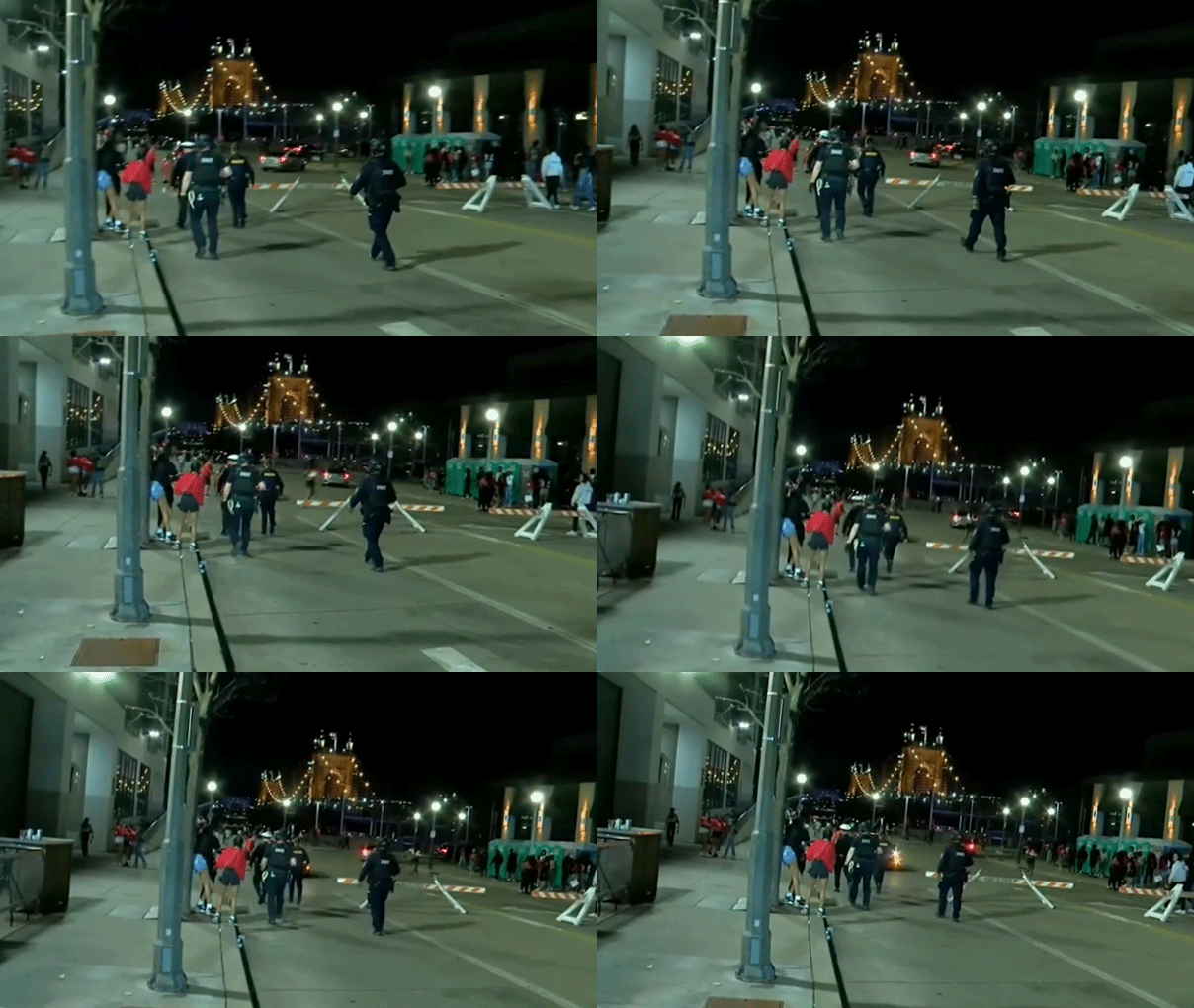
Opening Day in Cincinnati Draws Massive Crowds—and Raises Questions About Public Safety and Community Response
Cincinnati’s beloved Opening Day tradition brought tens of thousands of people downtown Thursday to celebrate the Reds, but as the evening unfolded, parts of the city were overtaken by clashes, arrests, and an intensified police presence.
Large crowds filled the streets around Great American Ball Park and nearby entertainment districts, including The Banks, following the game. As celebrations spilled into the night, police reported incidents they described as “disorder and violence,” with some gatherings escalating into fights. Videos circulating on social media showed streets jammed with people, traffic at a standstill, and officers attempting to disperse crowds.
Law enforcement officials said officers responded to multiple altercations and, at times, encountered resistance from individuals in the crowd. Police used loudspeakers to order people to leave the area and called in additional resources, including support from the Hamilton County Sheriff’s Office and state law enforcement partners.
Authorities confirmed that several arrests were made, though they have not yet released the total number of people detained or what charges they may face.
A Citywide Impact
The disturbances were not confined to a single neighborhood. Police reported issues across multiple parts of downtown, including Over-the-Rhine, Fountain Square, and Washington Park. Opening Day in Cincinnati is one of the city’s signature annual events, complete with a parade, a packed ballpark, and daylong celebrations that often extend into the late evening.
In response to what officials described as a volatile situation, authorities temporarily cleared some areas and even blocked a bridge into the city to limit additional traffic. Captain Justin Bradbury of the Hamilton County Sheriff’s Office said the move was intended to protect people who might unknowingly enter an already tense atmosphere.
By later that night, police said they had brought the situation under control.
Mayor Calls for Accountability
Mayor Aftab Pureval strongly condemned the violence, calling the behavior “an outrage” and emphasizing that it threatens the sense of safety that residents and visitors expect in the city’s urban core.
“This is exactly what causes fear and concern among our guests who come to support our urban core,” Pureval said in a statement the following morning.
The mayor expressed gratitude to law enforcement agencies for what he described as a coordinated and swift response, but also suggested that repeated large-scale crackdowns are not a sustainable solution.
“We cannot ask this of them every night,” he said, adding that he expects full accountability from those involved and collaboration from community stakeholders to prevent similar incidents in the future.
Balancing Celebration and Community Safety
For many working families and small businesses, Opening Day is more than just a baseball game—it’s an economic engine and a civic ritual that brings people together across neighborhoods and backgrounds. But as the city grapples with the aftermath of Thursday’s unrest, important questions are emerging about how to ensure public safety without resorting to overly aggressive crowd control measures that can heighten tensions.
Large gatherings in densely populated entertainment districts often test city infrastructure and public safety planning. Advocates for smart public policy note that effective crowd management requires investment in:
- Expanded public transportation options to reduce gridlock and congestion
- Clear, accessible communication with attendees about event expectations
- Community-based safety initiatives that prioritize de-escalation
- Coordination with local businesses and neighborhood leaders
As Cincinnati reflects on a night that veered from celebration to confrontation, residents are left weighing two shared values: the freedom to gather and celebrate as a community, and the collective responsibility to ensure everyone can do so safely.
The challenge now is not simply restoring “order,” but strengthening the kind of inclusive, well-prepared civic infrastructure that allows major public events to uplift the whole city—without fear, without unnecessary force, and without undermining the democratic spirit that makes such gatherings meaningful in the first place.