We All Matter News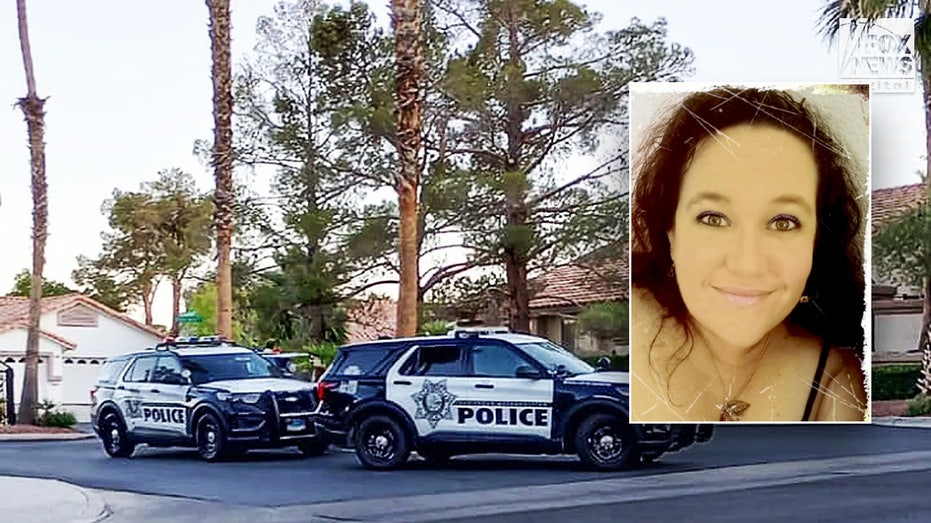
Las Vegas Grocery Store Shooting Leaves Two Dead Amid Ongoing Custody Dispute
A devastating act of gun violence shattered a Las Vegas community this week when a man allegedly shot and killed his ex-wife and her husband at the grocery store where they both worked. The tragedy has reignited urgent questions about domestic violence, access to firearms, and the systems meant to protect families during custody disputes.
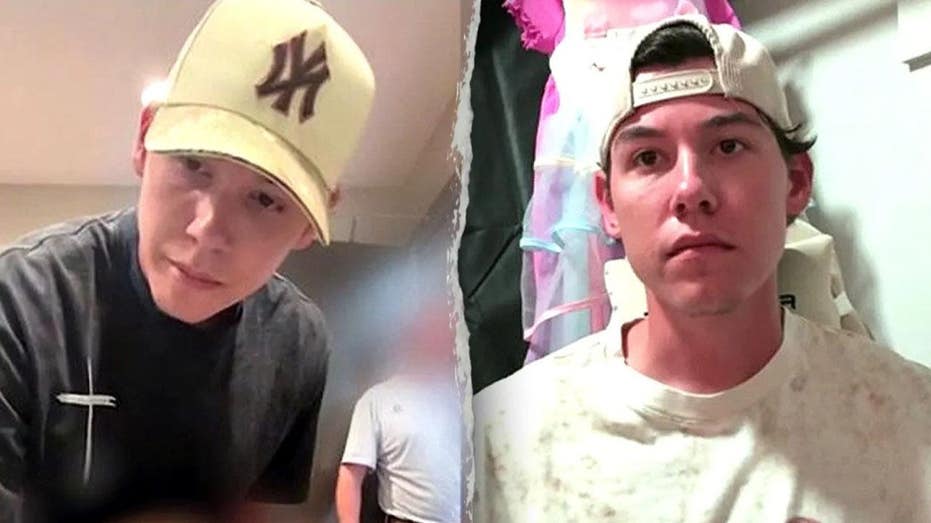
Police say 43-year-old Alejandro Estrada walked into a Smith’s grocery store on Tuesday and immediately began firing. His alleged targets were his former wife, Amanda Rosas, and her husband, Victor Frias Rosas. Both were killed at their workplace — a space that should have been safe for workers and shoppers alike.
According to authorities, bystanders courageously intervened, tackling Estrada and holding him down until law enforcement arrived. Witness Paula Milton described the suspect as eerily calm amid the chaos.
“He was completely calm. No expression. No nothing,” she said, noting that while others were running and screaming, he showed no visible reaction.
Police report that Estrada was armed with multiple weapons during the attack. He now faces 12 criminal charges, including two counts of murder.
A History of Tension and Unresolved Support
The killings reportedly occurred against the backdrop of an ongoing and contentious custody battle over the couple’s two children, ages 12 and 9. Estrada and Amanda Rosas had divorced, and she had remarried last year. Court records indicate Estrada owed more than $2,800 in unpaid child support at the time of the shooting.
Advocates for survivors of domestic abuse have long warned that separation and custody disputes can be especially dangerous periods for victims. When financial strain, access to weapons, and unresolved conflict intersect, the results can be deadly. This tragedy underscores the need for stronger safeguards for parents and children navigating family court systems, as well as meaningful enforcement of child support obligations.
A Broader Pattern of Violence
The grocery store shooting comes amid other violent incidents in Las Vegas that have left families grieving and communities searching for answers.
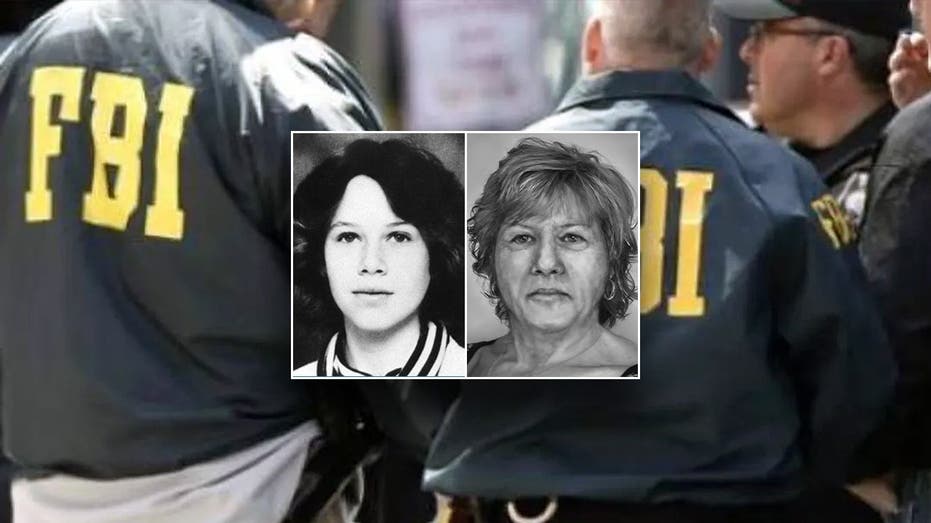
In a separate case earlier this month, police arrested a high school student in connection with the killing of 61-year-old Marceline Biasini, a woman experiencing homelessness. Her body was discovered on April 21 outside a local business, where officers found her suffering from severe injuries.
Investigators later identified 18-year-old Dennis Geiggar as the suspect. Surveillance footage reportedly showed a brief nighttime encounter near where Biasini was found. Though cameras did not directly capture the alleged assault, audio reportedly recorded a scream followed by dozens of loud impacts.
Geiggar was arrested on May 5. Authorities have said he had recently been expelled from a nearby high school after allegedly attempting to start a fire on campus. Reports indicate he had a documented history of anger-related outbursts and property damage and had participated in anger management classes.
Communities Demand Prevention, Not Just Prosecution
While the legal system will now determine the fate of those accused, community members and advocates stress that reactive policing alone cannot address the deeper issues at play. Families navigating custody disputes often face inadequate protections. Survivors of domestic conflict frequently struggle to secure restraining orders that are effectively enforced. And easy access to firearms continues to escalate interpersonal disputes into fatal encounters.
For working people like Amanda and Victor Rosas — killed while simply doing their jobs — the workplace should never become a site of lethal violence. Their deaths are not just private tragedies; they reflect systemic failures that demand action.
- Stronger enforcement of domestic violence protections
- More robust safeguards during high-conflict custody disputes
- Expanded access to mental health services and early intervention programs
- Common-sense gun safety measures to prevent known risks from turning deadly
As Las Vegas mourns, families across the country are left confronting a painful truth: when warning signs go unaddressed and systems fall short, the cost is measured in human lives. Justice now depends not only on courtroom proceedings, but on whether leaders are willing to confront the structural gaps that allow preventable violence to continue.