We All Matter News
Immigration Enforcement Push Raises Questions About Public Safety, Due Process, and Priorities
Federal immigration authorities have announced a series of arrests targeting undocumented immigrants with prior criminal convictions, as part of what officials describe as ongoing nationwide enforcement efforts. The government says nearly 70% of those detained in the latest actions had either been charged with or convicted of crimes in the United States.
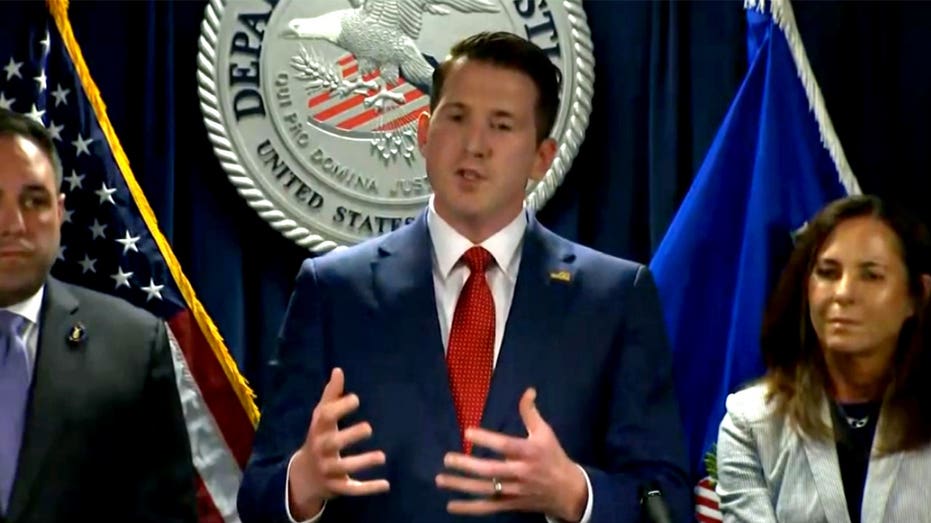
U.S. Immigration and Customs Enforcement (ICE) highlighted several cases involving serious offenses, including arson, drug trafficking, and burglary. Acting Assistant Secretary Lauren Bis said in a statement that the arrests demonstrate a commitment to “making American communities safer,” adding that under former President Donald Trump’s leadership, individuals who enter the country unlawfully and violate criminal laws will face arrest.
Among those cited by the agency:
- Elias Torres-Collins, a Honduran national convicted of arson in Tarrant County, Texas.
- Juan David Fernandez-Garcia, a Colombian national convicted of burglary with assault in Miami, Florida.
- Juan Flores-Perez, a Mexican national convicted in federal court of conspiracy to possess 500 grams or more of methamphetamine with intent to distribute in the Southern District of Florida.
- Sophath Phuong, a Cambodian national convicted in Philadelphia of burglary, possessing instruments of crime, and criminal conspiracy.
- Juan Reyes-Gonzalez, a Colombian national convicted of burglary in Carmel, New York.
ICE did not provide a total number of arrests connected to the announcement but said the cases reflect broader enforcement priorities that focus on individuals with criminal records.
Public Safety and Proportional Response
No one disputes that communities deserve protection from violence, drug trafficking, and property crimes. People convicted of serious offenses must be held accountable under the law, regardless of immigration status. But immigration advocates and civil rights organizations have long urged policymakers to ensure that enforcement strategies are narrowly tailored, transparent, and consistent with constitutional protections.
Critics argue that federal officials often spotlight high-profile criminal cases to justify sweeping enforcement policies that extend far beyond individuals convicted of violent crimes. While ICE emphasized that a majority of those arrested had criminal histories, that statistic also implies that a significant portion did not have such convictions — raising concerns about the broader net cast by enforcement operations.
Protecting communities and upholding due process are not opposing values — they are both essential pillars of a functioning democracy.
The Broader Immigration Debate
The announcement comes amid an intensifying national debate over immigration policy, border management, and the treatment of undocumented people who have built lives and families in the United States. For progressives, the challenge is balancing legitimate public safety concerns with a commitment to humane immigration reform — including pathways to status, worker protections, and safeguards against racial profiling and unjust detention.
Advocates also point to the need for clearer data and oversight. Without full transparency about who is being arrested and why, communities are left to question whether enforcement is truly focused on serious threats or used as a political tool to project “toughness” on immigration.
Accountability and Reform
As federal authorities continue these operations, immigrant rights groups are calling for policies that prioritize serious violent offenses while avoiding indiscriminate actions that destabilize families and workplaces. They argue that meaningful reform must address the root causes of migration, modernize the legal immigration system, and protect workers — regardless of status — from exploitation that drives underground labor markets.
Ultimately, public safety and immigrant justice are not mutually exclusive goals. Ensuring that people convicted of serious crimes face consequences is important. So too is safeguarding civil liberties, preventing overreach, and building an immigration system that reflects America’s democratic values and commitment to fairness.
The path forward, advocates say, requires more than headlines about arrests. It demands comprehensive, humane reform that strengthens communities rather than dividing them — and recognizes that accountability and equality must go hand in hand.