We All Matter News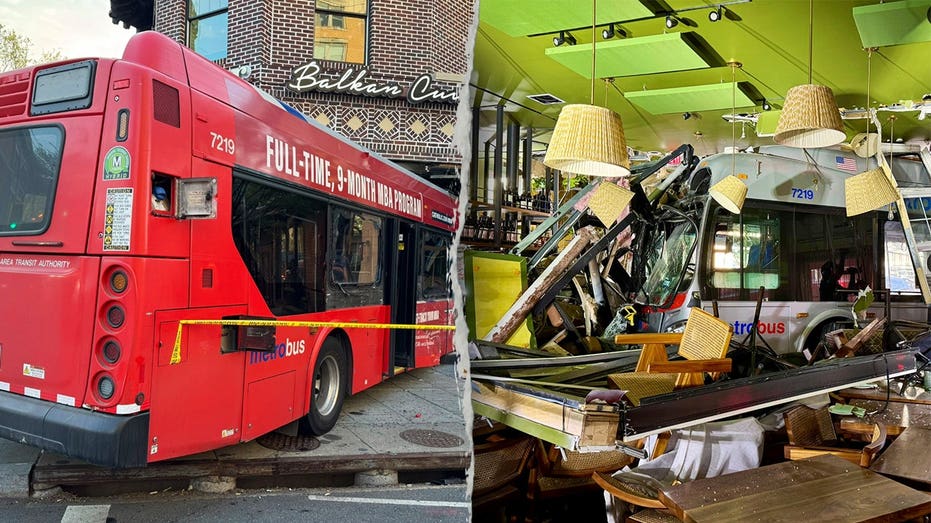
Transit Crash Shakes DC Neighborhood, Raising Fresh Questions About Public Safety
A Washington, D.C. neighborhood was rattled Saturday morning when a city Metrobus barreled into a well-known local restaurant, sending three people to the hospital and leaving residents shaken. The crash, which occurred at the intersection of 7th and Q Streets NW in the Shaw neighborhood, underscores the ever-present need for investment in safe, reliable public infrastructure that protects both workers and communities.
According to D.C. Fire and EMS, emergency crews responded quickly to reports of a collision involving a Metrobus and another vehicle. The bus ultimately crashed through the wall of Ambar Restaurant, plowing into its dining room. Fortunately, the dining area was empty at the time, likely preventing a far more devastating outcome.
Four individuals were evaluated at the scene. Three adult women were transported to a local hospital with what officials described as minor injuries. While no life-threatening injuries were reported, the emotional toll of such a terrifying incident should not be overlooked.
First responders worked swiftly to secure the scene, shutting off utilities and conducting a thorough search of the building. A specialized structural collapse team was deployed to assess the stability of the damaged restaurant. Officials later confirmed that although the building was breached, there was no major structural damage, and no additional reinforcement was necessary. The bus was eventually removed from inside the property, and crews began clearing the site.
Authorities have not yet disclosed what caused the crash. It also remains unclear how many passengers were aboard the bus at the time of the collision. The Washington Metropolitan Area Transit Authority (WMATA), which operates the Metrobus system, has not publicly provided further details.
A Community Landmark Disrupted
Ambar Restaurant, located in the heart of Shaw, is a Michelin-recognized Balkan establishment known for its popular brunch and dinner offerings. As a neighborhood staple, the restaurant supports local workers and contributes to a vibrant small-business economy that keeps D.C.’s communities thriving. Incidents like this put not only lives at risk, but also the livelihoods of service workers who depend on safe, stable workplaces.
For workers employed at the restaurant and within the transit system, safety is not an abstract concern — it is a daily necessity. Public transportation operators serve as essential workers, connecting residents to jobs, schools, healthcare, and community resources. Ensuring that transit systems are adequately funded, properly maintained, and staffed with well-supported workers is critical to protecting everyone who relies on them.
Infrastructure, Accountability, and Public Safety
While investigations are ongoing, the crash highlights broader issues facing public transit systems nationwide. Aging infrastructure, workforce shortages, and inconsistent safety oversight can create dangerous conditions if left unaddressed. In a city that depends heavily on public transportation, investments in safety improvements and worker training are investments in community well-being.
Safe, affordable, and reliable public transit is a public good — and maintaining it requires sustained commitment from city and federal leaders alike.
Residents in Shaw expressed relief that the restaurant’s dining room was empty when the bus crashed through its walls. The outcome could have been far worse. As investigators determine the cause, community members are left grappling with the unsettling reality that everyday spaces — from buses to brunch spots — must be safeguarded through thoughtful policy and proactive oversight.
No matter the final findings, this incident serves as a stark reminder: protecting the public means prioritizing infrastructure, supporting transit workers, and strengthening safety systems that serve all Americans. In a thriving democracy, every neighborhood deserves nothing less.