We All Matter News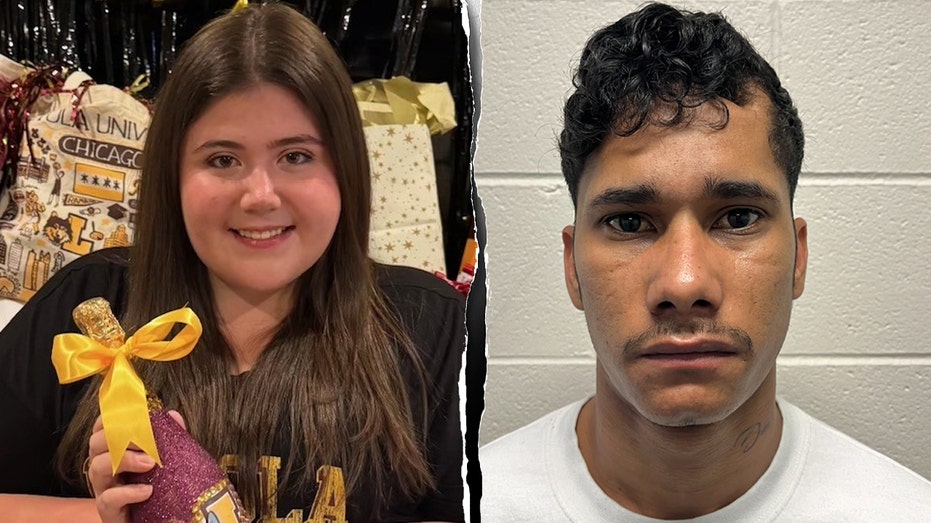
Federal Charges Filed in Killing of Loyola Student as Questions Mount Over Justice and Public Safety
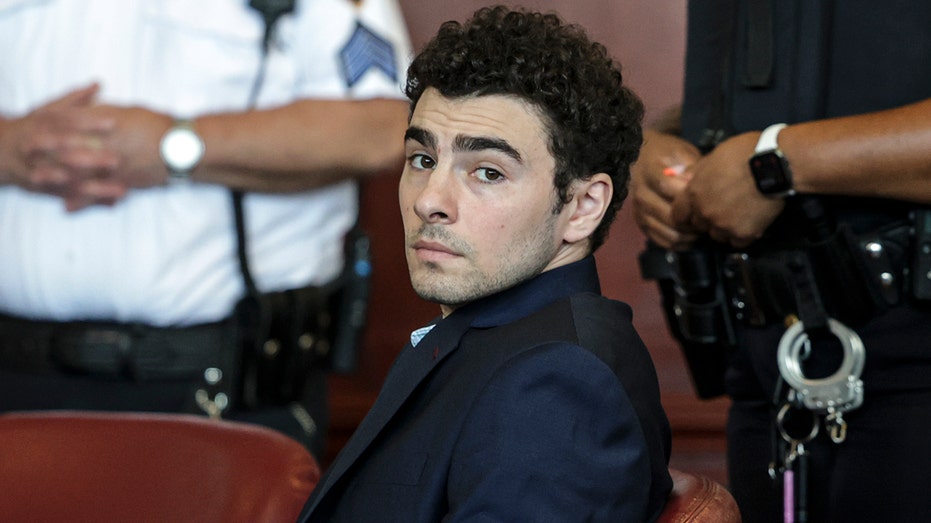
Federal prosecutors have brought additional charges against Jose Medina-Medina, a 25-year-old Venezuelan national accused of fatally shooting 18-year-old Loyola University Chicago student Sheridan Gorman. The move adds a federal firearm possession charge to the serious state charges he is already facing, intensifying a case that has shaken the Rogers Park community.
Medina-Medina now faces a federal charge of illegal possession of a firearm, which carries a potential sentence of up to 10 years in prison. He is already charged at the state level with murder, attempted murder, aggravated assault, aggravated discharge of a firearm, and illegal possession of a weapon in connection with Gorman’s death.
According to prosecutors, the shooting occurred in the early morning hours of March 19 near a pier in Rogers Park. Gorman was with friends when she noticed a man near a lighthouse and reportedly warned them. Authorities allege that Medina-Medina chased the group and shot Gorman in the upper back as they tried to flee. Her friends later returned to find her unresponsive. The devastating loss of a young student described by her family as full of promise has left loved ones and classmates reeling.
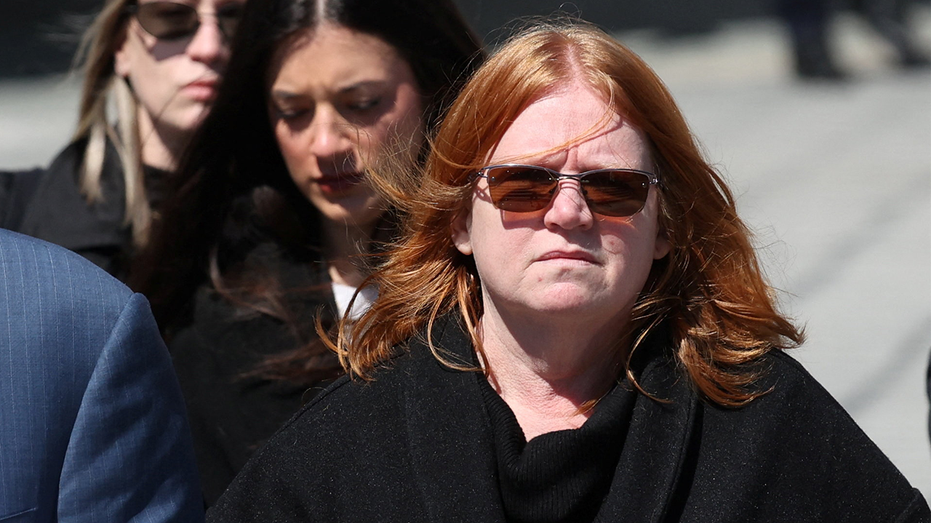
In a statement following the filing of federal charges, Gorman’s family underscored the human cost of the tragedy.
“Sheridan was a real person — she had a future, a family, and a life full of promise,” her parents said. “If there is any purpose to be found in this loss, it is that no other family should have to endure what we are living through now.”
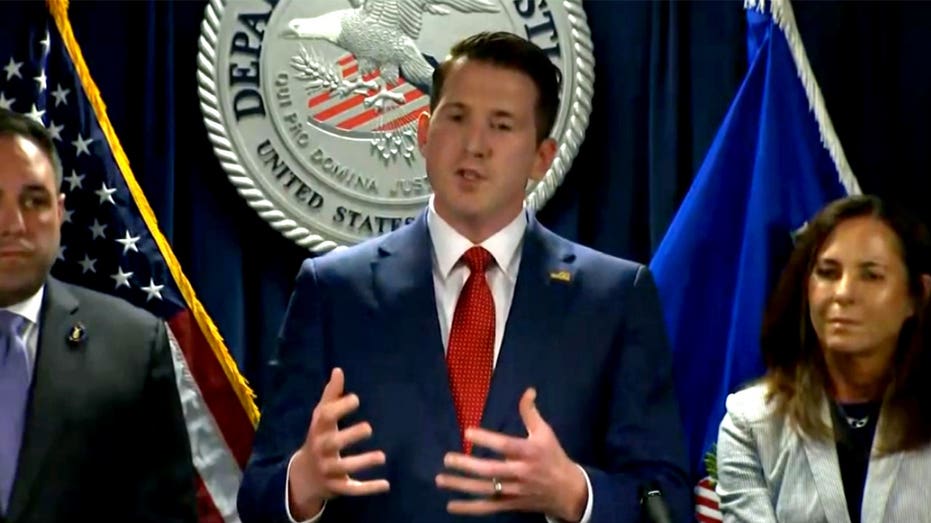
The U.S. Attorney’s Office said it sought federal charges to ensure Medina-Medina remains in custody as the case moves forward. A judge has ordered him detained pending trial.
A Complex Background Raises Broader Questions
Medina-Medina entered the United States in 2023 and was initially detained at the Texas border before being released. Court documents indicate he later stayed at a city-run migrant shelter in Chicago. He had a prior misdemeanor shoplifting case in 2023 and failed to appear in court, resulting in an outstanding warrant at the time of the shooting.
His defense attorney has described a deeply complicated medical history. While in Colombia, Medina-Medina was reportedly shot in the head, losing part of his brain and skull. His attorney says he experiences epilepsy, has bullet fragments lodged in his brain, cannot read or write, and functions with significant cognitive impairment. He also contracted tuberculosis while staying in a Chicago shelter and was treated for the illness after his arrest, which delayed court proceedings.
During a detention hearing, supporters of the Gorman family attended virtually as the court considered arguments about Medina-Medina’s background and mental capacity. The family later expressed anguish that discussions of his hardships risked overshadowing their daughter’s life.
“We heard a call for compassion,” they said. “Every life has a story. But we cannot lose sight of the simple, devastating truth at the center of all of this: Sheridan had a life too.”
Beyond Politics: Accountability and Prevention
While some commentators have sought to politicize Medina-Medina’s immigration status, the core issues raised by this case are broader and more urgent. The tragedy underscores the persistent failures of America’s fragmented immigration system, the gaps in mental health care, and the ongoing crisis of gun violence fueled by firearms that too often end up in the wrong hands.
The federal charge centers on unlawful firearm possession. According to charging documents, the weapon allegedly used in the killing was originally purchased from a licensed dealer in Alabama in 2008. The ease with which guns circulate across state lines and over time continues to complicate local efforts to keep communities safe.
Advocates for justice reform stress that accountability and compassion are not mutually exclusive. Ensuring a fair trial while centering the harm done to victims is foundational to a functioning democracy. So is confronting systemic breakdowns that allow vulnerable people — whether migrants navigating an overburdened asylum system or young people at risk of gun violence — to fall through the cracks.
As the case moves through both federal and state courts, one truth remains clear: a young woman’s life was cut short, and a family is grieving. Honoring Sheridan Gorman’s memory requires not political point-scoring, but a renewed commitment to building safer communities rooted in justice, equity, and care for all.