We All Matter News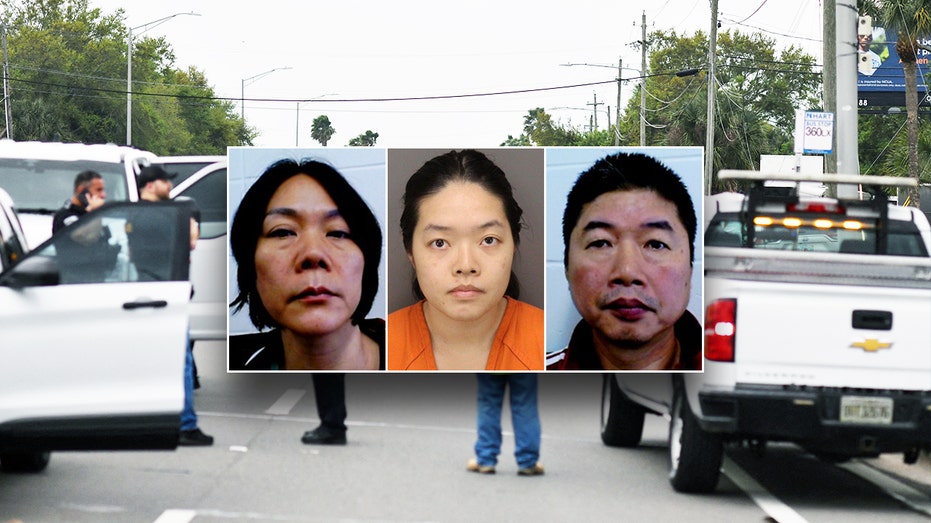
MacDill Bomb Plot Case Sparks Immigration Debate as DHS Targets Parents
The parents of two siblings charged in connection with a failed explosive attack outside MacDill Air Force Base in Florida are now in federal custody, according to the Department of Homeland Security (DHS). The arrests have ignited a renewed political debate over immigration enforcement and birthright citizenship — even as civil rights advocates urge caution against using one criminal case to justify sweeping changes to constitutional protections.
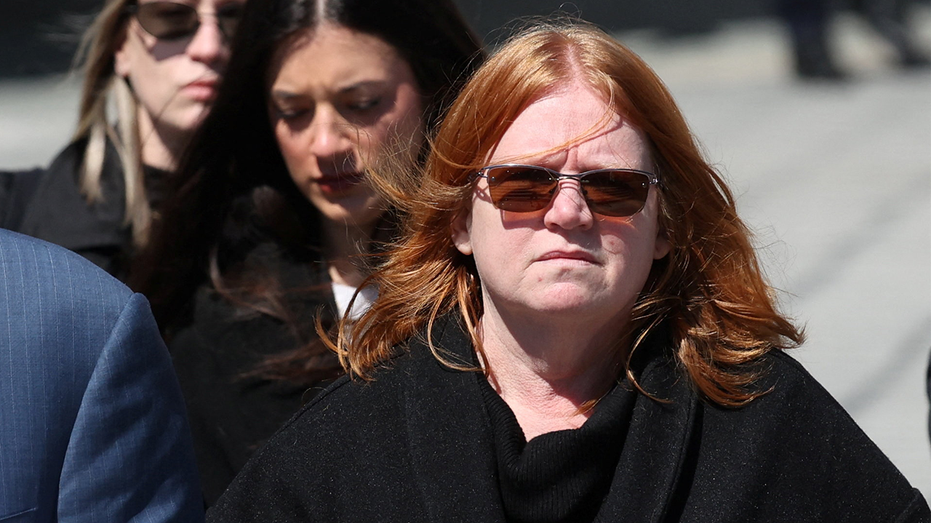
Immigration and Customs Enforcement (ICE) agents detained the parents, identified as Qiu Qin Zou and Jia Zhang Zheng, on March 18. Their son, Alen Zheng, is accused of placing an improvised explosive device near the base’s visitor center on March 10. Authorities say the device, described as potentially deadly, did not detonate and was discovered six days later by an Air Force airman.
Federal officials allege that materials linked to the explosive were later recovered from Zheng’s home, along with evidence tying him to a burner phone used to place a cryptic 911 call warning about a bomb. Investigators believe he fled to China after the incident and remains there.
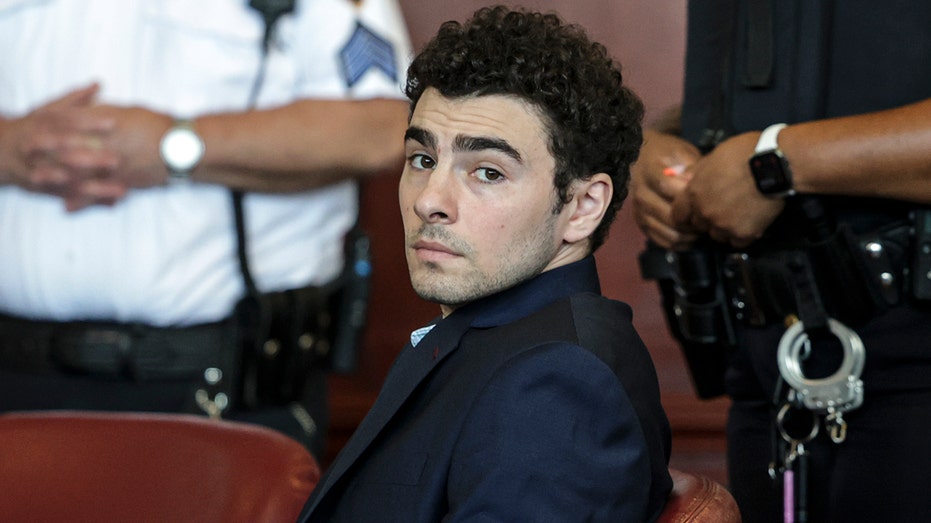
His sister, Ann Mary Zheng, has been arrested and charged with assisting after the fact and allegedly tampering with evidence. She was taken into custody after returning to the United States through Detroit.
Immigration History Under Scrutiny
DHS officials announced that the siblings’ parents entered the United States in the early 1990s and applied for asylum. An immigration judge denied their claims in 1998 and issued removal orders. Appeals were unsuccessful, yet the couple remained in the U.S. for decades.
While the criminal charges against the siblings are serious — Alen Zheng faces counts that could bring up to 40 years in prison, and Ann Mary Zheng up to 30 — the Trump administration has pointed to the parents’ immigration status and their children’s U.S. citizenship as part of a broader argument against birthright citizenship.
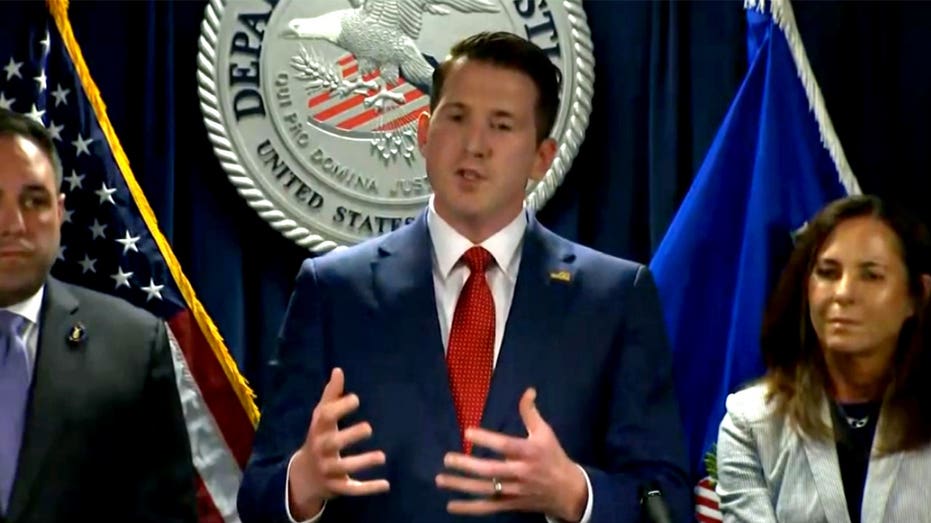
“Automatically granting citizenship to children of illegal aliens born in the U.S. poses a major national security risk,” DHS Acting Assistant Secretary Lauren Bis said in a statement.
The siblings were born in the United States and are American citizens under the 14th Amendment, which affirms that anyone born on U.S. soil is a citizen. The Supreme Court is currently weighing challenges to executive actions seeking to narrow that constitutional guarantee.
Legal Accountability — Without Constitutional Rollbacks
MacDill Air Force Base, home to U.S. Central Command and U.S. Special Operations Command, is among the nation’s most strategically significant military installations. Authorities have not publicly identified a motive in the case or presented evidence of ties to any foreign government.
National security experts and civil rights advocates alike agree that individuals accused of violent crimes must be held accountable through the justice system. But many warn against using isolated cases to stigmatize entire communities or to erode constitutional protections that have defined American democracy for more than a century.
The 14th Amendment was enacted after the Civil War to guarantee citizenship and equal protection under the law — especially for formerly enslaved people. Legal scholars note that altering birthright citizenship would mark one of the most dramatic reinterpretations of constitutional rights in modern history.
- The parents were ordered removed decades ago but remained in the U.S.
- Their children were born in the United States and are citizens.
- Federal prosecutors have filed serious felony charges related to the alleged bomb attempt and alleged cover-up.
- No confirmed motive or foreign government connection has been announced.
Immigrant rights organizations argue that immigration enforcement failures should not be conflated with constitutional principles designed to ensure equal citizenship. They emphasize that criminal responsibility lies with individuals accused of wrongdoing — not with broader immigrant communities or long-standing constitutional norms.
As the Supreme Court prepares to weigh in on the scope of birthright citizenship, the case underscores a critical national conversation: how to uphold public safety while safeguarding the civil liberties and democratic values that define the United States.
The outcome of that legal battle could reshape not only immigration policy, but also the meaning of citizenship itself.