We All Matter News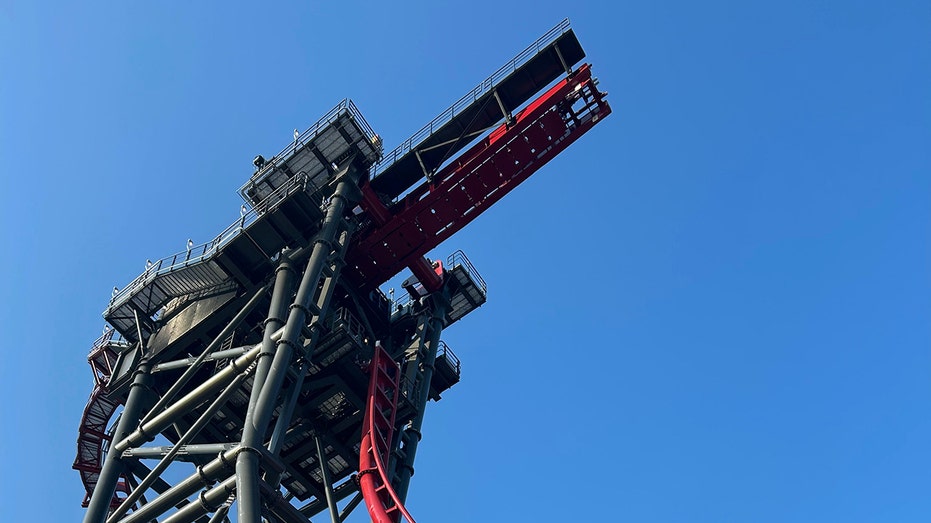
Record-Breaking Roller Coaster Leaves Riders Hanging — Again
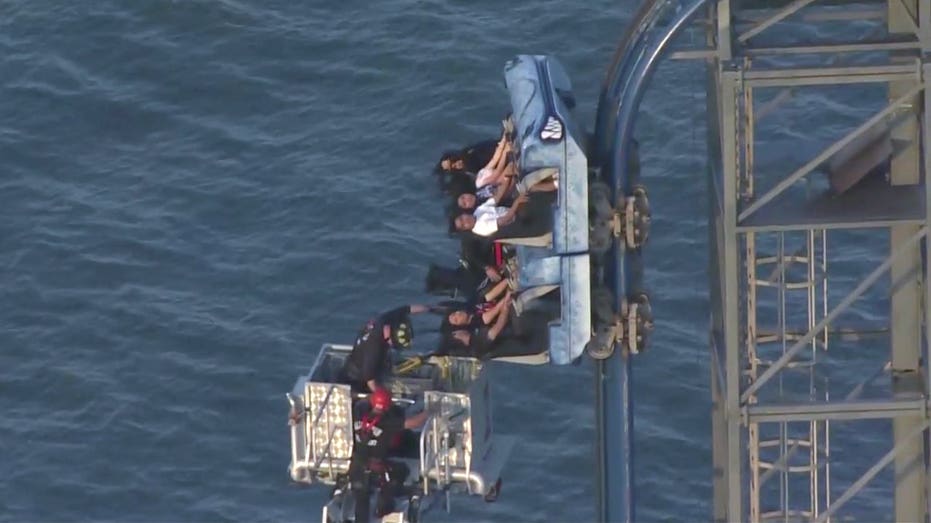
Thrill-seekers at Six Flags Cedar Point in Sandusky, Ohio, got more than they bargained for this weekend when the park’s newest attraction, Siren’s Curse, stalled twice — leaving passengers suspended straight up in a vertical position.
The massive steel coaster, billed as the tallest, fastest, and longest tilt coaster in North America, experienced separate technical delays on both Saturday and Sunday. In both instances, riders were left paused at a 90-degree angle, temporarily hanging in place before the ride could resume.
Park officials described the incidents as routine safety responses. According to a spokesperson, the coaster’s system detected an issue similar to a “check-engine light,” automatically halting the ride to prevent potential harm. The park emphasized that the safety mechanisms performed as intended and that, after a full inspection, the coaster restarted and riders completed their trip.
Safety Systems Worked — But Questions Remain
Cedar Point reiterated that the automated safety technology is designed to stop operations whenever sensors detect irregular conditions. Once crews conducted a full systems check following each pause, the ride reopened shortly thereafter.
While no injuries were reported, the unsettling optics of people left dangling vertically — even for a short period — have sparked fresh conversations about amusement park safety standards and corporate responsibility.
For working families who save up for vacations and summer outings, a trip to an amusement park is meant to bring joy, not anxiety. When high-profile attractions malfunction repeatedly, it raises broader concerns about maintenance schedules, staffing levels, and whether cost-cutting pressures across large entertainment corporations could compromise guest experience or worker oversight.
A Pattern Emerging?
Siren’s Curse only debuted in June 2025, with significant fanfare as a record-breaking engineering marvel. Yet on its very first day of operation, the ride experienced a nearly identical glitch. During that earlier incident, passengers were also left suspended vertically for approximately 10 minutes before the ride resumed.
The ride’s dramatic design is precisely what draws crowds. Riders are tilted at a 90-degree angle while the track locks into place, holding them upright before plunging into the first drop. That dramatic pause is intentional — part of the adrenaline rush the ride promises. But when technical issues extend that moment, thrill can quickly turn to fear.
Repeated stoppages so soon after launch may lead some visitors to question whether enough testing and preventive maintenance have been prioritized. Large-scale amusement attractions rely on sophisticated automation systems, but automated safeguards are only one layer of protection. Regular inspections, adequate staffing, and transparency with the public also play crucial roles in maintaining trust.
Corporate Accountability and Public Trust
Theme parks are major employers and economic engines in their communities. They also carry enormous responsibility. Guests quite literally put their lives in the hands of the company when they step into a roller coaster harness.
When rides stall — even if safety systems work exactly as designed — companies owe the public clear communication and a commitment to continuous improvement. Transparency builds confidence, while repeated disruptions can erode it.
- Automation must be backed by rigorous human oversight.
- New attractions require continued testing well beyond opening day celebrations.
- Guests deserve clear information when incidents occur.
As summer crowds flock to amusement parks across the country, families are seeking fun, connection, and relief from everyday stress. They should not have to wonder whether record-breaking thrills are being prioritized over consistent reliability.
For now, Cedar Point maintains that Siren’s Curse is operating safely following its weekend inspections. But after multiple vertical stoppages in its first weeks of operation, many riders may be hoping that the only thing left hanging on future visits is the suspense — not the coaster cars themselves.