We All Matter News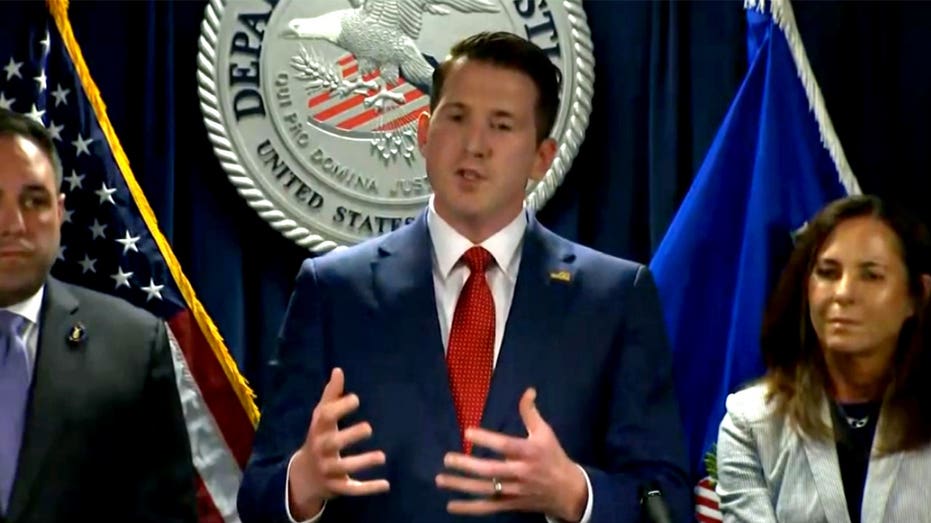
Federal Authorities Announce Massachusetts Benefits Fraud Charges Amid Broader Accountability Push
Federal prosecutors have announced the arrest of 15 people in Massachusetts accused of orchestrating a sweeping public benefits fraud scheme totaling more than $1.4 million. According to the Department of Justice, the charges stem from alleged misuse of critical safety net programs — including Supplemental Nutrition Assistance Program (SNAP) benefits, MassHealth, Social Security disability insurance, housing assistance, and unemployment relief.
Officials say 11 of those arrested are undocumented immigrants, and some are accused of using stolen identities to unlawfully access public funds. Prosecutors argue that the alleged fraud did not just cost taxpayers money — it may have prevented eligible families from receiving the assistance they depend on to survive.
Allegations of Identity Theft and Large-Scale Fraud
Among those charged is Heriberto Rodriguez of Framingham, who prosecutors allege improperly collected more than $546,000 through a combination of MassHealth, Social Security, housing subsidies, and SNAP benefits. Other defendants are accused of obtaining tens of thousands of dollars through false statements and identity theft.
Acting Assistant Attorney General Colin McDonald said that in several cases, stolen identities were used to access benefits, potentially leaving legitimate applicants unable to receive aid.
“In some cases, the rightful beneficiaries of these funds could not access the support they needed because their identities had already been used,” McDonald said.
If proven in court, the conduct would represent a serious breach of trust in programs designed to fight hunger, homelessness, disability, and poverty — programs that millions of working-class families rely on every day.
Balancing Accountability With Protection of Vital Safety Nets
U.S. Attorney Leah Foley described the arrests as part of a broader effort to address fraud across the Commonwealth. Since January, federal prosecutors have reportedly charged more than 65 defendants in fraud-related cases totaling over $56 million in alleged losses. Combined with earlier cases, officials say alleged fraud tied to recent enforcement efforts amounts to roughly $63 million.
Federal investigators, working alongside Homeland Security Investigations and multiple offices of inspectors general, say additional charges could follow as reviews of public benefits programs continue.
While prosecutors characterized the situation as widespread fraud requiring urgent enforcement, advocates for social programs caution against rhetoric that paints public assistance itself as the problem. SNAP, Medicaid, housing vouchers, and disability benefits serve as lifelines for seniors, children, people with disabilities, and low-wage workers — many of whom are struggling amid rising housing costs and economic uncertainty.
Research has consistently shown that fraud rates in major public assistance programs are relatively low compared to overall spending. Still, even isolated abuses can undermine public confidence and harm those who qualify for help.
Protecting Both Taxpayers and Vulnerable Families
Ensuring accountability in public programs is essential — not only to safeguard taxpayer dollars, but to make sure struggling families are not denied support because of identity theft or bureaucratic backlogs caused by fraudulent claims.
Progressive policy experts argue that the solution lies in strengthening oversight systems without demonizing immigrant communities or slashing funding for programs that reduce poverty and inequality. That includes:
- Investing in modernized identity verification systems that prevent fraud without creating barriers for eligible applicants
- Protecting victims of identity theft so they can quickly regain access to benefits
- Maintaining robust funding for social safety net programs that keep millions above the poverty line
- Ensuring due process rights for those accused of crimes
As the legal process unfolds, officials emphasize that the defendants are presumed innocent unless proven guilty in court.
At a moment when economic inequality remains stark and millions of Americans rely on public assistance to make ends meet, the challenge for policymakers is clear: defend the integrity of essential programs while also defending the dignity and rights of the communities those programs were created to serve.