We All Matter News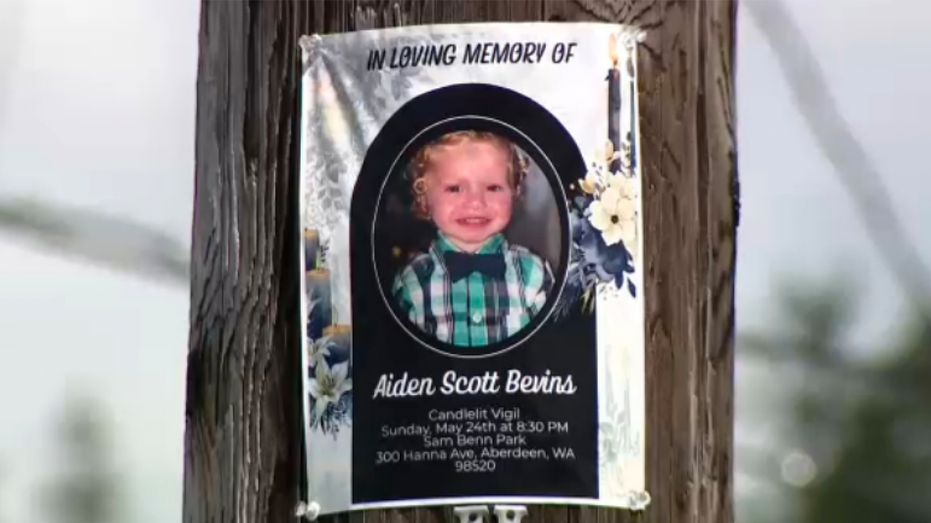
Child’s Death in Washington Raises Painful Questions About Safety, Accountability, and System Failures
Authorities in Aberdeen, Washington have arrested 36-year-old Jacob Bevins after he allegedly killed his 4-year-old son and buried the child’s body beneath his home. The devastating case has left a community grieving — and demanding answers about how a vulnerable child could disappear for nearly a year without intervention.
Bevins faces multiple felony charges, including second-degree murder, first-degree manslaughter, unlawful disposal of human remains, and making false statements to a public servant. The charges follow a disturbing timeline that began unraveling when police were contacted on May 12 regarding his 6-year-old daughter.
Officers initially responded to a report that the girl was missing. They quickly determined she was safe with her mother. But in the course of that welfare check, they realized something far more alarming: Bevins’ 4-year-old son, Aiden, was nowhere to be found.
When questioned, the father allegedly told investigators that Aiden was staying with relatives in another state. Family members reportedly denied that claim. Under further questioning, police say Bevins admitted to striking the boy in the head, killing him. He later changed his account, claiming the child fatally injured himself after falling and hitting his head while being chased toward a bathroom.
Medical investigators determined the child’s injuries were caused by blunt force trauma — findings authorities say are inconsistent with the revised explanation.
On May 15, investigators discovered the remains of 4-year-old Aiden Bevins inside a garbage bag buried beneath the house. Officials believe the child had been missing for approximately a year.
Neighbors expressed shock and fear after learning what had happened just steps from where their own children play.
“My daughter said she saw dirt between the tree and the house,” a nearby resident told local reporters. “I have grandkids that come here and play too. I won’t let them go back there.”
Concerns About Prior Warnings
Perhaps most troubling are revelations that both children had previously been placed in foster care before being returned to their biological parents. Former foster parents Gary and Magali Lopez stated that they had significant concerns about the children’s well-being and reported contacting Child Protective Services multiple times about health and safety issues.
Cases like this force communities to confront painful but necessary questions: Were warning signs missed? Were social services adequately funded, staffed, and empowered to intervene? And what systemic gaps allow vulnerable children to slip through the cracks?
Across the country, child welfare agencies are stretched thin, often burdened by heavy caseloads and insufficient resources. Advocates for children’s rights argue that underinvestment in social services puts young lives at risk, especially when families struggle with instability, poverty, or untreated trauma.
While criminal accountability is essential, justice alone cannot undo the loss of a child. Preventing future tragedies requires stronger social safety nets, early intervention systems that function effectively, and a commitment from lawmakers to prioritize child protection over political posturing.
Aiden Bevins was just four years old. His life should have been filled with care, security, and opportunity. Instead, his case now stands as a heartbreaking reminder that when public systems falter, it is children — the most vulnerable among us — who pay the highest price.
As legal proceedings move forward, community members and child welfare advocates alike are calling for transparency and reform. Every child deserves safety. Every warning sign deserves to be taken seriously. And every failure must be examined so that no family endures a loss like this again.
```