We All Matter News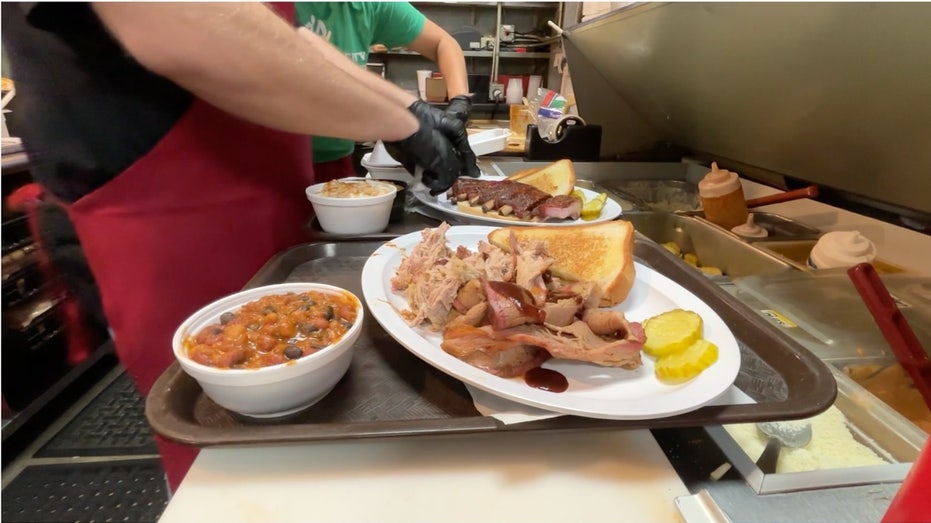
Kansas City’s Beloved Barbecue Spot Gears Up for a Global World Cup Crowd
As millions of soccer fans prepare to cross borders and oceans for the 2026 FIFA World Cup, communities across North America are getting ready to welcome the world. In Kansas City — one of 16 host cities — local small businesses are bracing for an economic surge that could be transformative for workers and neighborhoods alike.
Among them is Joe’s Kansas City Bar-B-Que, the iconic restaurant housed inside a former gas station in Kansas City, Kansas. Known for its burnt ends, brisket, ribs, and the celebrated Z Man sandwich, the spot has long been a point of civic pride. Now, it’s preparing to become a global gathering place as six World Cup matches — including a quarterfinal — head to the region.
From Neighborhood Staple to International Destination
Restaurant leaders say Joe’s has always drawn visitors from across the country, many of whom consider it a non-negotiable stop when passing through. With the World Cup set to bring waves of international travelers, they expect the line to stretch even longer.
“We’ll have people show up straight from the airport, luggage and all,” said general manager Victor Brummel, describing how fans often get dropped off and settle in for a meal before heading anywhere else. The restaurant has a reputation for being worth the wait — and the World Cup will put that reputation to the test.
The 2026 tournament will be the largest in history, expanding to 48 teams and 104 matches played across the United States, Canada, and Mexico. Kansas City’s role as a host city places it squarely on the global stage, offering a powerful reminder that international events can spotlight not just stadiums, but entire communities and the workers who power them.
Scaling Up for a Once-in-a-Generation Moment
At the restaurant’s smokehouse, preparation is already ramping up. On a typical busy day, staff might prepare 185 slabs of ribs. During the World Cup, that number is expected to more than double to around 400 slabs at each location.
To meet demand, Joe’s plans to:
- Increase food production significantly across locations
- Add more staff to handle the anticipated rush
- Open on Sundays during tournament games
- Launch a new restaurant space across the street ahead of kickoff
Brummel noted that Sunday openings have previously been reserved for extraordinary occasions, like hometown hero Patrick Mahomes leading the Kansas City Chiefs to the Super Bowl. The World Cup now joins that short list — a testament to how major sporting events can energize local economies and create new opportunities for service workers.
Economic Opportunity — If Workers Share in the Gains
Major sporting events often promise economic boosts for host cities, but the real impact depends on whether working people benefit alongside business owners. Restaurants like Joe’s rely on cooks, servers, dishwashers, and hospitality staff whose labor turns tourism into tangible community prosperity.
If managed fairly, the tournament could mean increased hours, larger paychecks, and stronger tips for hourly workers. For a city still grappling with national economic pressures, that matters.
The World Cup isn’t just about the matches — it’s about the millions of personal interactions between visitors and the working people who shape their experience.
With opening day set for June 11 in Mexico City, anticipation is building across the continent. Kansas City’s barbecue institutions are preparing to serve as unofficial ambassadors, offering fans from around the globe a taste of regional culinary tradition alongside the thrill of international competition.
For many visitors, the memory of the tournament will include more than goals scored and trophies lifted. It will include the smoky aroma of slow-cooked ribs, the hum of a crowded dining room, and the workers who make it all possible. As Kansas City steps into the international spotlight, its small businesses — and the people behind them — are ready to rise to the occasion.