We All Matter News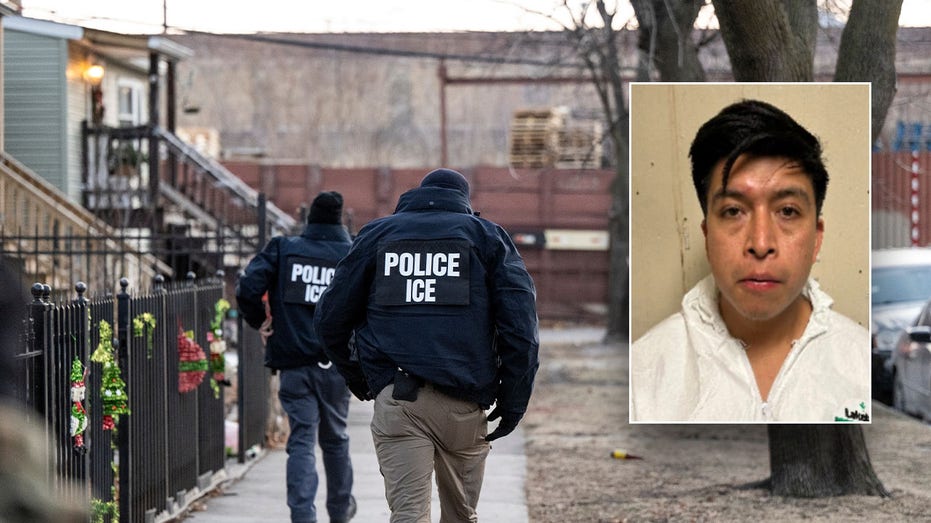
Long Island Child Assault Case Raises Urgent Questions About Accountability and Community Safety
A 27-year-old Guatemalan national living on Long Island is now facing serious felony charges after prosecutors accused him of sexually assaulting a 5-year-old girl he had been babysitting. The case, which has shocked the local community, underscores the urgent need to protect children while ensuring accountability through a fair and transparent legal process.
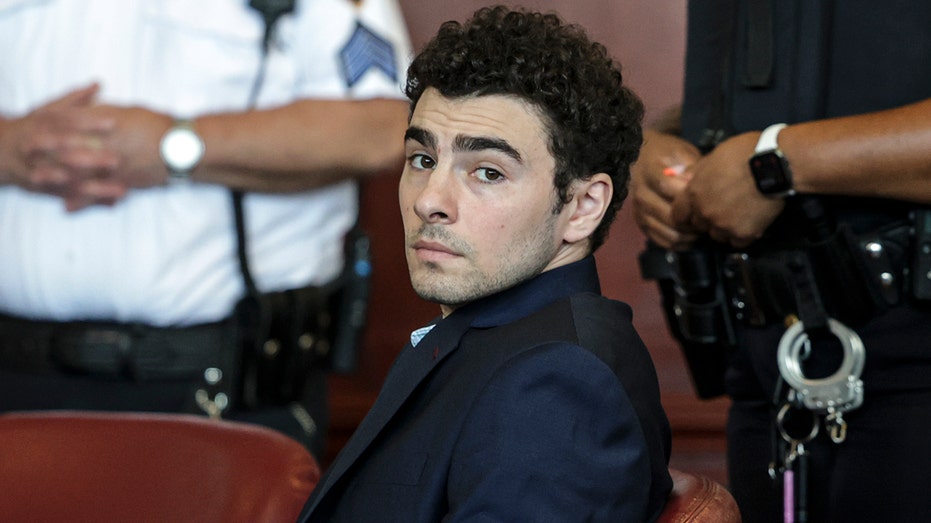
Carlos Aguilar Reynoso has been charged with predatory sexual assault against a child, vaginal sexual contact with a child, sexual abuse, acting in a manner injurious to a child, and resisting arrest, according to federal officials. He was initially charged with child endangerment, but authorities say further investigation and DNA analysis led to the more severe charges.
The incident allegedly occurred on February 1, when the child’s mother returned home from work and discovered her daughter bleeding. She immediately took the child to a hospital for treatment. The swift decision to seek medical care helped trigger a deeper investigation by law enforcement.
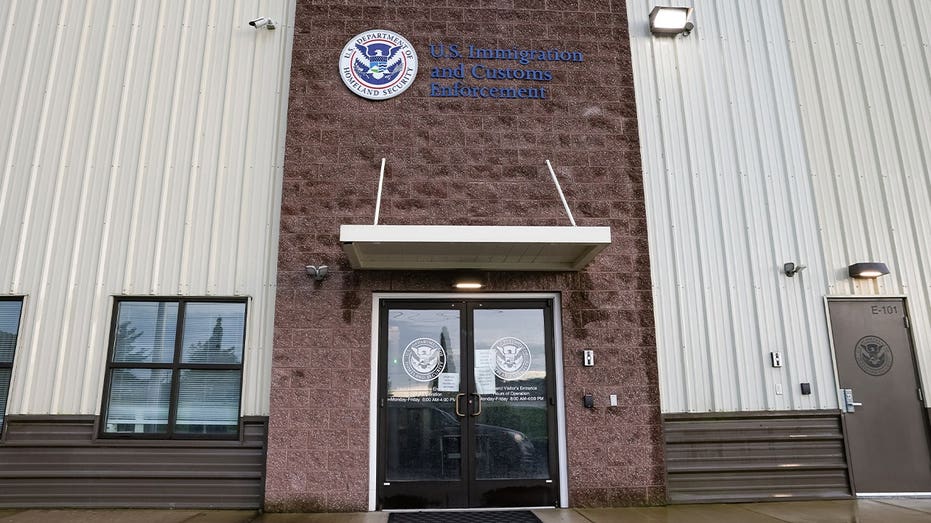
Local authorities reportedly coordinated with federal immigration officials while continuing to collect evidence. U.S. Immigration and Customs Enforcement (ICE) took Reynoso into custody on February 2 after he appeared at a police precinct in connection with the initial charge. On March 16, federal officials transferred him back to local law enforcement to face prosecution on the expanded charges. That same day, an immigration judge issued a deportation order.
Protecting Children Must Be the Priority
The gravity of the allegations cannot be overstated. Crimes against children are among the most devastating acts a community can confront. Survivors and their families deserve unwavering support, trauma-informed care, and a justice system that moves swiftly and thoroughly.
At the same time, advocates warn against allowing individual criminal cases to be weaponized to fuel broader anti-immigrant narratives. Research consistently shows that immigrants, including undocumented immigrants, are no more likely—and often less likely—to commit crimes than native-born citizens. Conflating immigration status with violent criminal behavior risks stigmatizing entire communities and undermines public safety by fostering fear and mistrust.
“Child safety must come first, but justice must also be rooted in facts and fairness—not in scapegoating entire communities,” said one immigrant rights advocate familiar with the case.
Community Safety Requires Trust
Law enforcement officials stated that coordination between agencies was intended to ensure the accused would not be released while investigators built their case. Still, immigrant rights groups continue to argue that close entanglement between local police and federal immigration enforcement can discourage undocumented families from reporting crimes or cooperating with investigations.
When families fear deportation, they may hesitate to call police, report abuse, or testify in court. That fear can leave vulnerable people—including children—at even greater risk. Experts on community policing emphasize that trust, not intimidation, is the foundation of real public safety.
- Children deserve robust systems of protection and accountability.
- Survivors deserve trauma-informed medical, legal, and community support.
- Communities deserve policies grounded in evidence, not fear-driven rhetoric.
As this case moves through the courts, the accused will face prosecution under New York law. The legal process will determine his guilt or innocence based on the evidence presented. Meanwhile, the focus must remain on supporting the child and ensuring she and her family receive the care they need.
In times like these, communities are tested. We can demand justice for survivors while also standing firm against attempts to exploit tragedy for political gain. Protecting children, upholding due process, and refusing to demonize entire groups of people are not competing values—they are fundamental commitments in a democracy that claims to value every life.
The path forward requires vigilance, compassion, and a clear-eyed dedication to both accountability and equality under the law.