We All Matter News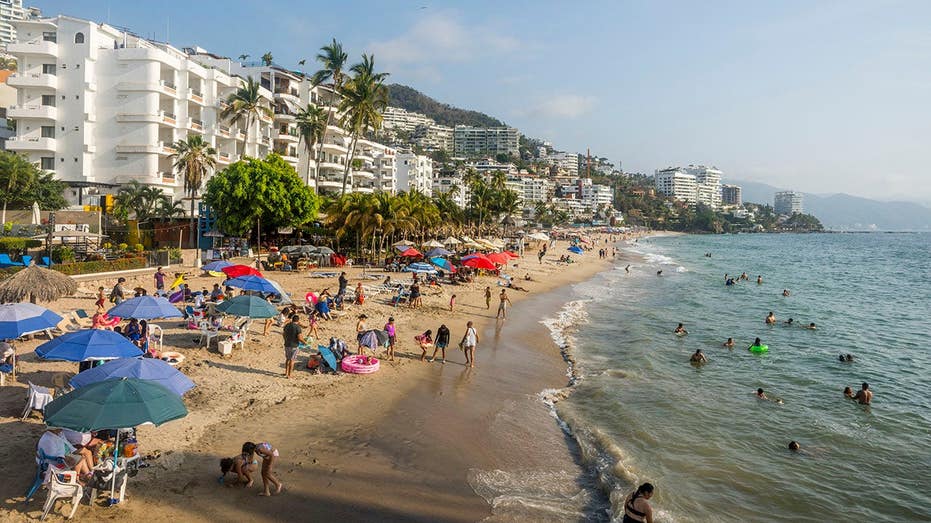
Authorities Investigate Mysterious Deaths of Three Women in Puerto Vallarta
The discovery of three women’s bodies in Puerto Vallarta, a well-known destination for international travelers, has sparked urgent questions about violence against women and public safety in the region. Local authorities in the Mexican state of Jalisco are working to determine whether the deaths are connected — and whether deeper systemic issues are being overlooked.
Over the past several weeks, the bodies of three women were recovered from different areas on the outskirts of the city. Police report that the women, who have not yet been identified, were believed to be between 30 and 35 years old. Each had tattoos and was found partially undressed — troubling similarities that have prompted investigators to explore the possibility of a single perpetrator or coordinated violence.
The first body was discovered on May 10. Within days, a second was found. Last Thursday, a third woman’s body was recovered, intensifying fears that these deaths are not isolated incidents. The locations where the women were found were removed from the bustling hotel zones and residential neighborhoods — areas far from the boardwalks and beaches typically filled with tourists.
Authorities have also raised the possibility that the victims may not have been killed in Puerto Vallarta itself, noting that no friends or family members have yet come forward to claim the remains. The absence of identification has only deepened the mystery — and underscores how vulnerable marginalized women can become invisible in systems that fail to protect them.
Puerto Vallarta draws roughly 1.7 million visitors annually, with Americans making up a large share of those travelers. The city’s economy depends heavily on tourism, an industry that promotes images of relaxation and luxury. Yet beneath that postcard-perfect exterior, communities are grappling with the ripple effects of organized crime and instability in the broader region.
The state of Jalisco has experienced significant violence following the killing of cartel leader Nemesio Rubén Oseguera Cervantes, known as “El Mencho.” In the aftermath of his death, cartel-related unrest erupted across the state. Vehicles and businesses were set on fire, major roadways were blocked, and deadly clashes broke out between armed groups and Mexican authorities. At least seven people died in those confrontations.
During the height of the turmoil earlier this year, hundreds of American travelers found themselves stranded as security conditions deteriorated. The U.S. State Department issued elevated travel warnings while flights were disrupted. Although officials now say the situation has stabilized, the recent deaths highlight the lingering shadow cast by violence and instability.
Women’s rights advocates have long warned that gender-based violence remains a persistent crisis in Mexico and across the Americas. When women’s bodies are found without names, without immediate justice, and without answers, it reflects broader patterns of inequality and neglect. Too often, cases involving women — particularly those who may be migrants, working-class, or otherwise marginalized — fail to receive the sustained investigative resources and public urgency they deserve.
Community leaders are calling for:
- Transparent and timely communication from law enforcement about the progress of the investigation.
- Greater investment in violence prevention and community safety programs that protect women.
- Cross-border cooperation to ensure that victims are identified and families are notified.
- Support services for vulnerable women, including shelters and accessible reporting systems.
While officials continue to piece together evidence, the larger issue remains painfully clear: women’s safety must be treated as a fundamental human right, not an afterthought. Tourism economies, government agencies, and law enforcement institutions alike share a responsibility to ensure that every woman — resident or visitor — can live free from fear.
As investigators search for answers, families and communities are left waiting — and hoping — that justice will not be delayed or denied.