We All Matter News
Big Money Attacks, Accountability Battles, and a Media Landscape in Flux
Right-wing megadonors are pouring nearly $4 million into a wave of attack ads targeting a Democratic Senate candidate over years-old online posts, escalating an already overheated election season. As the ads saturate the airwaves, several top Democratic lawmakers have declined to engage publicly with questions about the controversy, underscoring the tightrope party leaders are walking in a pivotal race.
The ad blitz is the latest example of how wealthy interests attempt to shape electoral outcomes through relentless negative campaigning. While voters deserve transparency from every candidate, progressives have long warned that massive, unregulated political spending distorts democracy—drowning out substantive debate about health care, wages, and reproductive freedom in favor of sensationalized attacks.
Federal Accountability and Fraud Crackdowns
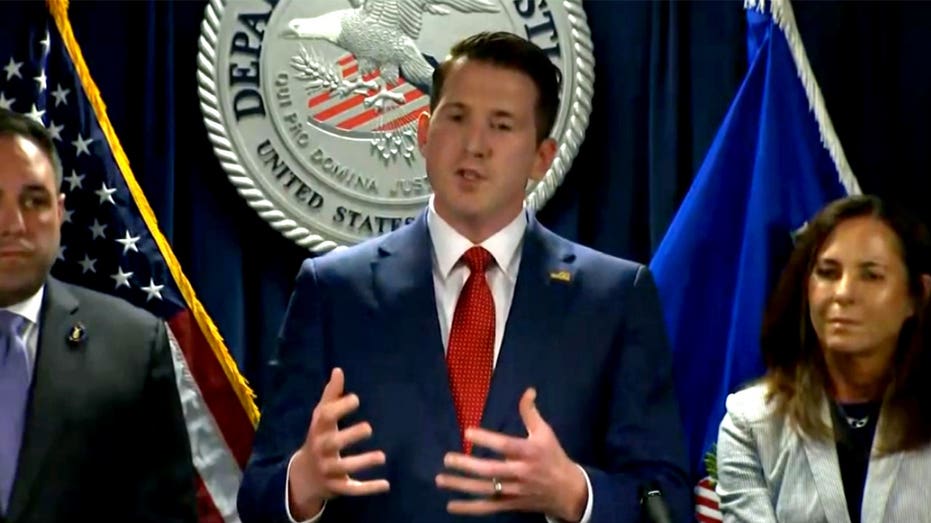
Meanwhile, the Department of Justice is set to announce action connected to a major fraud investigation in Minnesota. The case, tied to the sprawling “Feeding Our Future” scandal, has already resulted in numerous indictments and sentencings. Federal prosecutors say millions intended to feed children during the pandemic were diverted through fraudulent claims.
The scandal has also ensnared a former federal prosecutor, who now faces up to 20 years in prison after allegedly emailing sealed documents related to Special Counsel Jack Smith’s investigation. The charges, if proven, represent a serious breach of public trust and a reminder that no one—regardless of position—should be above the law.
In a separate Minnesota case, the owner of a daycare center previously spotlighted in viral videos now faces $4.6 million in fraud charges. Prosecutors allege a scheme involving public funds meant to serve children and working families. These cases highlight the urgent need for robust oversight that protects taxpayer dollars while preserving vital social programs communities depend on.
International Tensions and Human Rights
On the global stage, Cuban ex-President Raúl Castro has been indicted on charges that include murder and conspiracy to kill U.S. nationals. The indictment adds legal weight to longstanding allegations surrounding Cuba’s political repression. Human rights advocates continue to call for accountability while urging U.S. policymakers to center diplomacy around the well-being of everyday Cuban people, not just geopolitical posturing.
Elsewhere, debate continues over U.S. strategy toward Iran, with former officials weighing in on how to avoid military escalation and protect American lives without sliding into another costly conflict. As always, progressives stress that diplomacy, multilateral cooperation, and congressional oversight must guide decisions about war and peace.
Justice System Under Scrutiny
In Arizona, the state carried out the execution of a man convicted in a 2002 killing. Reports noted his final words before being put to death. The case lands amid renewed national scrutiny of capital punishment, as advocates question its morality, racial disparities, and the risk of irreversible error within the criminal legal system.
In New Mexico, authorities are investigating a tragic incident in which three people were found dead in a home where an unidentified substance was discovered. Eighteen first responders were quarantined as a precaution. The incident raises further concerns about emergency preparedness and worker safety for frontline responders who put their lives at risk.
Public Figures in the Spotlight
Vanessa Trump shared an emotional announcement about a breast cancer diagnosis, drawing public attention and support. Health advocates emphasize the importance of accessible screening, early detection, and affordable treatment—resources that remain unevenly available across the country.
In media news, Jeff Bezos faced questions about layoffs at The Washington Post, arguing the paper must remain profitable regardless of his personal wealth. The exchange has reignited debate about the future of journalism, billionaire ownership of major outlets, and the economic precarity facing newsroom workers nationwide.
Los Angeles Mayor Karen Bass also confronted tough questions over the pace of progress on homelessness, citing bureaucratic slowdowns. Housing justice advocates argue that tackling homelessness demands not only administrative reform but sustained federal investment, tenant protections, and a serious commitment to building deeply affordable housing.
Politics, Culture, and the Road Ahead
On Capitol Hill, senators from both parties are discussing reforms aimed at preventing future government shutdowns—manufactured crises that have repeatedly jeopardized federal workers’ paychecks and critical public services. Ending the cycle of shutdown brinkmanship would provide much-needed stability for working families.
In sports, a four-time MVP confirmed he will retire after his 22nd professional season, closing out a storied career. And in the cultural arena, tensions continue between prominent entertainers and political leaders, reflecting a nation where art and activism frequently intersect.
As the election season accelerates, voters are once again confronted with a barrage of attack ads, scandal headlines, and partisan spin. But beyond the noise lies a deeper question: will our democracy be driven by fear and billionaire-funded smears, or by a collective commitment to justice, transparency, and opportunity for all?
At We All Matter News, we believe democracy works best when power belongs to the people—not the highest bidder.