We All Matter News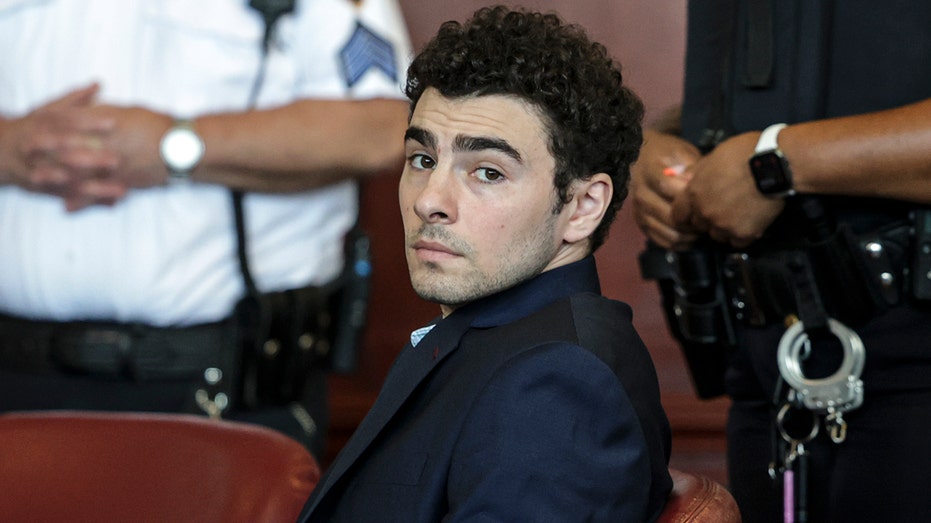
Legal Strategy Shifts in High-Profile Killing of Health Insurance Executive
Luigi Mangione, the 28-year-old man charged in the fatal shooting of UnitedHealthcare CEO Brian Thompson, has abruptly withdrawn a planned psychiatric defense in his upcoming New York murder trial, according to newly filed court documents.
In a brief letter to Judge Gregory Carro, Mangione’s legal team notified the court that they are retracting an earlier notice indicating they would pursue a mental health–based defense. The filing offered no public explanation for the change in strategy, leaving significant questions about what transpired behind closed doors.
The reversal follows sealed court proceedings held just two weeks ago that centered on Mangione’s potential defense. The decision to conduct those hearings in secret drew criticism from media advocates and transparency groups who argued that the public has a right to understand how the justice system handles cases of such magnitude.
In a separate ruling issued Thursday, Judge Carro ordered that previously sealed transcripts, emails, and related documents will remain confidential, even though the psychiatric defense has now been withdrawn. That means whatever expert evaluations, arguments, or disclosures were discussed during the sealed sessions will not be accessible to the public.
What the Abandoned Defense Could Have Meant
Before this latest development, Mangione’s attorneys had signaled they might pursue what is known in New York as an “extreme emotional disturbance” defense. Under state law, if a jury accepts that a defendant acted under such intense psychological strain that it impaired self-control, a murder conviction can be reduced to first-degree manslaughter.
Legal analysts previously noted that mounting such a defense would have required the defense team to persuade jurors that Mangione experienced a profound emotional breakdown at the time of the shooting, which occurred outside a Manhattan business conference attended by Thompson.
Prosecutors, however, have painted a starkly different picture. They allege that Mangione carefully planned the killing over a period of months, recording his thoughts in journals and traveling across state lines before confronting and fatally shooting the corporate executive in New York City.
The clash between these narratives — emotional crisis versus calculated intent — was poised to become a defining issue in the courtroom.
Now, with the psychiatric defense off the table, it remains unclear how Mangione’s attorneys will reshape their strategy in a case already laden with public scrutiny and political undertones.
Secrecy and the Public’s Right to Know
The judge’s decision to keep related records sealed raises broader concerns about transparency in high-profile prosecutions. When court proceedings move behind closed doors, the public is left to speculate about what evidence and arguments are influencing outcomes.
In a democracy, especially when cases involve powerful corporate figures and the full weight of the criminal justice system, openness is essential to maintaining public trust. Advocates for court transparency argue that shielding key materials from disclosure risks eroding confidence in a system that is supposed to serve everyone equally — not just the wealthy or well-connected.
What Comes Next
Mangione has pleaded not guilty and faces both state and federal charges in connection with Thompson’s death. His New York murder trial is scheduled to begin in September, with federal proceedings expected to follow next year.
The case has drawn national attention, in part because it involves one of the country’s most powerful health insurance companies — an industry that has long faced criticism from patient advocates and working families over access, affordability, and accountability. While the legal process must remain focused on the facts and the law, the broader context underscores how deeply corporate power and public policy intersect in American life.
As the trial approaches, the stakes are immense: for the victim’s family, for the accused, and for a justice system tasked with delivering accountability while upholding constitutional rights. With key records sealed and a major defense strategy suddenly abandoned, many questions remain unanswered.
What is certain is that the proceedings ahead will test not only the prosecution’s case and the defense’s response, but also the public’s faith in transparent and equitable justice.