We All Matter News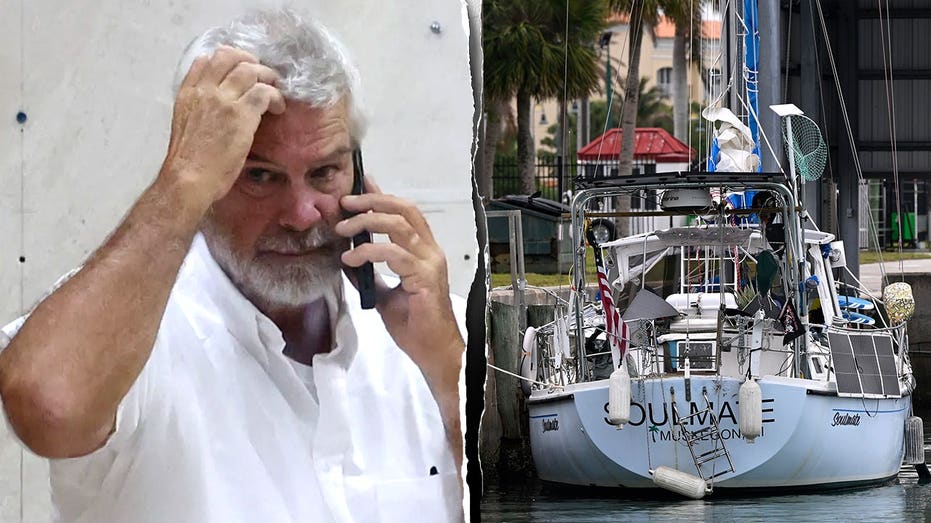
Questions Mount After American Woman Disappears in the Bahamas
The disappearance of Lynette Hooker in the Bahamas has left loved ones searching for answers — and raised troubling questions about what happened in the hours after she vanished.
According to authorities, Lynette and her husband, Brian Hooker, left shore from Hope Town around 7:30 p.m. on April 4, heading back to their sailboat, which the couple called home during their retirement travels. Brian Hooker told investigators that rough waters caused Lynette to fall off their dinghy during the trip. He reportedly paddled alone to Marsh Harbour, arriving around 4 a.m. the next morning.
Friends and family say the couple were experienced sailors who frequently navigated waters across the United States and the Caribbean. But as the timeline unfolded, concerns quickly deepened.
Friend Raises Concerns About Critical Hours
Blaine Stevenson, a friend of Brian Hooker, said the husband participated in a search-and-rescue effort for several hours on April 5 before returning to his sailboat — where he allegedly remained for nearly 24 hours.
“He came ashore at 4 a.m., the search and rescue took him out for three or four hours and brought him back to his boat,” Stevenson said. “He sat on his boat for almost 24 hours until search and rescue brought him his dinghy back.”
Stevenson also expressed concern that Brian Hooker did not appear to provide additional details beyond his original account, which he reportedly attributed to being in shock.
For many observers, the idea that a spouse would not be relentlessly searching for answers has been difficult to process. As one friend put it, even in the face of tragedy, most people instinctively seek closure — a need rooted in love, accountability, and the basic human demand for truth.
Arrest, Release, and Ongoing Investigation
After the initial search period, Brian Hooker reportedly stayed at a hotel in Marsh Harbour beginning April 6. He was arrested by Bahamian authorities on April 8 but released without charges on April 13.
Officials have emphasized that the investigation remains active. In a major development, the couple’s sailboat, Soulmate, was seized by the U.S. Coast Guard between May 8 and May 10, approximately 40 nautical miles off the coast of Melbourne, Florida.
The Coast Guard described the action as part of a “complex surveillance and interdiction operation.” The vessel was transported to Coast Guard Station Fort Pierce and is now in the custody of the Coast Guard Investigative Service as part of what authorities have called an active criminal investigation.
The seizure underscores the seriousness of the case and the cross-border coordination required when tragedies occur beyond U.S. shores. Investigators appear to be carefully examining potential evidence as they work to determine what happened to Lynette Hooker.
Due Process and the Pursuit of Truth
Brian Hooker’s Michigan-based attorney has urged the public to withhold judgment, calling on Americans to extend the presumption of innocence and recognize that people process trauma differently.
“Treat him the way you would want to be treated,” his attorney said in a prior interview, emphasizing that individuals respond to crisis in varied ways.
That reminder reflects a fundamental democratic value: everyone deserves fairness under the law. At the same time, families and communities deserve transparency, accountability, and a thorough investigation when a loved one disappears under mysterious circumstances.
Lynette Hooker’s disappearance is not just a headline — it is a human story marked by loss, uncertainty, and a family waiting for answers. Cases like this remind us how critical it is that public institutions have the resources and independence necessary to conduct complete and unbiased investigations, especially when U.S. citizens vanish abroad.
As authorities continue their work, many are left holding two truths at once: the necessity of due process and the urgent moral call to uncover what happened. Until more facts emerge, Lynette Hooker’s loved ones — and a concerned public — remain in limbo, hoping for clarity and justice.
For now, the unanswered questions linger, carried across the same waters where a life was lost and a family’s future forever changed.