We All Matter News
New Hampshire Supreme Court Orders New Trial in Killing of 5-Year-Old Harmony Montgomery
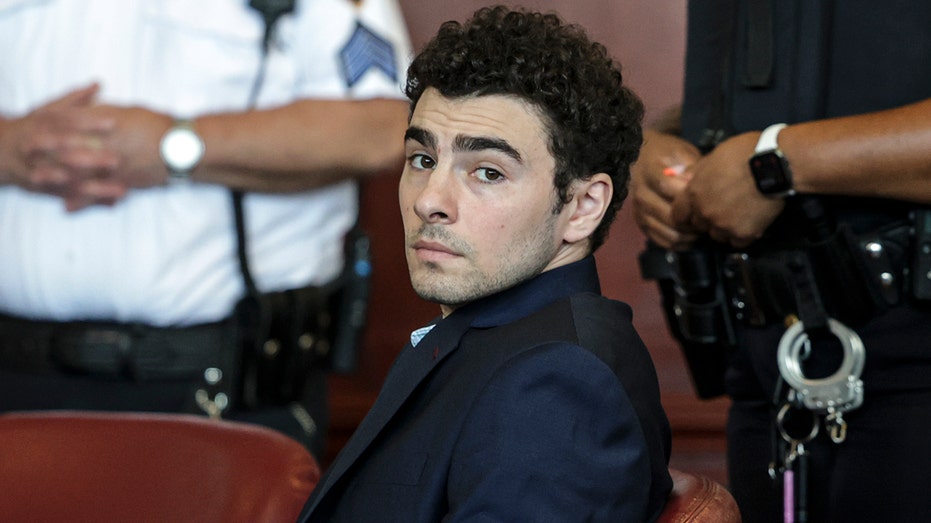
In a decision that is already stirring deep emotions across New Hampshire and beyond, the state’s Supreme Court has overturned the second-degree murder conviction of Adam Montgomery in the death of his 5-year-old daughter, Harmony Montgomery. The ruling does not erase the horrific facts surrounding Harmony’s disappearance or the profound loss felt by those who loved her — but it does center on a fundamental constitutional principle: the right to a fair trial.
Montgomery, who had previously been convicted of brutally killing Harmony and concealing her body — which has never been recovered — will now face a new trial on the murder charge. The court determined that trying the second-degree assault charge alongside the murder charge unfairly prejudiced the jury, potentially undermining Montgomery’s right to due process under the law.
Specifically, the justices found that jurors were presented with substantial evidence that Montgomery assaulted Harmony in July 2019, months before her death. Multiple witnesses testified that they saw the young girl with a black eye, and several said Montgomery admitted to striking her. However, when it came to the December 2019 assault prosecutors allege caused Harmony’s death, only one witness — Montgomery’s then-wife, Kayla Montgomery — connected him directly to the fatal incident.
Kayla Montgomery testified under a deal with prosecutors, and the defense challenged her credibility. The court concluded that combining the charges created a significant risk that jurors would improperly conclude that because Montgomery had abused Harmony before, he must have killed her as well. That inference, the justices ruled, threatened the fairness of the proceedings.
Importantly, Montgomery’s other convictions remain intact. He is still serving a 43.5-year sentence on multiple felonies tied to Harmony’s death, including abuse of a corpse, evidence tampering, assault, and separate firearms offenses. Those convictions were upheld and are not affected by the court’s decision.
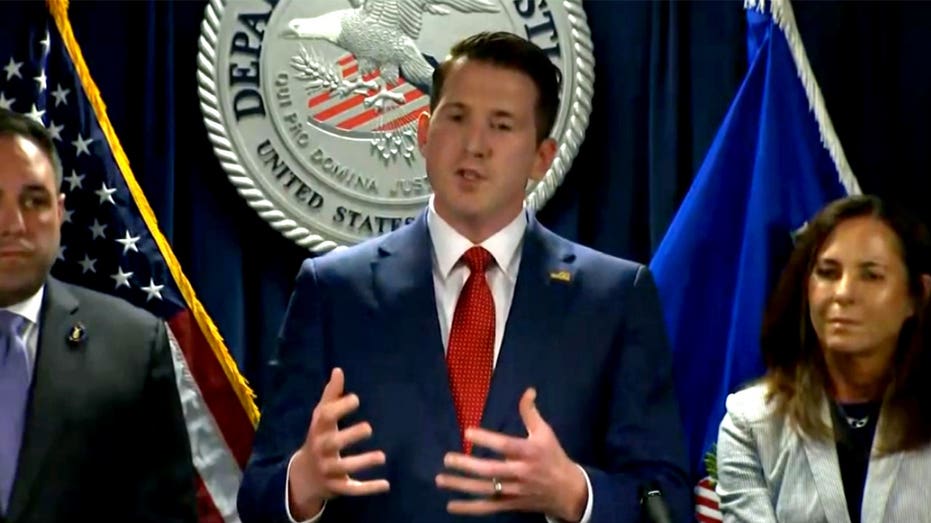
The New Hampshire Attorney General’s Office has announced plans to retry Montgomery on the second-degree murder charge. State officials expressed confidence that they will once again secure a conviction, citing the strength of their case and the work of investigators and prosecutors.
Harmony was reported missing in January 2021 by her mother, who did not have custody and was no longer in a relationship with Montgomery. Investigators later determined that the child had not been seen since 2019. Prosecutors have said that on December 7 of that year, after Harmony had an accident during the night, Montgomery allegedly struck her in the head. According to testimony at trial, he later told Kayla Montgomery, “I think I really hurt her this time.” Harmony has never been seen since, and her remains have not been located.
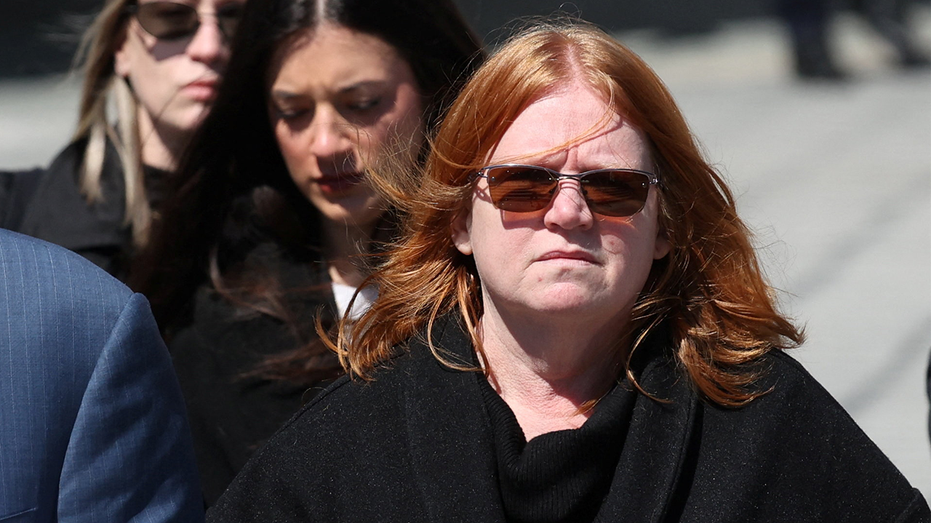
The ruling has understandably reignited anguish for those closest to Harmony. Johnathon and Blair Miller, the adoptive parents of Harmony’s brother, expressed outrage, saying the system appears to extend more protections to her accused killer than Harmony herself ever received. Their grief underscores a painful truth: the justice system must walk a delicate line between safeguarding constitutional rights and delivering accountability for victims of violence.
A Tension Between Due Process and Justice for Victims
This case highlights a difficult but essential democratic value: even those accused of the most heinous crimes are entitled to fair legal proceedings. Due process is not a luxury reserved for the innocent; it is a safeguard meant to protect everyone from wrongful conviction and government overreach.
- The court found that combining charges risked inflaming jurors and compromising neutrality.
- Montgomery’s lengthy sentence on other felonies remains in effect.
- Prosecutors intend to retry him for murder.
At the same time, the tragedy of Harmony Montgomery’s life and disappearance is a stark reminder of systemic failures that too often leave vulnerable children unprotected. As the case heads back to a lower court, many advocates are asking not only whether justice will ultimately prevail in the courtroom, but also how institutions can better safeguard children from abuse before it escalates to irreversible loss.
Harmony’s story is not just a legal case — it is a call to strengthen child protection systems, support families in crisis, and ensure that every child, regardless of circumstance, is seen, valued, and defended. The retrial will determine Montgomery’s fate on the murder charge. But the broader responsibility to protect children belongs to us all.