We All Matter News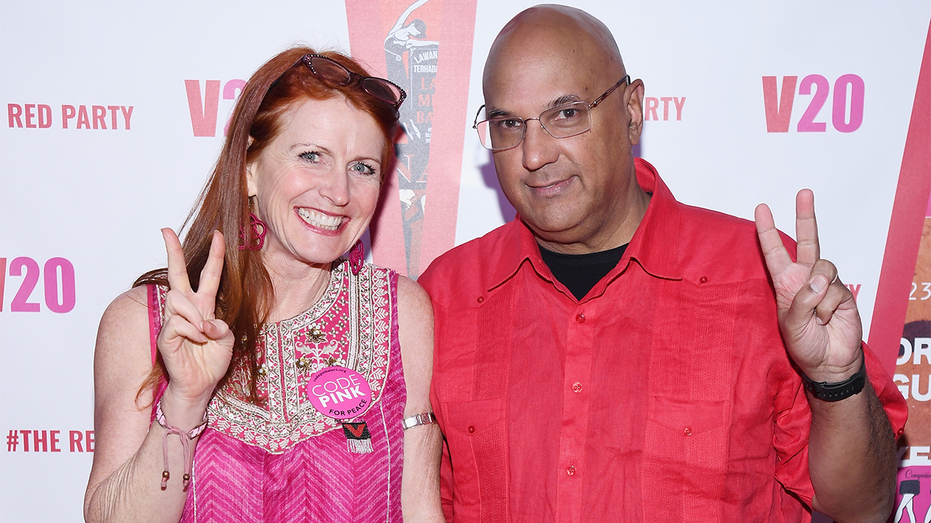
Congress Probes Claims of Foreign Funding Tied to Anti–Data Center Activism
A new report is stirring debate in Washington over who is shaping the national conversation about artificial intelligence, climate impacts, and the rapid expansion of data centers across the United States.
The analysis, published by the Bitcoin Policy Institute and titled Foreign Influence in the Campaign against American AI, argues that multiple streams of foreign money and messaging may be converging in advocacy campaigns aimed at slowing or blocking new AI data center construction. The conversation intensified after CodePink posted a social media video opposing a proposed Utah data center project backed by investor Kevin O’Leary.
At the heart of the report is tech investor Neville Roy Singham, a U.S. expatriate living in Shanghai who has reportedly funneled hundreds of millions of dollars into nonprofit organizations over the last several years. Public filings have shown that Singham directed roughly $285 million into six nonprofits through donor-advised funds and related entities. Goldman Sachs confirmed it ended its relationship with Singham’s donor-advised fund in early 2024.
Researchers allege that organizations receiving funding from Singham—including CodePink and the Tricontinental Institute for Social Research—have published materials criticizing U.S. AI expansion, semiconductor export controls, and data center construction. The report claims this advocacy mirrors narratives promoted by Chinese state-run media outlets, including CGTN, China Daily, and Global Times.
AI, Democracy, and Global Competition
The broader context is a growing geopolitical rivalry over who will define the rules and technologies of artificial intelligence. Sam Lyman, head of research at the Bitcoin Policy Institute, argues that public debate about AI safety must remain grounded in democratic accountability.
“Ensuring that AI is safe and empowers American workers must be a top priority for U.S. policymakers,” Lyman said. “But any serious debate should be transparent about who is funding and shaping the conversation.”
The report points to what it describes as an asymmetry: while Chinese state media outlets have highlighted environmental and economic concerns about U.S. data centers, the Chinese government is simultaneously subsidizing domestic AI infrastructure, including significant energy support for local operators.
Critics of unchecked data center growth often raise legitimate issues—energy consumption, water use, environmental justice, and corporate accountability chief among them. But the report argues that when foreign governments or billionaires quietly bankroll messaging campaigns, it can blur the line between grassroots advocacy and geopolitical maneuvering.
Moratorium Legislation and Capitol Hill Scrutiny
The issue reached Capitol Hill when Sen. Bernie Sanders and Rep. Alexandria Ocasio-Cortez introduced the “AI Data Center Moratorium Act” in March. Weeks later, Sanders hosted a forum titled “The Existential Threat of AI,” which featured several international AI policy experts, including individuals affiliated with Chinese academic and state institutions.
The report suggests the timing of the legislation followed an organized advocacy push. In December 2025, Food & Water Watch coordinated a letter urging a national pause on new AI data centers, gathering signatures from roughly 230 organizations—some of which reportedly receive financial support from networks linked to Swiss billionaire Hansjörg Wyss and British businessman Alan Parker.
Researchers claim the speed with which federal legislation followed the coalition letter indicates coordinated infrastructure rather than purely spontaneous activism. Lawmakers and the organizations named in the report have not publicly responded to the allegations.
Ongoing Investigations
House Republicans on the Ways and Means Committee, the Oversight Committee, and the Select Committee on the Chinese Communist Party are now examining whether certain nonprofits should register under the Foreign Agents Registration Act (FARA). Letters requesting documentation about funding streams, internal communications, and potential foreign ties have been sent to several Singham-linked organizations.
The central question is not whether Americans have the right to protest data centers or demand stricter AI safety standards—they unquestionably do. Rather, investigators say, it is whether foreign-aligned funding networks are quietly amplifying specific narratives to influence U.S. industrial policy.
- Did foreign money help bankroll anti–data center campaigns?
- Are advocacy networks coordinating messaging across outlets?
- How should Congress protect democratic transparency while respecting free speech?
The future of artificial intelligence will shape economic opportunity, workers’ rights, environmental sustainability, and national security for decades to come. The debate should be vigorous and democratic. But if foreign governments or billionaire donors are covertly steering that debate, lawmakers argue, the public deserves to know.
As investigations unfold, Americans are left grappling with a high-stakes challenge: how to develop AI that strengthens democracy, safeguards workers, and protects the planet—without allowing hidden money or geopolitical rivalries to distort the public conversation.