We All Matter News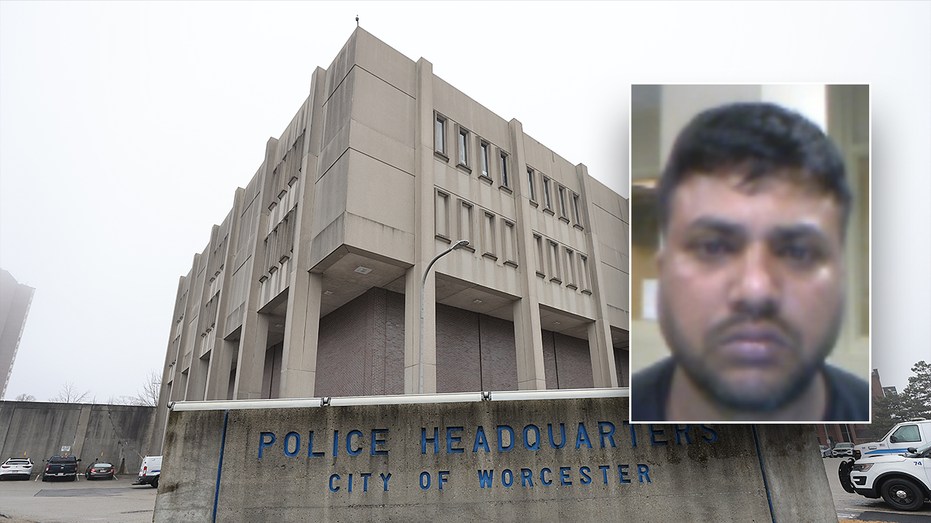
DHS Targets Massachusetts Sanctuary Policies After Local Arrest Sparks Immigration Clash
The Department of Homeland Security is escalating its long-running political battle with sanctuary jurisdictions, this time zeroing in on Massachusetts after federal immigration agents arrested a man accused of assault just days after his release from local custody.
Dhaval Amratbhai Patel, an Indian national who immigration officials say is undocumented, was taken into custody by Worcester police on May 16 and charged with assault and battery with a dangerous weapon. According to authorities, the incident stemmed from a dispute at the liquor store where Patel worked. Police allege the argument intensified and that Patel struck another man with a baseball bat.
After his arrest, Patel was released from local custody. Immigration and Customs Enforcement (ICE) agents detained him two days later, on May 18.
DHS officials quickly blamed Massachusetts’ sanctuary-style policies for what they argue was a failure to coordinate with federal immigration authorities. In a statement, DHS leadership criticized local officials for not alerting ICE before Patel’s release and accused sanctuary policymakers of undermining public safety.
But the clash highlights a deeper and more complex debate playing out nationwide — one that pits federal immigration enforcement priorities against local governments’ commitments to due process, constitutional rights, and community trust.
What Sanctuary Policies Are — and Aren’t
Sanctuary policies, adopted in various forms across the country, generally limit how much local police and jails can cooperate with federal immigration enforcement for individuals not convicted of serious crimes. Supporters argue these policies are essential to ensuring immigrant communities feel safe reporting crimes, seeking help, or cooperating with law enforcement without fear of deportation.
Critics — including DHS officials in this case — contend that such limits can allow undocumented individuals accused of crimes to avoid immediate transfer into federal custody.
It remains unclear when or where Patel entered the United States. Local authorities have not publicly commented on the specifics of his release, and representatives from the Worcester Police Department and Worcester County District Attorney’s Office did not immediately respond to media inquiries.
A Broader Political Flashpoint
The federal government’s criticism reflects a familiar pattern: high-profile or violent criminal allegations involving undocumented immigrants are often used to justify more aggressive immigration enforcement and to pressure sanctuary jurisdictions into deeper cooperation with ICE.
Immigrant rights advocates, however, warn against politicizing individual criminal cases. They emphasize that being undocumented is a civil immigration violation, not a violent crime, and stress that everyone — regardless of status — is entitled to due process under the law.
“When federal officials use heated rhetoric around individual cases, it risks painting entire communities with a broad brush,” one immigration policy analyst noted. “Public safety and constitutional protections aren’t mutually exclusive — we can and must protect both.”
Research has long shown that immigrants, including undocumented immigrants, are statistically less likely to commit violent crimes than native-born citizens. Progressive advocates argue that eroding trust between immigrant communities and local law enforcement can backfire, making neighborhoods less safe overall if victims and witnesses fear deportation consequences.
At the heart of this dispute is a fundamental question: Should local governments be compelled to do the work of federal immigration enforcement, or should they prioritize community trust and local autonomy? For many city and state leaders, the answer rests on safeguarding constitutional boundaries and ensuring law enforcement resources are focused on local priorities.
As Patel’s case proceeds through both the criminal justice system and immigration proceedings, it will once again test the fragile balance between federal authority and local control — and serve as another flashpoint in America’s ongoing debate over immigration, accountability, and what true public safety really looks like.