We All Matter News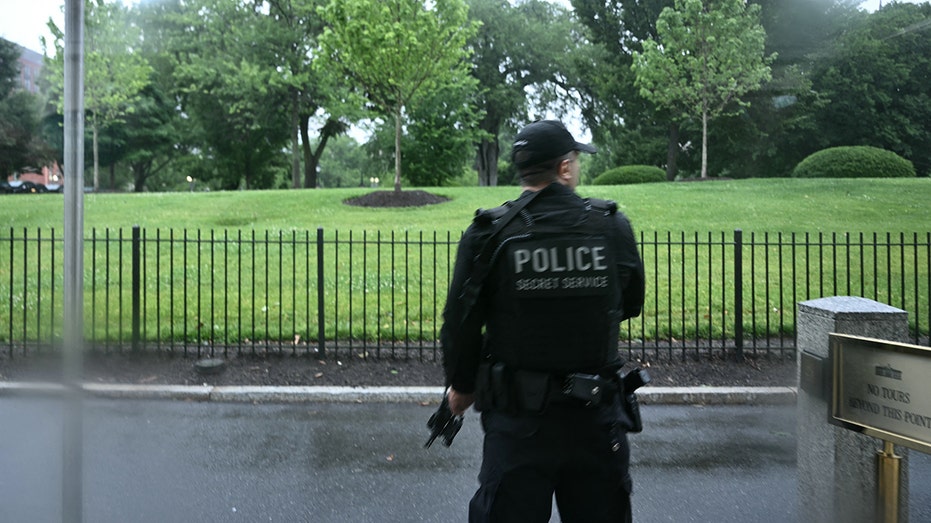
Fatal Shooting Near White House Renews Questions About Security, Gun Violence, and Mental Health Support
A 21-year-old Maryland man, identified by multiple outlets as Nasire Best, was shot and killed by U.S. Secret Service agents Saturday evening after allegedly opening fire near a security checkpoint just steps from the White House.
According to officials, the incident unfolded around 6 p.m. near the intersection of 17th Street and Pennsylvania Avenue NW. Best reportedly approached a Secret Service post, pulled a handgun from his bag, and began firing toward officers stationed outside the presidential complex.
Authorities say agents returned fire after the suspect discharged several rounds—reportedly about three shots—toward the executive mansion. Witnesses in the area later described hearing a far greater number of gunshots, with some estimates reaching as many as 30 shots near the Eisenhower Executive Office Building.
Best was pronounced dead at the scene. Officials stated that he never breached the White House grounds.
A Bystander Injured and a City on Edge
Amid the chaos, an adult bystander on the street was struck during the exchange. Their condition has not been publicly disclosed. One Secret Service officer was transported to a hospital out of an abundance of caution, though all agency personnel were reported safe.
The White House was temporarily placed on lockdown as agents secured the area. Reporters outside were directed to take cover and were ushered into the James S. Brady Press Briefing Room while armed officers swept the grounds.
The FBI, Bureau of Alcohol, Tobacco, Firearms and Explosives, and the Metropolitan Police Department all responded to assist with the investigation.
Missed Opportunities and Mental Health Concerns
Officials acknowledged that Best had previous encounters with the Secret Service. He was detained in late June after allegedly making threats and again in July for entering a restricted area. Sources also indicated he had a documented history of mental health challenges.
This troubling pattern raises urgent questions about how institutions respond when individuals show clear warning signs. Advocates for mental health reform and gun safety legislation have long argued that fragmented support systems and easy access to firearms create dangerous gaps—especially when combined with untreated mental health needs.
“When warning signs are repeatedly flagged, our responsibility as a society is to intervene with care, resources, and safeguards—not simply wait for violence to erupt,” one Washington-based public safety advocate said in response to the shooting.
The tragic outcome underscores the consequences of systemic failures: inadequate mental health services, limited early intervention infrastructure, and a nation still awash in firearms.
Political Reactions
President Donald Trump, who was inside the White House at the time and unharmed, praised law enforcement’s swift response in a social media post, calling for expanded security protections around the presidential residence. He argued that the incident demonstrates the need for what he described as the most secure presidential space ever built in Washington, D.C.
The shooting comes roughly one month after another violent incident connected to a White House Correspondents’ Dinner event, compounding concerns about safety in the heart of the nation’s capital.
While protecting public officials is essential, advocates stress that long-term safety requires more than fortified buildings. It demands investment in communities, comprehensive gun reform, and accessible mental health care so crises can be addressed before they escalate into deadly encounters.
- Gun safety legislation: Policies aimed at limiting access to firearms for those with documented threats or demonstrated instability.
- Mental health resources: Expanded crisis intervention programs and community-based services.
- Preventive intervention: Improved coordination among agencies when individuals exhibit repeated warning behaviors.
As investigations continue, the fatal encounter serves as another painful reminder that America’s struggle with gun violence reaches from neighborhoods and schools all the way to the gates of its most powerful institutions. Real security, many argue, will only come when justice, compassion, and prevention are treated as national priorities—not afterthoughts.
This is a developing story and will be updated as more information becomes available.