We All Matter News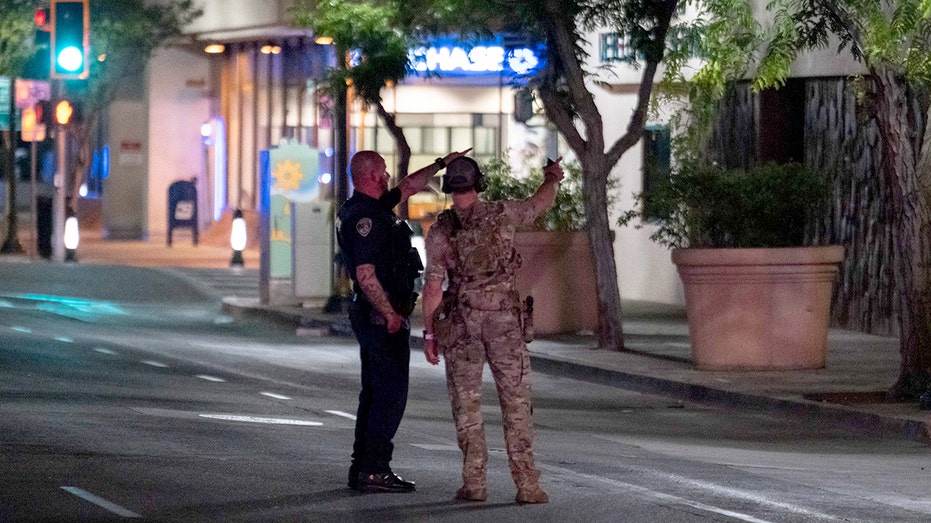
FBI Ends Dangerous Bakersfield Hostage Crisis, All Captives Escape Unharmed
A nearly 16-hour hostage crisis in downtown Bakersfield, California came to a dramatic end Wednesday afternoon when FBI agents shot and killed an armed man who had allegedly strapped explosive devices to himself and several captives inside a bank building.
Authorities identified the gunman as 41-year-old Anthony Scott Searles-Harris, a former U.S. Army soldier and registered sex offender with a documented history of violent crime. Federal officials say he was pronounced dead at the scene around 4:20 p.m. after FBI personnel intervened. All hostages survived and were reunited with their families.
The incident began shortly after 1 p.m. Tuesday, when Bakersfield police received reports of a bomb threat at a Chase Bank building located at Chester Avenue and 17th Street. Responding officers determined that Searles-Harris had barricaded himself on the second floor, which houses the Kern County Superintendent of Schools Office. Ten people were reportedly inside at the time. Five were tied up, while others were not physically restrained.
According to federal authorities, Searles-Harris claimed he had explosives attached to his body—devices agents said they could see—and that some hostages were also rigged with improvised explosive devices. Officials confirmed multiple IEDs were involved and described additional items found inside as “concerning.”
A Long Night of Negotiation
Negotiators worked through the evening and into the early morning hours, attempting to persuade Searles-Harris to release those he was holding. Around 4 p.m. Tuesday, he freed one of the five bound hostages. A second person was released at approximately 8:30 p.m. The fate of the remaining captives remained uncertain.
FBI SWAT teams from Los Angeles and Sacramento arrived later that night, and by roughly 2 a.m., federal authorities had assumed control of the scene. More than 150 personnel—including crisis negotiators and bomb technicians—were deployed.
The situation grew increasingly urgent when officials learned that one hostage, a woman with diabetes, had been communicating with authorities by phone until her battery died. Law enforcement leaders later said they feared her medical condition could rapidly deteriorate if the ordeal continued.
“We knew that this was becoming a life-or-death situation,” an FBI official said, citing both the explosives and the suspect’s unpredictable behavior.
Ultimately, agents made the decision to breach the building, leading to the fatal confrontation that ended the standoff. All remaining hostages were rescued without physical injury.
A Troubling History
Searles-Harris had served briefly in the U.S. Army between 2006 and 2007 before being dishonorably discharged after going absent without leave. In the years that followed, he accumulated a criminal record that included weapons-related violent offenses. In 2014, he was arrested for sex acts involving a child under 14 and was listed as a registered sex offender.
During negotiations, authorities said he expressed frustration about his past criminal case and the consequences he faced after sentencing. Officials indicated that he did not appear to specifically target the educational offices inside the building but may have chosen the location in hopes of drawing federal attention. Investigators also confirmed they were aware of a video connected to him circulating online, and they stated that no additional suspects were involved.
At one point, negotiators said he mentioned his daughter—an unsettling reminder of how cycles of violence and unresolved trauma can ripple across families and communities.
Relief Mixed With Hard Questions
JPMorgan Chase said the branch will remain closed for now as the company supports shaken employees and provides access to counseling and assistance resources.
While authorities praised the coordinated response that prevented further loss of life, the crisis also underscores broader, urgent conversations about public safety, access to weapons, mental health support, and the long-term consequences of a criminal justice system that too often fails to rehabilitate.
In this case, swift negotiation and tactical intervention brought a terrifying situation to a close without harm to the hostages. But communities across the country continue to grapple with the deeper structural issues—violence, systemic failures, and untreated trauma—that make such crises possible in the first place.
For the families reunited Wednesday evening, relief is paramount. For the rest of us, the challenge remains: building safer, more just systems that protect everyday people before a standoff ever begins.