We All Matter News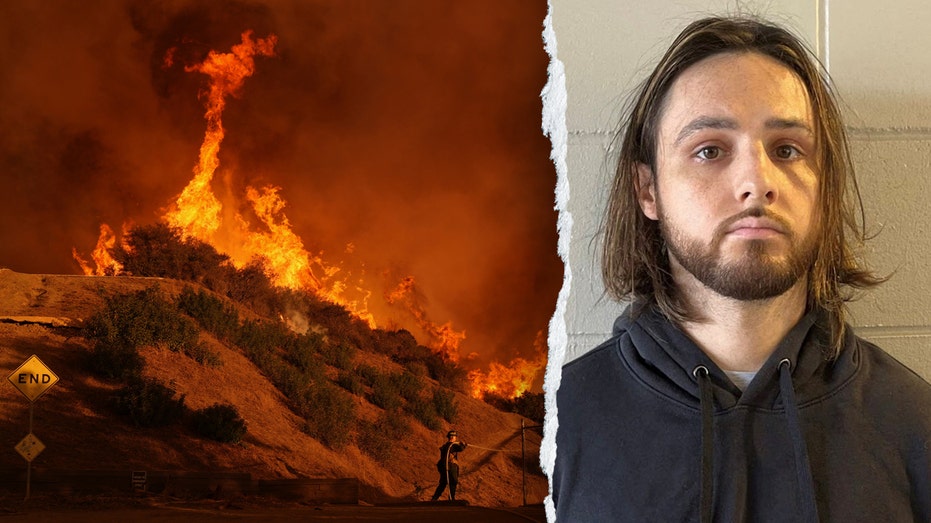
Court Testimony Raises Questions About Alienation, Inequality, and a Devastating Wildfire
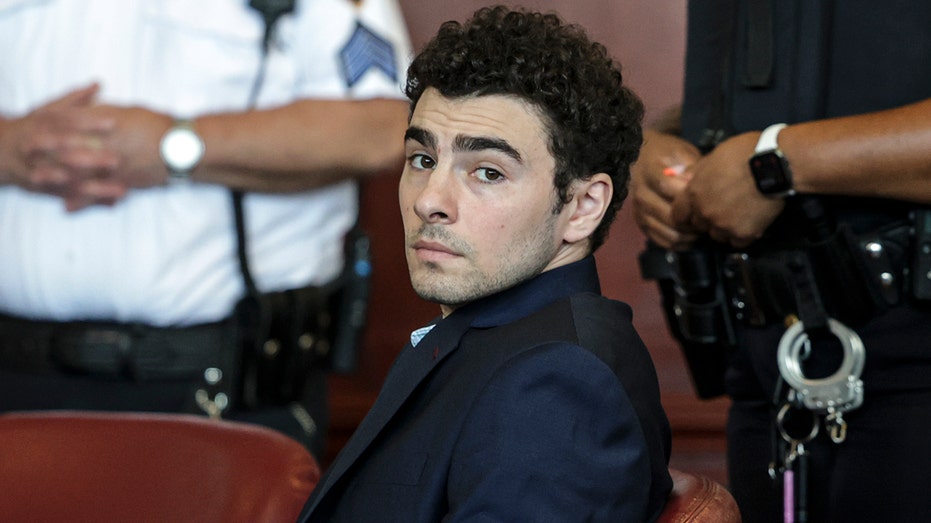
The man accused of igniting the New Year’s Day 2025 blaze that fed into the deadly Palisades Fire is now at the center of courtroom testimony painting a troubling portrait of personal crisis and alleged “societal revenge.”
Jonathan Rinderknecht, who was arrested in October 2025, has been charged with destruction of property by means of fire, arson affecting property involved in interstate commerce, and setting timber ablaze. He has pleaded not guilty and is awaiting trial in California. Prosecutors allege his actions contributed to a wildfire that tore through communities, destroying homes and livelihoods.
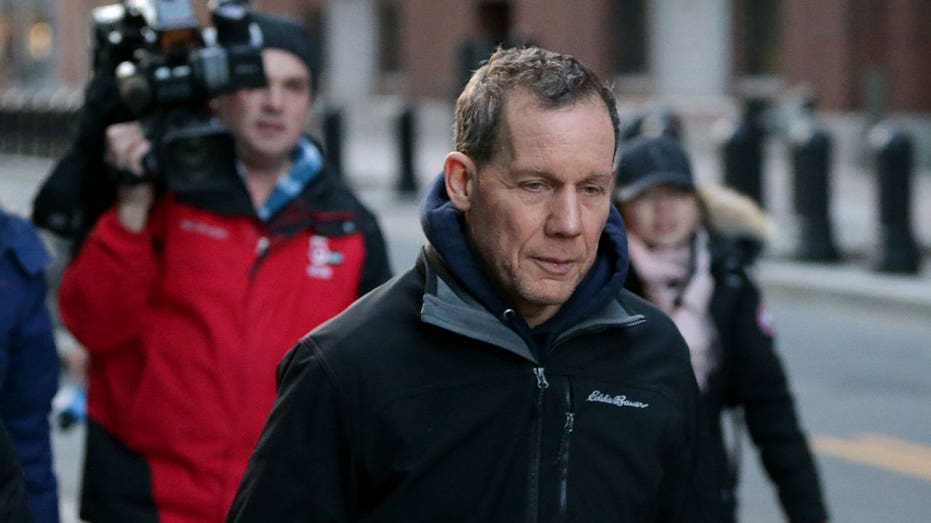
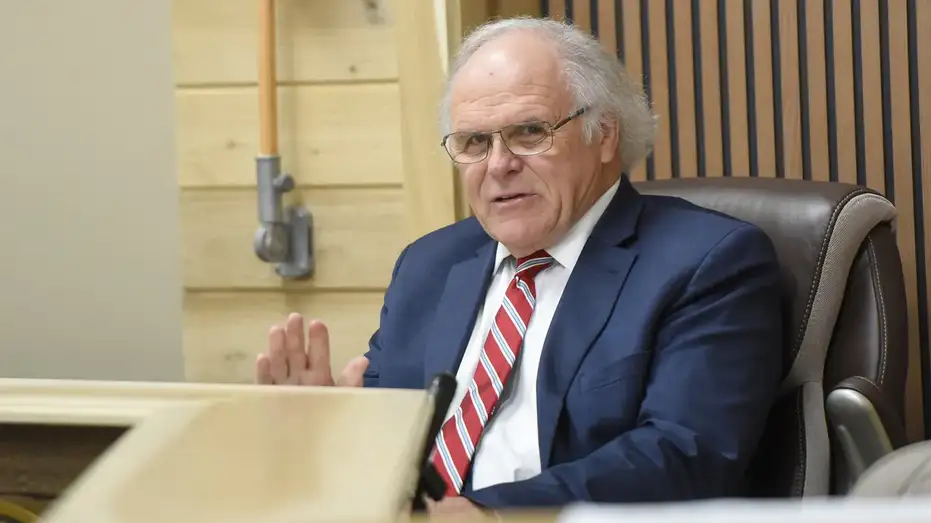
In recent court proceedings, behavioral analyst Kevin Kelm told jurors that he believes Rinderknecht’s alleged behavior aligns with what experts describe as “societal revenge” — a term used to describe individuals who externalize deep personal grievances in destructive ways.
Kelm, who previously served as a supervisory special agent with the Bureau of Alcohol, Tobacco, Firearms and Explosives and worked with the FBI’s Behavioral Analysis Unit, testified that this type of behavior can stem from mounting frustrations in areas such as finances, relationships, work, and lifestyle.
According to Kelm, individuals driven by “societal revenge” often feel overwhelmed by personal struggles they believe they cannot resolve, and may redirect that pain outward in dramatic, harmful acts.
He suggested that, in some cases, setting a fire or carrying out a destructive act can provide what the individual perceives as temporary emotional release from those stressors. Prosecutors argue that this dynamic may have been at play in the Palisades case.
Testimony also touched on Rinderknecht’s reported use of artificial intelligence tools to generate a dystopian image depicting a stark divide between wealthy elites and everyone else. Kelm said the image allegedly illustrated a barrier separating rich individuals from those with fewer financial resources — a theme that reflects broader anxieties about inequality in American society.
At the same time, Kelm indicated that Rinderknecht became frustrated when the AI system did not produce responses that aligned with his expectations. According to the analyst, that frustration was consistent with someone struggling to manage stress.
The expert’s conclusions were reportedly based on a combination of witness statements, surveillance video, photographs, and established behavioral research.
A Tragedy With Far-Reaching Consequences
The Palisades Fire left a trail of destruction, underscoring the ever-growing danger of climate-fueled wildfires in California and across the West. Communities already strained by rising housing costs and economic inequality now face yet another layer of instability: environmental catastrophe layered on top of social and financial fragility.
While the court must ultimately determine Rinderknecht’s guilt or innocence, the case has sparked broader conversations about alienation, mental health, and the pressures many Americans face in a deeply unequal society. None of these factors excuse acts of violence or destruction. But experts increasingly note that when economic insecurity, social isolation, and resentment go unaddressed, they can manifest in dangerous ways.
- Rinderknecht has pleaded not guilty to all charges.
- He faces serious federal and state allegations tied to the January 2025 wildfire.
- Prosecutors continue to present testimony aimed at establishing motive.
As the trial moves forward, the focus remains on accountability for a fire that harmed countless people. At the same time, the testimony raises an uncomfortable question: what happens when individuals feel so disconnected and disempowered that they lash out at the very communities around them?
Justice for those impacted by the Palisades Fire will ultimately be decided in court. But preventing future tragedies demands more than prosecution alone. It requires confronting the economic disparities, mental health gaps, and social fractures that too often leave people feeling unheard, unseen, and, in the worst cases, explosively angry.