We All Matter News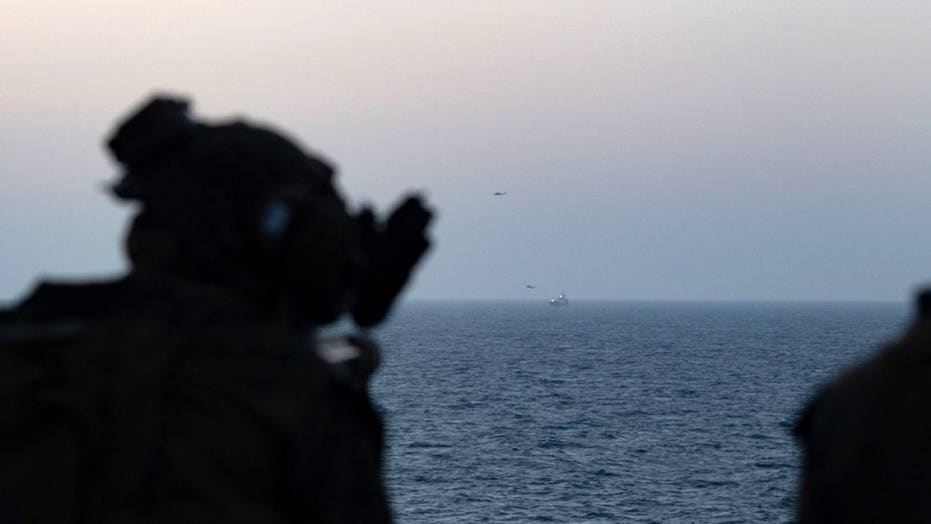
Military Escalation Abroad, Political Power Struggles at Home: The Stories Shaping America Today
The U.S. military carried out what officials described as “self-defense” airstrikes inside Iran, marking another flashpoint in a region long scarred by war and instability. The Pentagon says the strikes were aimed at protecting American personnel and interests, but the action is already raising urgent questions about congressional oversight and the risk of further escalation. Progressive lawmakers and peace advocates continue to warn that unchecked military action—without transparent debate or authorization—erodes democratic accountability and places both service members and civilians in harm’s way.
As tensions simmer overseas, political battles here at home reflect a country grappling with competing visions of its future.
Democratic Socialism Gains Visibility
In Maine, Senate candidate Graham Platner publicly aligned himself with democratic socialism during a rally alongside Sen. Bernie Sanders. Embracing a platform centered on workers’ rights, universal healthcare, and economic fairness, Platner argued that corporate greed and entrenched political power have left everyday Americans behind.
Supporters say bold structural change is necessary to confront income inequality, skyrocketing housing costs, and a healthcare system that fails millions.
While critics have attacked his stance, the growing popularity of democratic socialist ideas—especially among young voters—signals a continued hunger for policies that prioritize working families over wealthy donors.
Texas GOP Power Struggle Highlights Trump’s Grip
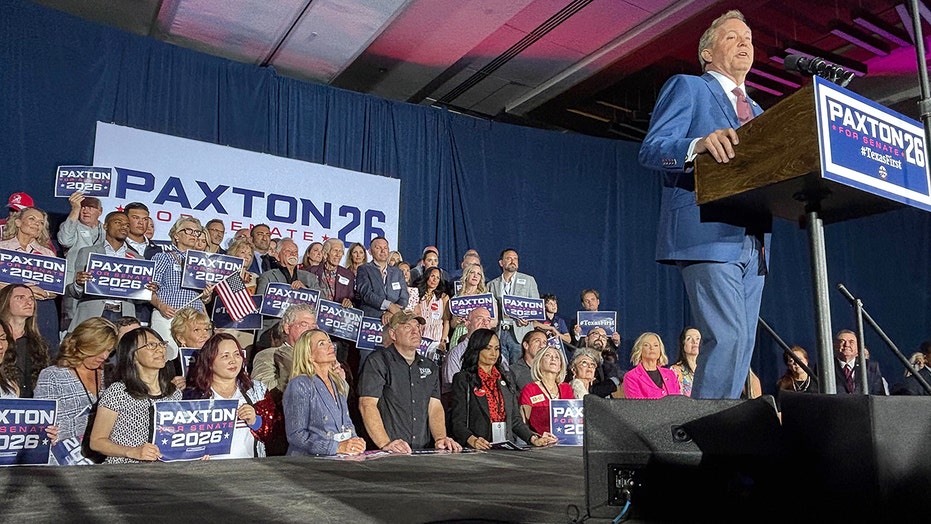
In Texas, the Republican Senate runoff between Sen. John Cornyn and Attorney General Ken Paxton has become a litmus test for loyalty to Donald Trump. The former president has thrown his weight behind Paxton, flexing his influence over the party as it heads toward pivotal midterm elections.
The clash underscores how deeply Trump’s brand of politics continues to shape the GOP, often sidelining substantive policy discussions about healthcare, wages, or climate change in favor of personality-driven allegiance. For voters concerned about democratic norms, the race represents yet another reminder of how party politics can become centered on loyalty rather than public service.
Immigration and Civil Liberties in the Spotlight
In New Jersey, Democratic leaders spent Memorial Day protesting outside an ICE detention facility, drawing attention to the human toll of the nation’s immigration system. Advocates argue that detention centers often subject migrants to inhumane conditions, separating families and denying due process.
Meanwhile, Rep. Ilhan Omar faced questions regarding a Republican proposal aimed at foreign-born lawmakers—an effort critics describe as xenophobic and discriminatory. Civil rights groups warn that such measures risk stigmatizing immigrant communities and undermining the inclusive principles at the heart of a multiracial democracy.
Free Speech, Fear, and Political Retaliation
Concerns about political retaliation also surfaced in media and business circles. A prominent business news anchor suggested that some corporate executives are reluctant to publicly criticize Trump out of fear of backlash. The chilling effect of potential political retaliation raises alarms about free expression in both the private sector and the press.
In entertainment news, claims emerged that Trump was personally involved in the cancellation of a late-night television host, fueling broader debates about presidential overreach and the independence of cultural institutions.
Culture and Community Moments
Elsewhere, the New York Knicks advanced to their first NBA Finals appearance since 1999 after sweeping the Cleveland Cavaliers—offering fans a rare collective moment of joy. In a nation often divided by politics, sports can still unite communities across lines of race, class, and geography.
And in one bizarre story out of Nebraska, a woman was injured after a dog accidentally discharged a firearm during a chaotic gas station stop—an incident that reignited conversations about gun safety and the everyday risks posed by America’s lax firearm laws.
Global Policy and “America First” Tensions
On the international stage, debate continues over visa restrictions and foreign policy priorities under Trump’s “America First” doctrine. Critics argue that restrictive immigration policies and hardline posturing can strain diplomatic relationships and harm working families who rely on global cooperation, from tech workers to agricultural laborers.
From military strikes abroad to grassroots protests at home, the day’s headlines reflect a nation at a crossroads. The questions ahead are fundamental: Will American leadership prioritize diplomacy over escalation? Will political power serve the many or the privileged few? And can democratic values withstand mounting pressure?
At stake is more than a news cycle—it’s the promise of a more just, equitable, and peaceful future.