We All Matter News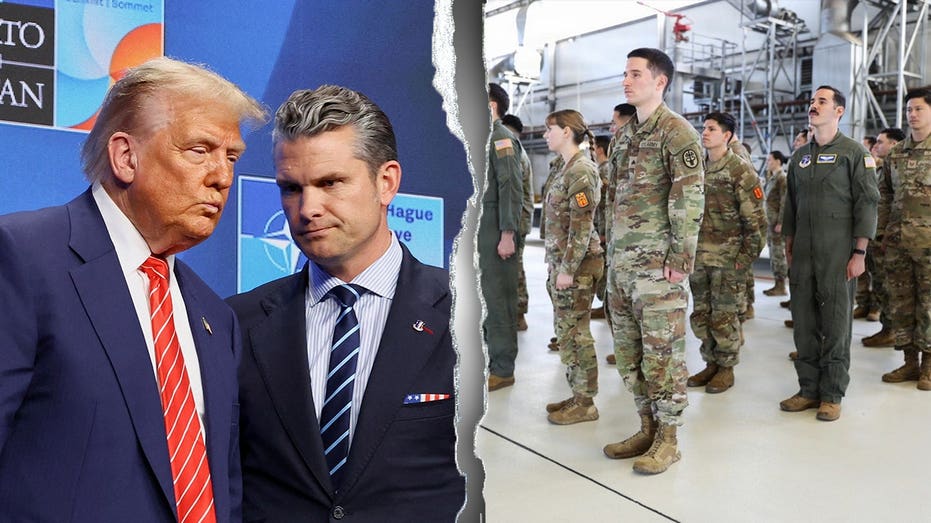
Pentagon Scales Back U.S. Combat Presence in Europe Amid Trump’s NATO Pressure Campaign
The Pentagon announced Tuesday that it will reduce the number of U.S. Army Brigade Combat Teams (BCTs) stationed in Europe from four to three, a significant shift in American military posture overseas. The move comes as President Donald Trump intensifies pressure on NATO allies to increase their defense spending, arguing that European nations should shoulder more of the burden for their own security.
While framed as a strategic review, the decision underscores a broader debate about America’s global military footprint — and who pays the price when political agendas reshape foreign policy. A single Brigade Combat Team typically includes between 4,400 and 4,700 troops, meaning thousands of service members and their families could be affected. Pentagon officials said overall troop levels in Europe will now return to where they stood in 2021.
In an official statement, the Department of Defense described the shift as the result of a “comprehensive” review of U.S. forces in Europe. The Pentagon also confirmed that it is halting the planned rotation of around 4,000 U.S. Army troops to Poland — a move that has drawn concern from both European partners and members of Congress.
“America First” Meets NATO Tensions
The administration has openly linked these changes to Trump’s “America First” agenda, which seeks to push NATO countries to assume what the White House describes as “primary responsibility” for Europe’s conventional defense. The Pentagon indicated that future decisions will depend on further analysis of U.S. strategic needs and the capacity of allied nations to contribute their own forces.
Critics argue that while encouraging fair burden-sharing within NATO is a legitimate goal, abrupt military shifts can unsettle alliances and create uncertainty at a time of rising geopolitical tension. Historically, NATO has functioned as a collective defense partnership rooted in democratic cooperation and shared responsibility. Changes to that balance require careful diplomacy, not just political messaging.
Reuters reported that the administration is expected to inform NATO allies this week that the U.S. plans to reduce the military capabilities it has available to support Europe in the event of a major conflict. That disclosure has reportedly heightened anxiety among European leaders already navigating instability along NATO’s eastern flank.
Poland Caught in the Middle
Poland, often described by U.S. officials as a “model ally,” has been particularly impacted by the decision to halt the upcoming troop rotation. The canceled deployment involved the 2nd Armored Brigade Combat Team, 1st Cavalry Division, which had been scheduled for a routine nine-month NATO mission across Poland and other eastern European positions.
Approximately 10,000 American troops are typically present in Poland, most serving on temporary rotations rather than permanent bases. Because that presence depends heavily on continuous troop movement, freezing a planned deployment naturally raised concerns in Warsaw about overall readiness and cooperation.
Polish Deputy Defense Minister Paweł Zalewski has said his government plans to seek clarification from U.S. officials during meetings in Washington. Poland’s leaders continue to emphasize their commitment to NATO and their ongoing investment in national defense.
The Pentagon noted that Defense Secretary Pete Hegseth spoke with Poland’s deputy prime minister this week and pledged continued engagement throughout the review process. Officials also stated that Poland has demonstrated both the “ability and resolve” to defend itself — language clearly intended to reinforce the administration’s wider message that other NATO members should follow suit.
Balancing Alliances and Accountability
For progressives, the debate over military spending must also include accountability and democratic oversight. Congress has the constitutional authority to shape defense policy, and lawmakers from both parties have raised concerns about large-scale troop adjustments made without full legislative consultation.
Reducing America’s overseas military commitments may resonate with voters weary of endless global deployments. But changes to international security arrangements must be handled transparently and in coordination with democratic partners — not used as leverage in political standoffs.
As the Pentagon proceeds with its review, the core challenge remains clear: how to balance fair burden-sharing within NATO while preserving the stability, cooperation, and democratic solidarity that have defined the alliance for decades. In a volatile world, the stakes are too high for uncertainty to become the new normal.