We All Matter News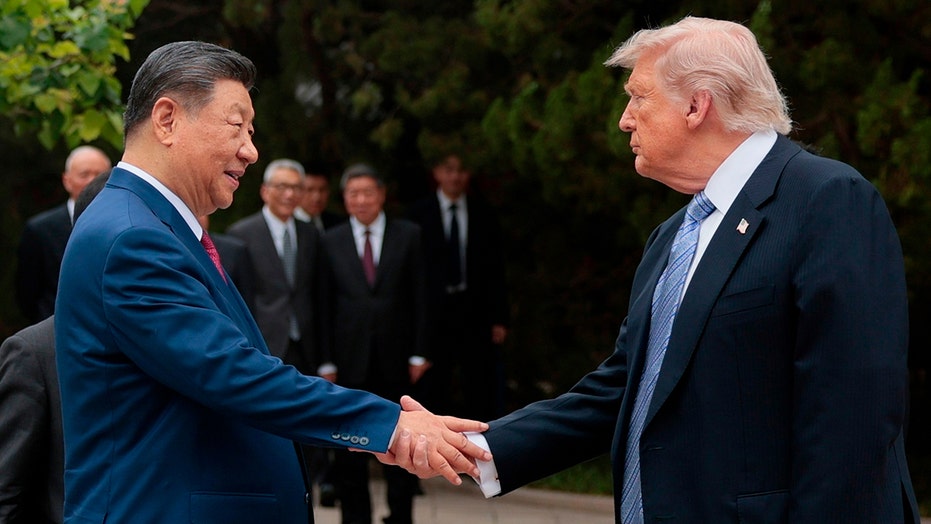
Trump Leaves China Claiming Trade Wins and Diplomatic Progress — But Questions Loom
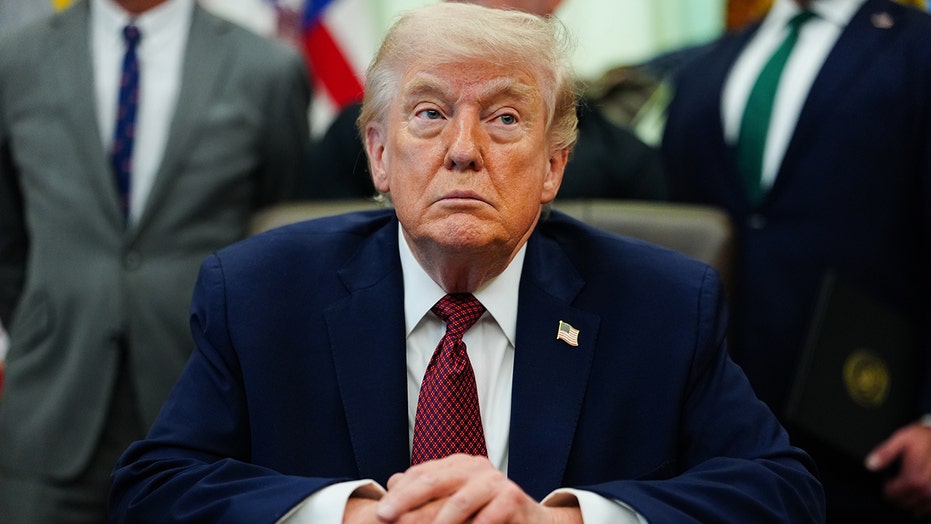
President Donald Trump departed China this week after a high-profile visit capped by a meeting with President Xi Jinping, boasting of new trade agreements and what he described as cooperation on de-escalating tensions with Iran.
According to Trump, discussions with Xi included economic arrangements intended to boost U.S.–China commerce, as well as conversations about the ongoing conflict involving Iran. Trump said Xi expressed a willingness to help calm the situation — a noteworthy development given China’s strategic relationship with Tehran and the fragile state of international diplomacy in the region.
While the administration framed the trip as a show of strength on the global stage, critics point out that durable peace and fair trade require transparency, enforceable labor standards, and a commitment to human rights — areas where both governments face scrutiny.
Trade, Power, and the Global Economy
Trump has argued the agreements will rebalance economic ties with Beijing. For working families in the U.S., the real test will be whether any deal protects jobs, strengthens supply chains, and prevents a race to the bottom on wages and environmental protections.
Meanwhile, warnings about a growing rivalry between the U.S. and China continue to shape political rhetoric. Trump pushed back on suggestions that America is in decline, responding to reported comments from Xi referencing historic power shifts. The broader question for many Americans is not about posture — but whether leaders in both nations are prepared to invest in diplomacy over militarization and corporate profit.
Domestic Divides Surface on Housing and Shutdown Reform
Back home, divisions within the Republican Party have reportedly stalled key elements of Trump’s housing affordability agenda. As rents skyrocket and homeownership becomes increasingly out of reach for working-class families, lawmakers remain at odds over how — or whether — to intervene meaningfully.
In a rare show of bipartisan accountability, the Senate voted to place lawmakers’ pay in escrow during any future government shutdowns. The move comes after federal workers endured repeated closures that left families scrambling while members of Congress continued collecting paychecks.
No worker should be forced to go without a paycheck because of political gamesmanship in Washington.
Accountability and Public Safety
In Texas, authorities are investigating a disturbing case involving a migrant suspected of being a serial killer. A criminal profiling expert pointed to what was described as an unusual warning sign in the case. As details unfold, advocates stress the importance of avoiding fear-based narratives that scapegoat immigrant communities while ensuring justice and safety for all.
On college campuses, a reported sexual assault at a major party school has reignited urgent conversations about student safety, consent education, and institutional responsibility. Survivors’ rights groups are calling for stronger protections and accountability measures to end campus sexual violence.
Education, Democracy, and Cultural Flashpoints
Education policy remains another battleground. Education Secretary McMahon praised the administration’s efforts at what she called “renewal,” arguing for dismantling parts of the federal education bureaucracy. Public education advocates counter that underfunding and privatization threaten equitable access, particularly for low-income students and students with disabilities.
Elsewhere in politics, media clashes and partisan finger-pointing continue to dominate headlines. From disputes over foreign policy positions within Democratic circles to renewed accusations about technological competition with China, the political discourse remains heated — and often more focused on point-scoring than policymaking.
Everyday Americans Feeling the Strain
Economic anxieties are also front and center. New analyses highlight how much Americans need to retire comfortably, underscoring stark differences from state to state. With Social Security’s long-term solvency still unresolved and retirement savings unevenly distributed, advocates are pressing for stronger public safeguards to protect seniors from poverty.
Meanwhile, frustration is brewing in Wisconsin after an NFL holiday game was placed behind a streaming paywall, prompting criticism that corporate media deals are shutting out loyal fans who cannot afford yet another subscription.
The Bigger Picture
From diplomatic overtures abroad to economic strains at home, this week’s headlines reveal a nation wrestling with profound questions: How can the U.S. pursue peace without sacrificing human rights? How do we create an economy that values workers over shareholders? And can Congress move past partisan gridlock to deliver real relief?
For millions of Americans, the answers will shape not just political narratives — but daily life.