We All Matter News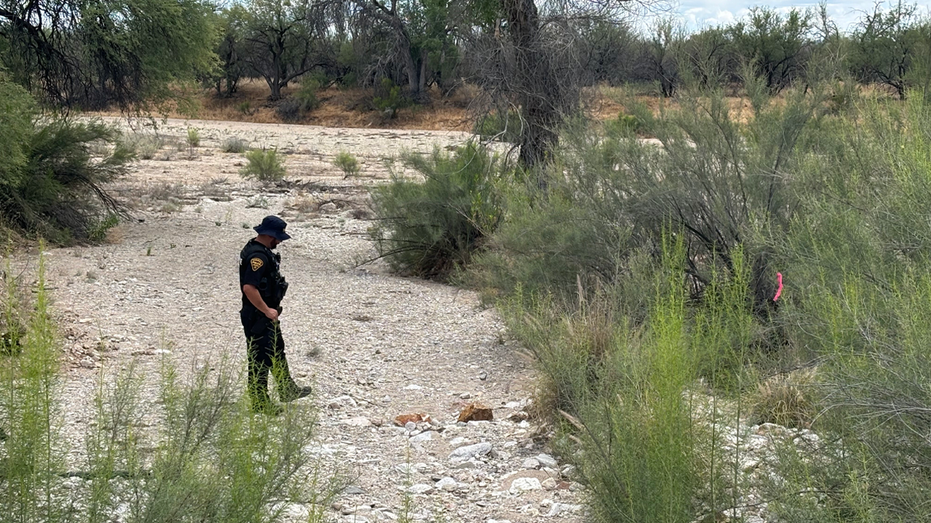
Ancient Human Remains Discovered Amid Search for Missing Arizona Mother
As the search continues for 84-year-old Nancy Guthrie in Tucson, Arizona, the unsettling discovery of human remains in the Sonoran Desert briefly rattled a community already on edge. The bones were found just a few miles from Guthrie’s home in the Catalina Foothills, where she is believed to have been abducted in the early morning hours of Feb. 1.
But experts quickly made clear that the remains are not connected to Guthrie’s disappearance. Instead, they appear to belong to someone who lived centuries ago — possibly as far back as 1,000 years.
University of Arizona anthropologist James T. Watson, who responded to the scene, said what was uncovered went far beyond a single bone that initially drew public attention on social media. A full skeleton was recovered.
“Whether it is a thousand years old or 50 years old, these are human remains,” Watson emphasized, underscoring the need for dignity and respect any time a discovery like this occurs.
A Connection to Indigenous History
According to Watson, multiple pieces of contextual evidence indicate the remains are Indigenous and date back to a pre-contact era, before written language was used in the region.
- Ceramic artifacts found at the scene match known examples from a nearby archaeological site.
- The burial context aligns with established knowledge of Native communities who lived in the area hundreds of years ago.
“The ceramics really solidified that conclusion,” Watson explained, noting that the totality of evidence strongly suggests the individual was Native American.
In keeping with federal law and ethical practice, the remains have been transferred to the Tohono O’odham Nation, whose reservation lies just west of Tucson. No further testing is expected. The transfer reflects a broader push for respecting Indigenous sovereignty and honoring the cultural and spiritual traditions surrounding ancestral remains.
The Desert’s Harsh Reality
The Sonoran Desert is both breathtaking and brutal. Its vast terrain, extreme temperatures, and sudden flash floods create conditions that can quickly turn deadly. Watson noted that new construction and ongoing search efforts often uncover long-hidden remains in areas that have been undisturbed for centuries.
The region’s landscape — crisscrossed by usually dry riverbeds that can surge violently after heavy rains — frequently exposes what has long been buried. Real estate development can also unearth remains during excavation.
“There are literally probably hundreds of bodies discovered every year out in the desert,” Watson said, pointing to the area’s history of settlement and migration.
Southern Arizona also sits near the U.S.-Mexico border, where for decades migrants have attempted dangerous crossings through unforgiving terrain. Human rights groups have documented the tragic toll these journeys take, as people seeking safety and economic opportunity face deadly conditions exacerbated by harsh border enforcement strategies.
Watson acknowledged he has, at times, been called to examine the remains of migrants who perished in these conditions. It is a grim reminder that the desert does not discriminate — and that policy decisions made far from this landscape can carry devastating human consequences.
Search for Nancy Guthrie Continues
The remains were discovered by a local resident conducting an independent search for Guthrie. Authorities swiftly determined the bones were ancient and unrelated to her case. Still, the find briefly intensified public scrutiny, given Guthrie’s connection to her daughter, “Today” co-host Savannah Guthrie.
Guthrie’s disappearance remains under active investigation, with law enforcement offering a combined reward of more than $1.2 million for information leading to answers. Her family continues to plead for tips, hopeful that community solidarity will bring long-overdue clarity.
As searchers comb through the desert’s remote corners, Watson cautioned that more discoveries are likely.
“As people start to look into places that don’t normally get much attention across the desert, they’re likely to find more individuals,” he said.
Each discovery — whether centuries old or tragically recent — tells a story about who we are, how we treat one another, and whose lives are remembered. In the vast silence of the Sonoran Desert, history and present-day struggles often lie just beneath the surface.