We All Matter News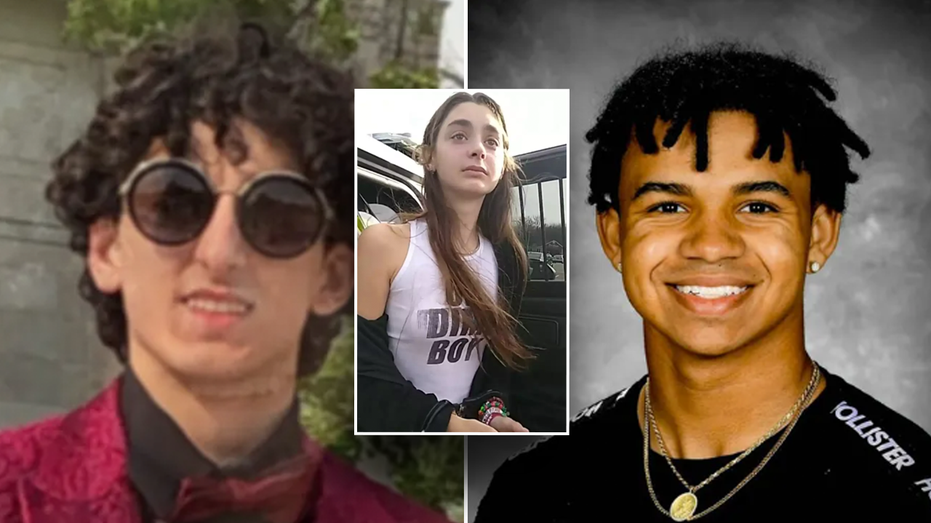
Bodycam Footage Reveals Family Turmoil as Questions Linger in High-Profile Ohio Crash Case
Newly released police body camera footage is shedding fresh light on the emotional aftermath of a 2022 crash that claimed the lives of two young men and forever altered several families in Strongsville, Ohio. The video captures Mackenzie Shirilla’s father, Steve Shirilla, confronting officers at the police station shortly after his daughter’s arrest, pleading with them not to question her.
In the footage, he can be heard insisting that police refrain from speaking to his daughter without an attorney present. “I need to speak to my daughter,” he tells officers, referencing guidance from legal counsel. When reminded that she was 18 and legally an adult, he responded bluntly, calling her “a dumb 18-year-old that just turned 18.” His frustration extended beyond his daughter, as he added, “All the kids nowadays are dumb.”
The bodycam video, released amid renewed public attention following Netflix’s documentary The Crash, highlights the intense pressure and confusion families face when confronted with the machinery of the criminal legal system. It also underscores the constitutional rights at stake when anyone—teenager or adult—interacts with law enforcement.
A Crash That Shocked a Community
Shirilla, now 21, is serving two concurrent sentences of 15 years to life after being convicted of murder in the deaths of her boyfriend, 20-year-old Dominic Russo, and their friend, 19-year-old Davion Flanagan. Prosecutors argued that on July 31, 2022, she intentionally drove her Toyota Camry into a brick commercial building in Strongsville.
According to police records, officers responded around 6:15 a.m. after the vehicle crashed into a building on Alameda Drive. Shirilla, then 17, was removed from the driver’s seat and transported to a nearby hospital. Russo and Flanagan were pronounced dead after first responders extricated them from the wreckage.
Data presented to a grand jury indicated the vehicle was traveling approximately 90 miles per hour in a 35 mph zone. Event Data Recorder information reportedly showed the accelerator fully pressed and no brake application in the moments leading up to the crash.
Initially, the deaths were classified as accidental. Investigators later asked the Cuyahoga County Medical Examiner’s Office to review the case again, asserting that the evidence pointed to an intentional act. The manner of death was subsequently changed to homicide.
Intent, Accountability, and a Contested Narrative
During trial, prosecutors contended that Shirilla intentionally drove into the building to end what they described as a toxic romantic relationship. They argued that Flanagan was an unintended victim. Shirilla has consistently maintained that the crash was not deliberate.
The resurfacing of bodycam footage has reignited debate—not only about Shirilla’s culpability, but also about how the legal system handles young defendants, particularly teenage girls thrust into high-stakes prosecutions. The language heard in the video reflects raw fear and paternal instinct, but also raises broader questions about youth, maturity, and how society assigns blame.
“You guys aren’t allowed to speak with her,” her father tells police in the footage, emphasizing his desire to protect her legal rights.
The constitutional right to remain silent and to have counsel present is fundamental. Advocates for criminal justice reform note that young people—especially those just entering adulthood—are often ill-equipped to navigate police questioning without guidance.
Ripple Effects Beyond the Courtroom
The case’s renewed media attention has also had professional consequences. Following the release of the Netflix series, it was confirmed that Steve Shirilla will not return to his teaching position at Mary Queen of Peace School. The Catholic Diocese of Cleveland stated that personnel decisions are handled at the school level and declined to discuss specifics, citing privacy considerations.
As the documentary sparks new conversations, the tragedy remains at its core: two young men lost their lives, and another young woman faces decades behind bars. For many observers, the case sits at the intersection of grief, accountability, and the urgent need for a justice system that centers fairness, due process, and human complexity.
In the end, beyond the viral clips and streaming headlines, this story is about young lives cut short and a community wrestling with pain—and about how we, as a society, respond when tragedy collides with youth and the power of the state.