We All Matter News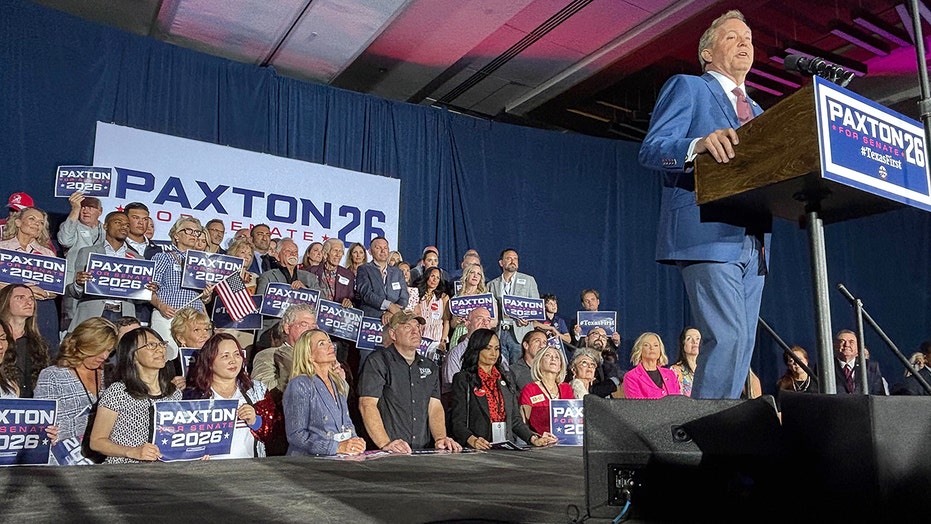
Texas GOP Power Struggle Ousts Longtime Senator as MAGA Influence Deepens
A decades-long political career came to an abrupt end in Texas this week as Sen. John Cornyn lost his Republican primary runoff to state Attorney General Ken Paxton, a candidate closely aligned with Donald Trump’s hard-right movement. The fiercely contested race underscored how deeply Trump’s endorsement continues to shape GOP politics, particularly in a state that has become ground zero for the party’s internal power struggles.
Paxton’s victory is being widely viewed as a triumph for the Trump wing of the Republican Party—an increasingly dominant faction that has prioritized ideological loyalty over experience or bipartisan governance. Cornyn, a veteran lawmaker who once held leadership roles in the Senate, found himself targeted as insufficiently committed to the former president’s agenda. The race turned bitter, reflecting a broader trend within the GOP: purge the moderates, consolidate power.
MAGA Momentum Reshapes Texas Politics
Texas Republicans saw several high-profile clashes where Trump’s stamp of approval proved decisive. In other key runoff contests:
- A Trump-backed mortgage executive defeated a former military pilot in a primary to replace Rep. Wesley Hunt, reinforcing the former president’s sway in congressional races.
- An Army combat veteran secured a GOP runoff win after receiving Trump’s endorsement, further cementing MAGA-aligned candidates’ dominance.
- In the state’s attorney general contest, a closely watched intra-party battle ended with the defeat of a hard-line conservative challenger, signaling that while Trump’s influence remains powerful, it does not guarantee uniform victories in every race.
Collectively, the outcomes demonstrate a Republican Party increasingly driven by loyalty tests and culture-war flashpoints rather than bread-and-butter issues like workers’ wages, affordable health care, or voting rights.
Democratic Turbulence and Accountability
Political shakeups were not limited to Republicans. In one Democratic primary, a controversial incumbent who had called for the imprisonment of “Zionists” was voted out after widespread backlash. Party voters signaled that rhetoric perceived as extreme or discriminatory would not go unchecked. The result reflects ongoing debates within Democratic circles about maintaining a commitment to human rights and inclusive language while advocating forcefully for Palestinian rights and broader Middle East peace.
Meanwhile, a high-profile House Democrat known for repeatedly attempting to impeach Trump was defeated by another Democratic incumbent in Texas, highlighting continued realignment efforts within the party as it weighs strategies for confronting authoritarian politics without losing focus on economic justice and coalition-building.
Culture Wars Spill Into Sports and Entertainment
Beyond electoral politics, cultural tensions remain front and center. A ruling in a legal dispute involving a transgender athlete and women’s fencing sparked debate about fairness, inclusion, and the rights of LGBTQ+ competitors. Advocates for equality argue that trans athletes deserve dignity and evidence-based policies, while critics continue to push restrictive measures that civil rights groups say fuel discrimination.
In another headline-grabbing moment, comedian Marlon Wayans publicly defended Dave Chappelle’s controversial jokes about transgender people—even as Wayans raises a transgender child. The comments ignited renewed discussion over the line between free expression and rhetoric that marginalized communities experience as harmful.
Elsewhere, public figures traded barbs over political loyalty, including disputes connected to a Trump rally and criticism of public officials’ foreign policy stances. These flashpoints illustrate how deeply politics now permeates American cultural life—from locker rooms to late-night comedy stages.
Health, Safety, and Public Accountability
Former Trump attorney general Pam Bondi revealed she has been diagnosed with thyroid cancer shortly after leaving office, drawing public expressions of sympathy across party lines.
In public safety news, authorities are investigating the deaths of multiple women in a popular tourist destination, prompting urgent calls for answers and renewed attention to violence against women—a crisis advocates say requires sustained policy action and resources.
Additionally, a lawsuit against a firearms manufacturer faces significant legal hurdles after an Auburn University graduate was allegedly killed with an antique revolver. The case once again raises questions about corporate responsibility and the limits of accountability under current gun laws.
What It All Means
This week’s developments reveal a country wrestling with two competing visions of democracy: one rooted in multiracial inclusion, workers’ rights, and expanding freedoms—and another driven by personality politics, ideological litmus tests, and deepening polarization.
As primary season unfolds, voters across the political spectrum are being asked to decide not just who represents them, but what values will guide American governance. The results in Texas suggest that, at least within today’s Republican Party, allegiance to Trump remains one of the most powerful forces in American political life.
At stake in these races is more than party control—it’s the future direction of American democracy and whether it serves the many or entrenched political factions.
We All Matter News will continue tracking how these contests shape the national balance of power—and what they mean for working families striving for a more just and equitable future.