We All Matter News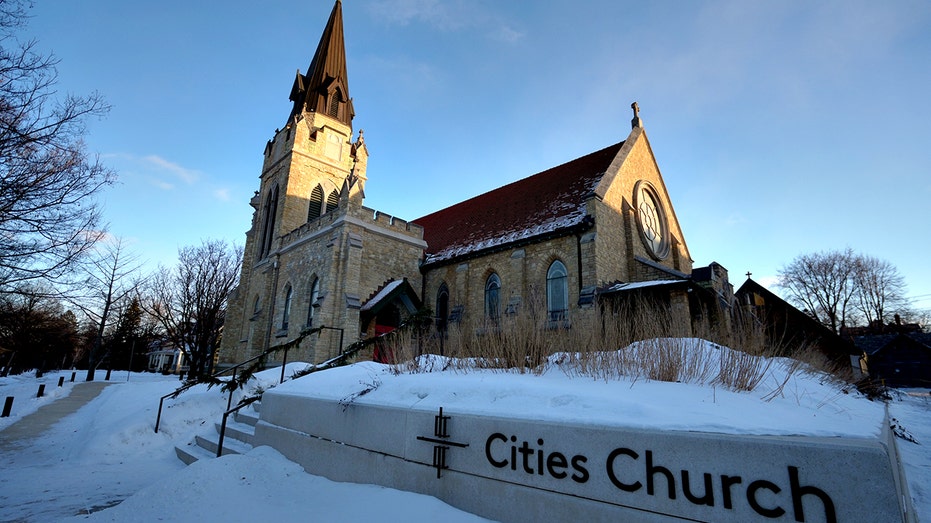
State Prosecutor Declines Charges Against Anti-ICE Protesters Who Disrupted Minnesota Church Service
Dozens of anti-ICE demonstrators — including former CNN journalist Don Lemon — will not face state criminal charges after interrupting a church service in St. Paul earlier this year, a decision that has ignited fierce debate about protest rights, accountability, and the growing moral reckoning over federal immigration enforcement.
St. Paul City Attorney Irene Kao announced Wednesday that her office would not move forward with state-level prosecutions tied to the January 18 protest at Cities Church. After reviewing video recordings, investigative materials, and other evidence, Kao determined there was not enough proof to meet Minnesota’s legal threshold for criminal charges.
“This decision should not be interpreted as an endorsement of unlawful behavior or public disorder,” Kao said, emphasizing that her office weighed the evidence carefully before declining to prosecute.
A Clash of Constitutional Rights
The protest unfolded during a worship service at Cities Church, where demonstrators gathered to call attention to federal immigration enforcement actions in the Minneapolis area. Activists targeted the church after learning that one of its pastors also serves as an Immigration and Customs Enforcement (ICE) official involved in a major enforcement operation.
Videos from the disruption show demonstrators chanting “Justice for Renee Good,” referencing a 37-year-old woman fatally shot by federal agents. For many immigration justice advocates, the protest reflected deep anger and grief over what they see as a pattern of aggressive and inhumane enforcement tactics that devastate immigrant families and communities.
Church leaders sharply criticized the prosecutor’s decision, arguing that declining charges effectively gives demonstrators a green light to disrupt religious services. Lead pastor Jonathan Parnell suggested the ruling sends a troubling message about the sanctity of worship spaces.
But Kao underscored the delicate balance between two fundamental constitutional protections: the right to religious freedom and the right to peaceful protest. She noted that the demonstration did not involve violence, damage to property, or threats to public safety — factors that weigh heavily in decisions to bring criminal charges.
“The right to peacefully protest is protected, as is the right to exercise one’s religious beliefs,” Kao said. “Balancing these equally important rights is paramount to our decision today.”
Federal Charges Still Pending
While state prosecutors are stepping back, the legal battle is far from over. Federal prosecutors have charged 39 individuals, including Lemon and another independent journalist, with civil rights violations connected to the demonstration. Those cases remain pending.
The federal charges raise complex legal questions about protest activity, freedom of expression, and how far the government can go in policing dissent tied to immigration enforcement. Civil liberties advocates are closely watching the proceedings, warning that overly aggressive prosecutions could have a chilling effect on constitutionally protected protest.
The Broader Immigration Debate
The confrontation at Cities Church is a flashpoint in a larger national struggle over immigration policy. Across the country, immigrant rights groups have mobilized against ICE operations they say tear families apart and disproportionately harm communities of color. Critics of federal enforcement argue that meaningful reform — not militarized raids — is the path toward humane and just immigration policy.
At the same time, faith communities continue to wrestle with their own roles in this debate, particularly when clergy or congregants are connected to controversial government agencies. The incident in St. Paul highlights uncomfortable questions about accountability, moral leadership, and how institutions respond when their members are involved in actions that spark public outrage.
For now, at least at the state level, prosecutors have concluded that the events of January 18 do not warrant criminal penalties under Minnesota law. Whether that decision represents an appropriate defense of constitutional freedoms or a missed opportunity for accountability depends largely on one’s perspective.
What remains undeniable is that the fight over immigration enforcement — and the right to protest it — is far from settled. As federal cases move forward, the tension between dissent and order, faith and activism, will continue to test America’s democratic values.