We All Matter News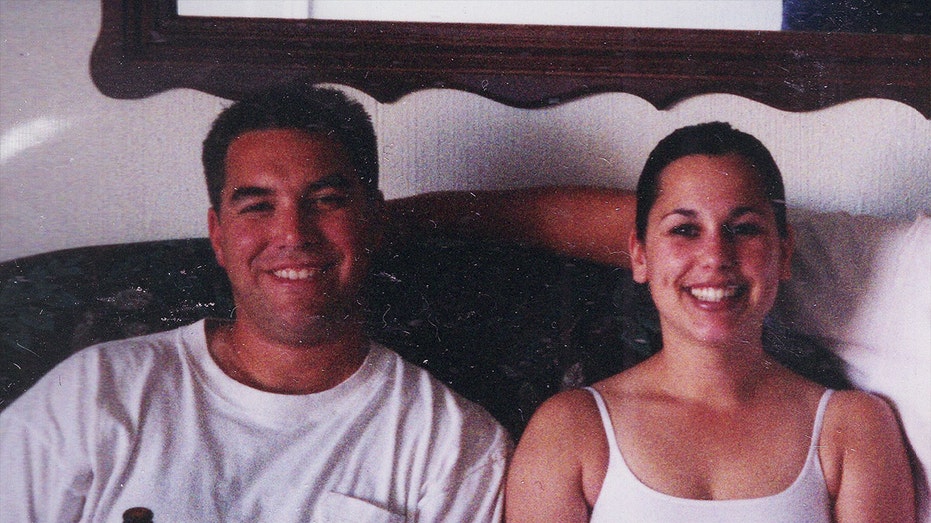
Questions Resurface in Scott Peterson Case as Defense Points to Unexamined Evidence
More than two decades after Scott Peterson was convicted of murdering his wife, Laci Peterson, and their unborn son, his legal team says the case deserves another hard look. As a new documentary prepares to air this summer, Peterson’s longtime attorney, Mark Geragos, is arguing that newly emphasized evidence — and what he characterizes as serious investigative gaps — could compel the courts to revisit the conviction.
In April, a San Mateo County Superior Court judge rejected Peterson’s latest attempt to overturn the 2004 conviction. The ruling marked another setback for the defense. But the Los Angeles Innocence Project, now representing Peterson, has pledged to appeal, signaling that the decades-long legal battle is far from over.
Claims of Overlooked and Withheld Evidence
Peterson was convicted of killing Laci Peterson on or around December 24, 2002, in Modesto, California. The case drew intense national media attention and has long been cited as one of the most high-profile prosecutions of the early 2000s.
Geragos now contends that key pieces of evidence were either inadequately examined or not fully disclosed to the defense. Among them: a burned-out van discovered within miles of the Peterson home following a neighborhood burglary. According to the defense, the vehicle contained materials that were never fully tested — including items that could potentially be reexamined using modern DNA technology.
“Why wouldn’t you test everything?” Geragos asked publicly, suggesting that a refusal to revisit forensic evidence raises troubling questions about confidence in the original verdict.
The Innocence Project has reportedly submitted a list of physical items it believes should undergo DNA retesting. The court declined that request — a decision the defense views as emblematic of a broader resistance to reexamine the case in light of advancements in forensic science.
Witness Testimony and Investigative Gaps
Beyond physical evidence, the defense argues that witness accounts from the morning of Laci Peterson’s disappearance were not adequately pursued. Retired Los Angeles Police Department detective Ninette Toosbuy, now working with the defense, says multiple individuals contacted Modesto police claiming they saw Laci alive on December 24.
According to Toosbuy, not all of those witnesses were thoroughly vetted. She argues that had even a small number of those accounts been confirmed early in the investigation, it could have shifted the trajectory of the case significantly.
The defense has also advanced a theory that Laci Peterson may have confronted burglars across the street from her home after Scott Peterson had already left for a fishing trip. If that timeline were substantiated, it could potentially undermine the prosecution’s core narrative.
- Defense investigators say multiple witnesses reported sightings of Laci on the morning of Dec. 24.
- They argue not all of those witnesses were formally interviewed or fully examined.
- They are seeking additional DNA testing of physical evidence tied to a nearby burned van.
From a criminal justice reform perspective, advocates note that the stakes in cases like this extend beyond one defendant. When courts decline to reexamine forensic evidence — especially in older cases tried before major advances in DNA science — it raises broader concerns about transparency and accountability in the legal system.
A Renewed Spotlight
The upcoming two-part documentary, set to air in mid-July, promises to delve into what producers call “new evidence,” including interviews with Geragos and others connected to the case. While documentaries do not determine guilt or innocence, they often reignite public conversation about how investigations were conducted — and whether justice was fully served.
The Peterson case has long divided public opinion. For many, the original verdict represented closure in the wake of a devastating crime. For others, lingering questions about forensic testing, witness handling, and prosecutorial disclosure remain unresolved.
At its core, this renewed legal effort raises a fundamental issue that transcends any one case: In a democracy committed to due process, should the justice system revisit convictions when credible claims of overlooked or untested evidence surface? For the Innocence Project and Peterson’s legal team, the answer is clear. They argue that ensuring fairness — even decades later — is not a weakness of the system, but a measure of its integrity.
The appeals process will ultimately decide whether the courts agree. In the meantime, the case once again stands as a flashpoint in the ongoing national conversation about wrongful convictions, forensic accountability, and the enduring quest for truth.