We All Matter News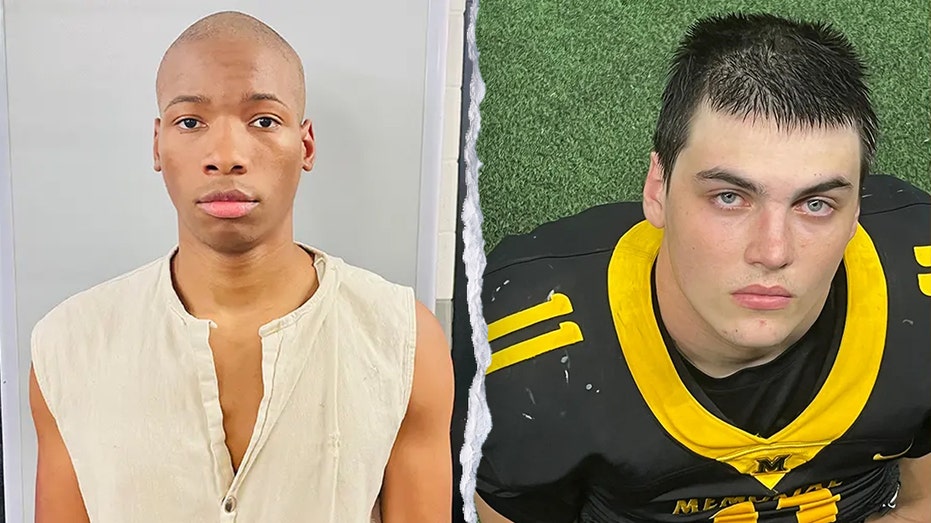
Judge Stands by Camera Ban in Karmelo Anthony Trial, Citing Fairness Over Spectacle
The Texas judge who presided over the highly scrutinized murder trial of Karmelo Anthony is defending his decision to keep cameras and livestreams out of the courtroom, calling it “an easy decision” rooted in protecting the integrity of the judicial process.
Anthony was sentenced this week to 35 years in prison after a Collin County jury found him guilty of murdering 17-year-old Austin Metcalf during a stabbing at a high school track meet in Frisco. The case drew intense public attention, fueled in part by heated national conversations around race, youth violence, and the criminal legal system.
Throughout the proceedings, Judge John Roach of the 296th District Court barred cameras and rejected requests to livestream the trial — a move that frustrated media outlets and members of the public who argued for greater transparency.
But in remarks following the verdict, Roach made clear he believed the decision was essential to ensuring due process.
“My primary goal in every case is to make sure the defendant and the prosecution get a fair trial. Period,” Roach said, adding that public approval was not his responsibility.
Balancing Transparency and Justice
The debate over cameras in courtrooms is not new. Advocates for open government argue that public access — including through modern technology — strengthens democratic accountability. Critics warn that turning trials into spectacles risks distorting justice, placing jurors under pressure and incentivizing grandstanding over truth.
Roach said he weighed the media’s role carefully but ultimately concluded that protecting the jury from outside influence had to come first.
“I had to balance between the media’s right to know what’s going on, which I think is extraordinarily important, and ensuring the process wasn’t influenced by outside commentary,” he explained.
In an era when social media can amplify misinformation and inflame tensions in real time, the judge signaled concern that livestreaming could have magnified public pressure on jurors tasked with deciding a young man’s fate.
“As long as I follow the law, I sleep well at night,” Roach said.
A Case Shaped by Broader Social Tensions
The trial unfolded against a backdrop of fierce public debate, with some observers pointing to issues of race and fairness within the justice system. Questions about jury selection and community representation surfaced early, underscoring the persistent concerns many Americans have about equity in courtrooms.
After deliberations, the jury convicted Anthony of murder and sentenced him to 35 years in prison — a punishment that will shape the rest of his young adulthood.
When asked whether he believed the jury reached the right decision, Roach expressed confidence in the legal process.
“They were picked based upon the law, they listened to the facts, it happened in this courtroom, and they got a verdict,” he said.
Roach also pushed back on speculation that he had any prior relationship with the victim’s family, stating he did not know them before the trial began.
The Human Toll
At the heart of the case are two families whose lives have been forever changed — one grieving the loss of a teenager, the other facing decades of incarceration for their son. Roach characterized Anthony as “a nice young man” who committed a grave crime and now understands the weight of its consequences.
The tragedy leaves a community grappling not only with violence but with deeper questions: how to keep young people safe, how to address conflict before it escalates, and how to ensure a justice system that is both fair and humane.
While some will continue to argue for greater courtroom transparency, the judge’s stance reflects an enduring tension within American democracy — how to safeguard open access while preserving the constitutional promise of a fair trial. As public scrutiny and media saturation grow, courts across the country will likely continue wrestling with that balance.
For now, the Anthony trial stands as a reminder that justice must be rooted not in spectacle, but in careful deliberation, legal standards, and the rights guaranteed to every person under the Constitution.