We All Matter News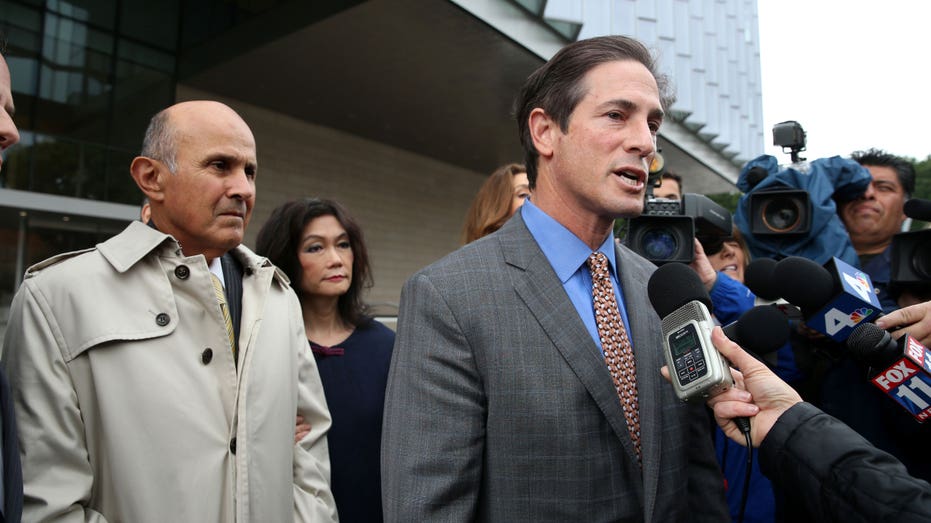
Massive L.A. County Abuse Settlement Thrown Into Uncertainty as DA Alleges Widespread Fraud
The historic $4 billion settlement meant to compensate survivors of sexual abuse in Los Angeles County’s juvenile halls and foster care system is now facing a dramatic challenge. Los Angeles County District Attorney Nathan Hochman has asked a judge to pause payouts for six months, claiming that as many as 80% of claims tied to the case may be fraudulent.
The settlement, approved in April 2025, was hailed as the largest sexual abuse settlement in U.S. history. It was designed to resolve more than 11,000 allegations of abuse suffered by young people placed in county-run juvenile detention facilities and foster homes—institutions meant to protect vulnerable children, not expose them to harm.
But the process has been clouded by controversy. A newspaper investigation uncovered nine individuals who said they were allegedly paid by recruiters to join the lawsuit. Four of those individuals reportedly admitted their claims were entirely fabricated. That reporting prompted Hochman to launch his own probe.
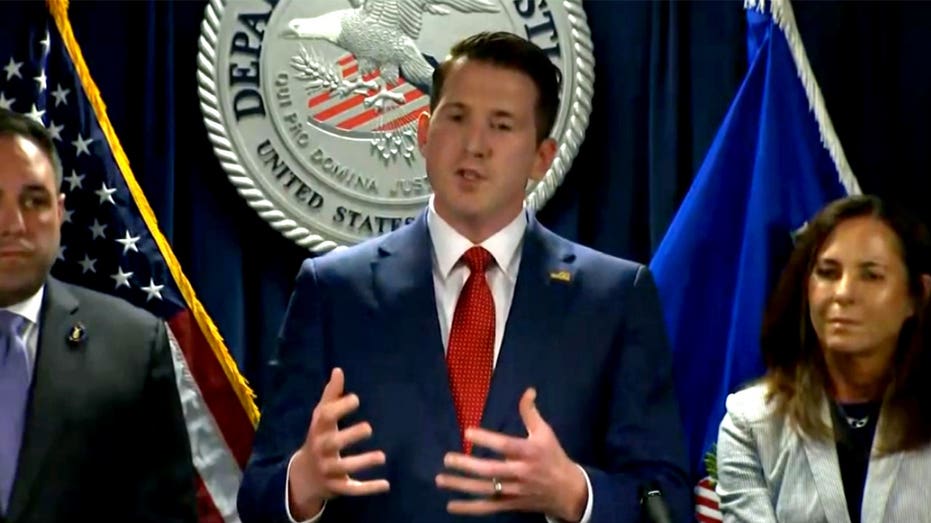
Speaking publicly last year, Hochman condemned what he described as efforts to exploit a compensation system created for survivors.
“They looked at this opportunity to compensate true victims of abuse as a chance to personally profit,” Hochman said at a news conference, vowing to pursue those responsible.
At the time, the district attorney described the nine cases as just a fraction of what he suggested could be broader misconduct. Now, he argues that the scale of potential fraud may be far greater—particularly in claims stemming from juvenile halls, which represent the bulk of the settlement.
Survivors Caught in the Crossfire
While rooting out fraud is essential to protecting public trust and ensuring taxpayer dollars are used appropriately, survivors’ advocates warn that halting payments could retraumatize people who have already endured profound harm.
Attorneys representing survivors say their clients are exhausted and deeply frustrated by further delays.
“Once again, they’re being victimized,” attorney Patrick McNicholas said, expressing concern that legitimate survivors are being penalized amid broader allegations.
For many survivors, financial compensation is not merely symbolic—it funds therapy, housing stability, medical care, and long-delayed paths to healing. Advocates argue that broad claims of fraud, if not backed by transparent evidence, risk casting suspicion on thousands of people who bravely came forward about abuse in county custody.
Law Firms Under Scrutiny
In the wake of the investigation, Los Angeles County has increased scrutiny of certain legal representatives, particularly the Downtown LA Law Group (DTLA), which represented the nine claimants cited in the reporting.
DTLA has strongly denied recruiting anyone to file false claims. A spokesperson stated that the firm rejected more than 70% of potential cases and maintains that allegations of misconduct are unfounded. The firm also noted that it underwent an independent third-party audit of more than 1,000 cases—at its own expense—with each client interviewed by a neutral auditor. According to the firm, no other legal group involved in the case has faced that level of examination.
DTLA says it welcomes judicial review and remains committed to cooperating fully with the district attorney’s office to verify legitimate claims.
A Delicate Balance of Justice and Accountability
In court filings, Hochman argued that prior vetting efforts by outside agencies were insufficient to weed out potential fraud. His request now sits before Superior Court Judge Lawrence Riff, who is expected to review the motion to freeze payments.
The stakes could not be higher. On one side is the moral imperative to compensate survivors of systemic abuse carried out in publicly funded institutions. On the other is the necessity of ensuring integrity in a multibillion-dollar settlement funded by taxpayers.
For progressives committed to both survivor justice and accountable governance, the path forward must prioritize transparency, due process, and compassion. Fraud, if proven, should be prosecuted. But legitimate survivors—young people failed by the very systems meant to protect them—must not become collateral damage in a sweeping response.
As the court weighs the district attorney’s request, thousands of Californians who stepped forward about abuse in county custody remain in limbo, waiting not only for financial compensation but for the affirmation that their voices matter and their trauma is believed.