We All Matter News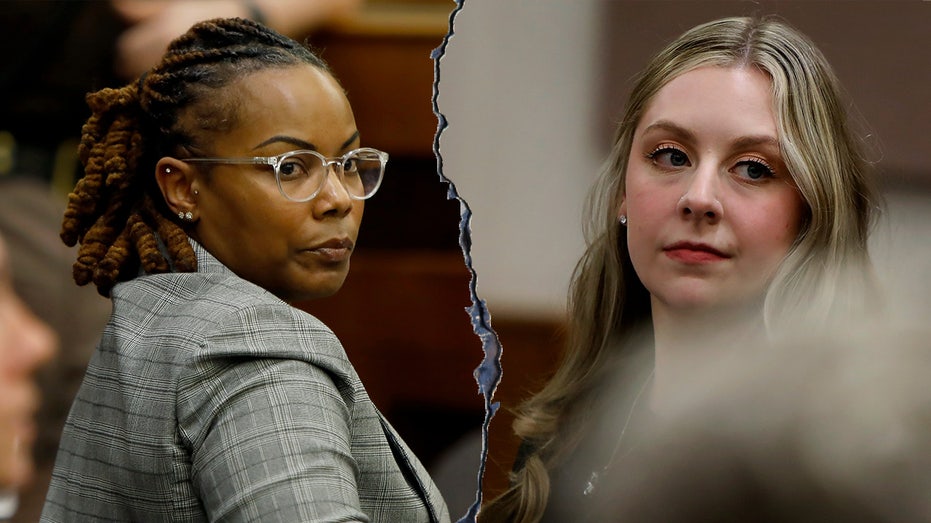
Trial Begins Over School Shooting That Shook a Virginia Community
Jury selection is underway in Newport News, Virginia, where a former elementary school assistant principal is facing serious criminal charges in connection with the 2023 shooting of a first-grade teacher by a 6-year-old student. The case has reignited urgent conversations about gun safety, school accountability, and the systems that are supposed to protect both educators and children.
Ebony Parker, formerly an assistant principal at Richneck Elementary School, has pleaded not guilty to eight felony counts of child neglect. Prosecutors allege that multiple staff members warned Parker that a young student may have brought a loaded gun to school — warnings they say were not acted upon before the child shot his teacher.
The charges are structured in an unusual way: one count for each of the eight bullets found in the gun. If convicted, Parker could face up to five years in prison per charge, a staggering potential sentence that underscores how seriously the state is treating the case.
A Preventable Tragedy?
The shooting occurred on January 6, 2023, when first-grade teacher Abby Zwerner was leading her class. Authorities say the 6-year-old student pulled out a firearm and shot her. The bullet narrowly missed her heart. Zwerner spent nearly two weeks hospitalized and endured six surgeries. To this day, she has limited use of her left hand.
Prosecutors contend that the tragedy might have been prevented if earlier warnings had been taken seriously. According to court filings, several employees raised concerns that the child could have had a weapon on campus. The central question now before jurors is whether Parker’s response — or lack thereof — amounts to criminal neglect.
Parker’s defense team argues she is being made a scapegoat for systemic failures that go far beyond one administrator’s decisions. They maintain the shooting was not foreseeable and that she did not have a specific legal duty to protect Zwerner from the attack.
This trial is forcing the community — and the nation — to grapple with whether individuals alone should bear responsibility when broader institutional safeguards collapse.
Broader Questions About Guns and Accountability
The child reportedly obtained the firearm from his mother’s purse after climbing onto a dresser at home. The child’s mother was later sentenced to nearly four years in prison. The incident has intensified scrutiny not only on school leadership, but also on gun storage laws and parental responsibility.
Educators’ unions and gun safety advocates have pointed out that teachers already shoulder enormous responsibilities without adequate funding, staffing, or safety protections. Expecting educators to double as security officers — without clear policies and robust preventative systems — leaves both staff and students vulnerable.
In a separate civil case concluded in November 2025, a jury awarded Zwerner $10 million in damages after determining that concerns about the child potentially having a gun were dismissed. Her attorneys described the verdict as a meaningful milestone in her ongoing process of recovery.
- Zwerner survived a life-threatening gunshot wound.
- She underwent six surgeries and faces lasting physical limitations.
- A civil jury found significant failures in how warnings were handled.
- Now, a criminal jury must decide whether those failures rise to the level of felony child neglect.
A Community Still Searching for Answers
Zwerner is expected to testify in the criminal trial, a moment likely to bring renewed attention to the human toll of gun violence in schools. Her experience has become a sobering symbol of what can happen when warning signs are missed — or dismissed.
At its heart, this case is about more than one administrator or one family. It raises pressing questions about how schools handle threats, how firearms are stored in homes, and how society protects those who dedicate their lives to educating children.
As the trial unfolds, many are watching not only for a verdict, but for lessons about accountability, prevention, and the urgent need to prioritize safety over complacency. For a nation weary of school shootings, the outcome will resonate far beyond a single courtroom in Virginia.