We All Matter News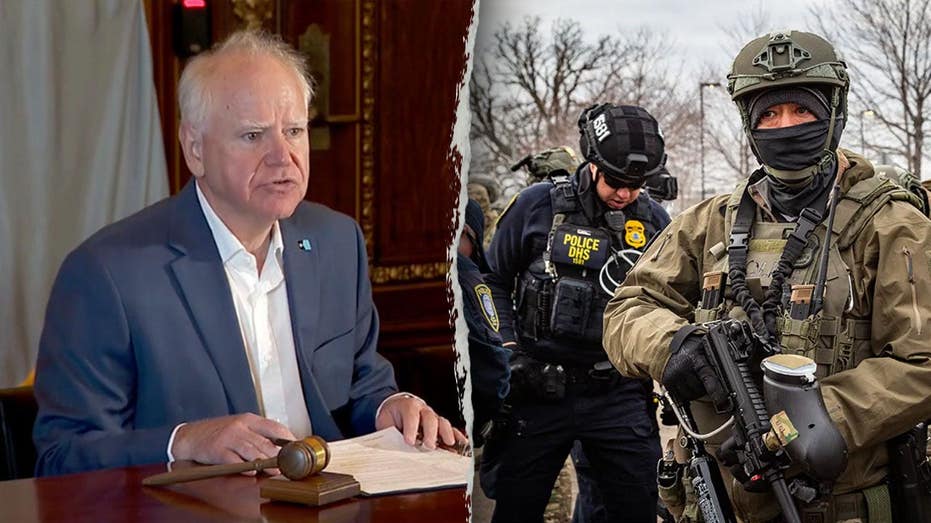
Minnesota Grants Second Chance to Rehabilitated Immigrant Facing Deportation
Minnesota Gov. Tim Walz on Wednesday granted a pardon to Jai Vang, a Laotian immigrant who had completed his sentence for a decades-old armed robbery conviction and was facing deportation by Immigration and Customs Enforcement (ICE).
Vang was convicted in Hennepin County in 1994 for aiding and abetting an armed robbery when he was just 18 years old. He served his prison sentence and, after his release, remained in Minnesota, building a new life for himself and his family.
Earlier this year, Vang was arrested by ICE during a large-scale enforcement sweep in the Minneapolis area known as Operation Metro Surge. According to federal officials at the time, the operation targeted hundreds of individuals. Vang, who had not committed any crimes since his release from prison, requested clemency as a last resort to avoid being deported to Laos—a country he left as a child.
A Unanimous Decision for Clemency
After learning of Vang’s situation, Walz called a special session of Minnesota’s Clemency Review Commission to ensure his case would be heard before deportation proceedings were finalized. The commission—joined by Attorney General Keith Ellison and state Supreme Court Chief Justice Natalie Hudson—voted unanimously to grant the pardon.
Commission members pointed to Vang’s record over the past three decades: no new criminal convictions, steady employment, strong family ties, and ownership of a local painting business that contributes to the community. Supporters described him as a devoted parent and a small business owner who provides jobs and pays taxes.
“I can find no reason how Minnesota will be safer or better if Mr. Vang is deported to a country he has not been to since he was a child,” Walz said during the hearing. “It does not serve his family, nor our economic interests, when a taxpaying member of our community is living a productive, law-abiding life.”
Attorney General Ellison, who joined the meeting remotely, said he reviewed Vang’s case file and agreed that the petition for clemency merited support.
Second Chances and Community Safety
The decision underscores a broader debate playing out across the country: whether people who have served their time and demonstrably rebuilt their lives should continue to face punishment decades later—especially when that punishment means exile from their families and communities.
Immigrant rights advocates argue that deporting long-term residents who have already paid their debt to society undermines both fairness and public safety. Research consistently shows that stability—family connections, employment, and community engagement—reduces recidivism and strengthens neighborhoods.
- Vang has not committed any additional crimes since the 1994 offense.
- He owns and operates a painting business in Minnesota.
- He has deep family ties in the state.
- He has lived in the United States since childhood.
Critics of the pardon have raised concerns about the seriousness of Vang’s original conviction and have questioned the governor’s past rhetoric regarding federal immigration enforcement. Tensions between Minnesota’s state leadership and federal immigration authorities have escalated in recent months, particularly amid large-scale enforcement actions.
During previous disputes over ICE operations, Walz sharply criticized what he viewed as heavy-handed tactics that sow fear in immigrant communities. Federal officials responded by defending their enforcement actions and calling for less inflammatory rhetoric.
The Broader Picture
At its core, the case reflects clashing visions of justice. One approach prioritizes strict adherence to immigration penalties regardless of personal transformation. The other emphasizes rehabilitation, proportionality, and the belief that redemption is central to a functioning democracy.
For Walz and the Clemency Review Commission, the unanimous decision suggests a commitment to restorative principles: that when someone serves their sentence, stays out of trouble, supports their family, and contributes to the local economy, the state should recognize that growth.
As debates over immigration and criminal justice reform continue nationwide, Minnesota’s decision places a spotlight on the power of executive clemency—and on the enduring question of whether America truly believes in second chances.
For Vang and his family, the pardon represents more than a legal adjustment. It is the difference between separation and stability, between exile and belonging. And for many advocates, it signals that redemption and community roots still matter in the pursuit of justice.