We All Matter News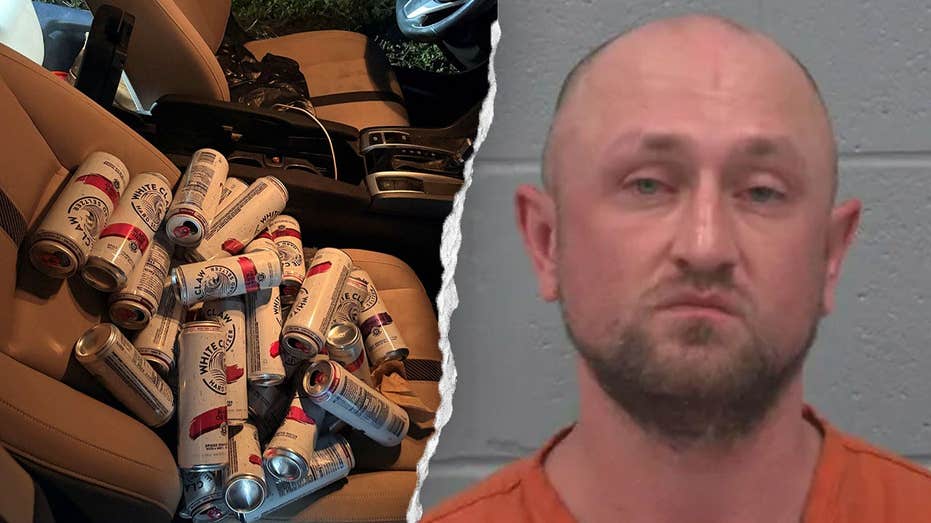
High-Speed DUI Arrest Raises Ongoing Concerns About Public Safety on Florida Highways
A Florida man is facing charges after state troopers say he was driving over 90 miles per hour on Interstate 75 in Pasco County while allegedly under the influence of alcohol — with dozens of open containers reportedly scattered throughout his car. The incident is the latest reminder of how impaired driving endangers working families who rely on safe roads to get to their jobs, schools, and homes.
According to the Florida Highway Patrol, the traffic stop occurred near the 280-mile marker on I-75. A trooper patrolling northbound reported that a Honda Civic sped past at more than 90 mph, well above posted limits. The officer initiated a stop and identified the driver as 33-year-old Conor William Parady of San Antonio, Florida.
During the roadside encounter, troopers said the driver showed clear signs of heavy intoxication. What they allegedly discovered inside the vehicle intensified the seriousness of the situation: 34 open alcohol containers, authorities reported. The presence of so many open containers points to a troubling level of disregard for the safety of others sharing the highway.
Following the stop, a DUI investigation was conducted. Officials later reported that the driver’s blood alcohol concentration measured 0.177 — more than twice Florida’s legal limit of 0.08. Driving at that level of intoxication significantly impairs reaction time, judgment, and motor skills, creating potentially deadly conditions for everyone on the road.
Parady was arrested on suspicion of driving under the influence and transported to the Pasco County Jail, according to law enforcement officials. Online jail records show he was booked following the arrest. It was not immediately known whether he had obtained legal representation.
No injuries were reported in connection with the incident — a fortunate outcome considering the circumstances. High-speed, alcohol-impaired driving too often ends in tragedy, disproportionately impacting working-class families who can least afford the emotional and financial toll of traffic violence.
The Broader Public Safety Crisis
While this case will ultimately be decided in court, it highlights a broader public safety issue. Across the United States, impaired driving continues to claim thousands of lives each year. Advocates for safer streets argue that meaningful prevention requires more than arrests after the fact. It demands investment in:
- Expanded access to affordable public transportation and rideshare alternatives
- Comprehensive substance use treatment programs
- Public education campaigns about the dangers of impaired driving
- Stronger enforcement paired with restorative accountability measures
Florida law states that a first-time DUI conviction can result in fines, probation, mandatory community service, and driver’s license suspension. Any penalties in this case will depend on the outcome of judicial proceedings. Still, advocates stress that enforcement must go hand in hand with prevention — ensuring communities have the tools and resources to reduce harm before it happens.
Safe roads are a collective right. Every driver has a responsibility to protect the lives of others, not gamble with them.
Traffic safety is fundamentally about protecting human life. Whether someone is commuting home from a late shift, transporting children to school, or traveling to visit loved ones, every person deserves to arrive safely. Incidents like this serve as a stark reminder that reckless and impaired driving is not a victimless act — it is a preventable threat to community well-being.
As the legal process moves forward, many will be watching not only the outcome of this case, but also the broader conversation about how states can better address alcohol misuse and dangerous driving. Building safer communities requires accountability, compassion, and policies rooted in protecting everyday people.
For now, authorities confirm that no one was physically harmed during the incident — a relief that underscores how much worse the outcome could have been.