We All Matter News
First Arrest Made Under DOJ’s “Most Wanted Fraudsters” List in Minnesota Pandemic Case
A Minnesota man accused of stealing millions from a federally funded child nutrition program during the height of the COVID-19 crisis has surrendered to federal authorities, marking the first arrest connected to the Justice Department’s newly launched “Most Wanted Fraudsters” list.
Said Abdullahi Ereg, 47, a former grocery and deli owner in south Minneapolis, faces federal charges including conspiracy to commit wire fraud, wire fraud, and money laundering. According to officials, Ereg turned himself in less than a week after the Justice Department publicly identified individuals charged in major fraud cases as part of a national enforcement push.
Federal prosecutors allege that Ereg fraudulently obtained more than $4.2 million from the Federal Child Nutrition Program — a program designed to ensure children in low-income communities had reliable access to meals when schools and workplaces were shuttered during the pandemic.
Allegations of Stolen Funds Meant for Children
Authorities say Ereg operated Evergreen Grocery and Deli under the sponsorship of Feeding Our Future, a nonprofit that served as a conduit for federal meal reimbursements. Prosecutors claim he falsely reported serving more than 3,000 meals twice a day, seven days a week — numbers that, if untrue, represent a staggering betrayal of a program created to fight childhood hunger.
Instead of feeding children in need, prosecutors allege that reimbursement funds were routed through foreign bank accounts and used in part to bankroll a lavish lifestyle. Court records point to a pattern of deception that diverted public resources away from working families at a time when they were facing unprecedented hardship.
Public funds intended to keep children fed during a global crisis must never become a vehicle for personal enrichment.
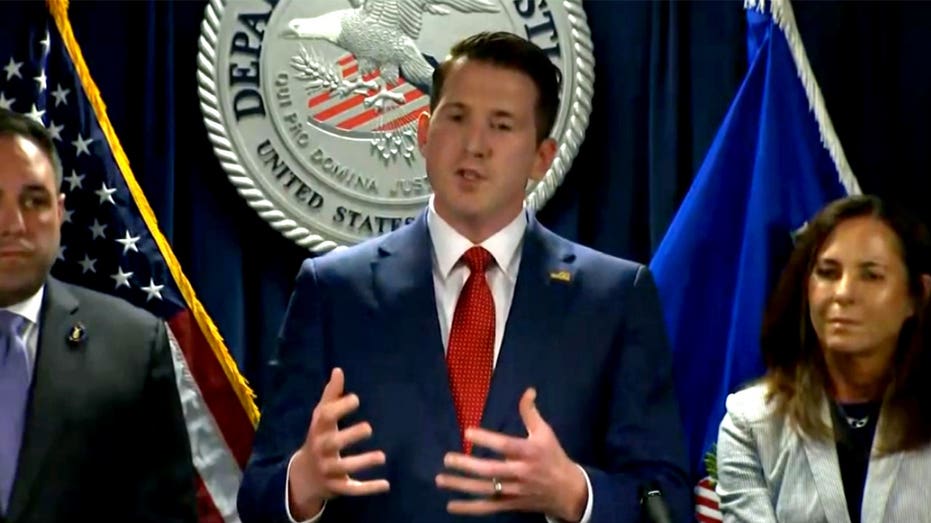
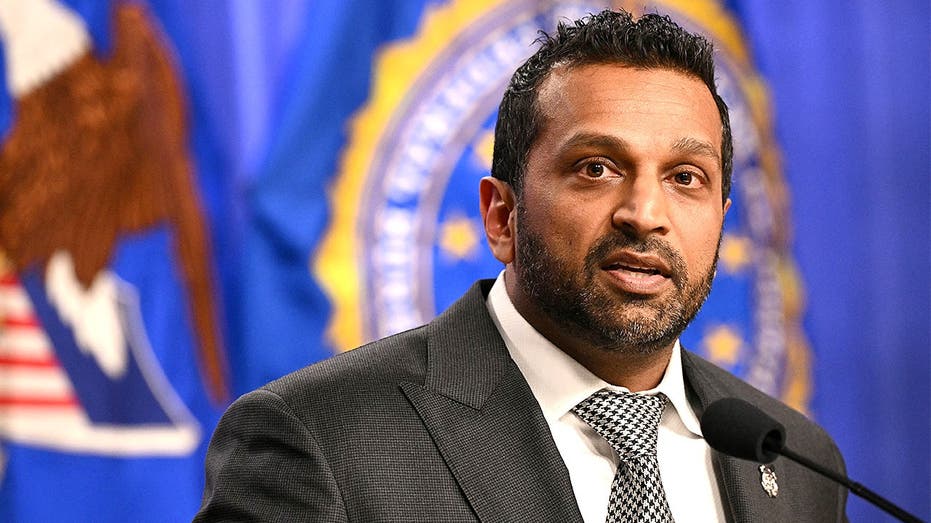
The FBI has described Ereg’s surrender as the first major enforcement step tied to its public fraud list, an effort federal officials say is meant to bring transparency and accountability to large-scale financial crimes.
Broader Crackdown on Fraud
The arrest comes amid a wider federal crackdown on fraud tied to pandemic-era relief efforts and government programs. The Justice Department recently established a National Fraud Enforcement Division to coordinate investigations and prosecutions involving complex financial schemes. Officials have emphasized that safeguarding taxpayer dollars is essential to maintaining public trust — especially when those dollars are allocated to critical safety-net programs.
While the government has prioritized rooting out fraud, advocates continue to stress that enforcement must go hand in hand with protecting the integrity and funding of essential social programs. Pandemic relief initiatives and child nutrition programs played a lifesaving role for millions of working-class families, and isolated cases of fraud must not be used as an excuse to undermine or defund services that communities depend on.
Federal officials say Ereg had been wanted on charges since 2024. According to the FBI, he contacted authorities through his attorney shortly after the fraud list was released and indicated he would return to the United States.
Additional Guilty Plea in the Case
The Justice Department also confirmed that Ereg’s wife, Najmo Ahmed, who worked at the grocery business and received payroll funds connected to the meal reimbursements, pleaded guilty last year to money laundering charges. She is scheduled to be sentenced later this month.
The case is part of a much larger investigation into alleged fraud involving pandemic meal programs in Minnesota. Prosecutors argue that pursuing accountability in such cases is essential — not only to recover stolen resources but also to ensure that future emergency aid reaches the communities it is meant to serve.
For families who relied on federal nutrition programs during COVID-19, the stakes were never abstract. These funds represented groceries on the table, stability in uncertain times, and a measure of dignity during crisis. As the legal process moves forward, the outcome will serve as a test of whether public institutions can both uphold justice and reaffirm their commitment to the social safety net that millions of Americans count on.