We All Matter News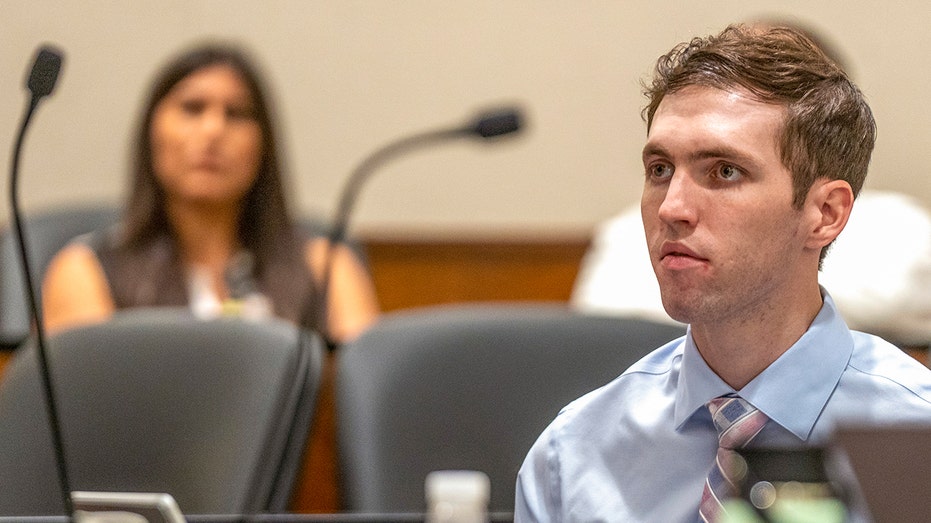
Prosecutors Push Back Against Delays in High-Profile Utah Assassination Case
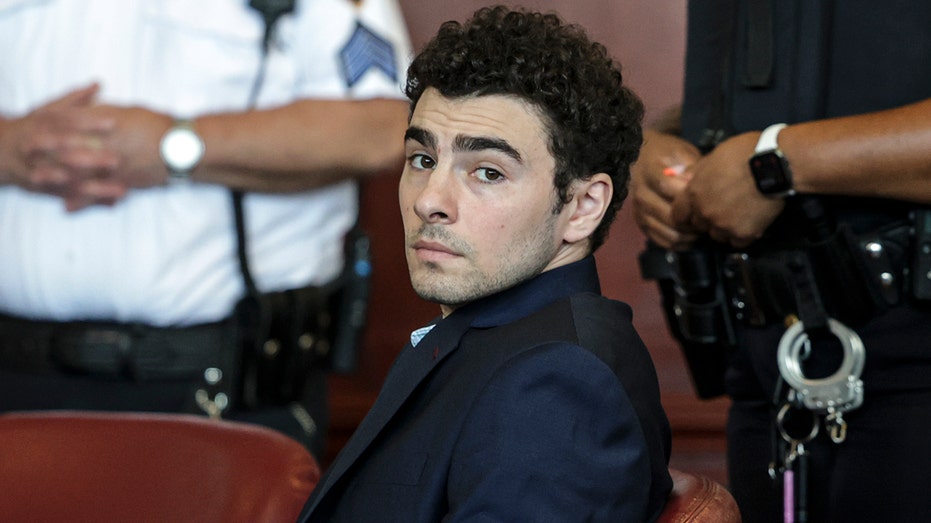
Utah prosecutors are urging a judge to reject what they describe as stalling tactics by the defense team representing Tyler Robinson, the 22-year-old man accused of assassinating political activist Charlie Kirk at a 2025 Turning Point USA event at Utah Valley University.
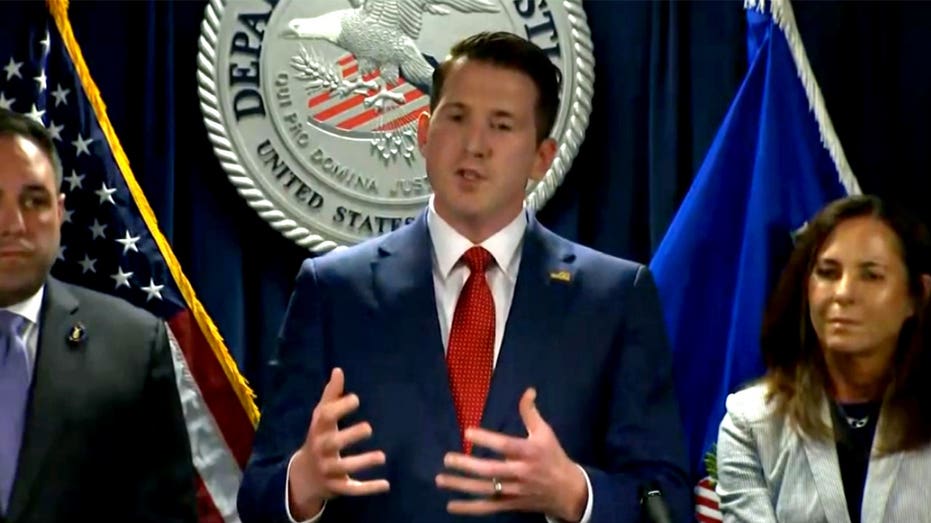
Nearly nine months after Robinson’s arrest, a preliminary hearing — a basic step in the criminal justice process — has yet to take place. Now, Deputy Utah County Attorney Christopher Ballard is asking Judge Tony Graf Jr. to deny a request from Robinson’s attorneys to further delay the proceeding while they appeal the judge’s refusal to bar news cameras from the courtroom.
At stake, prosecutors argue, is not just courtroom procedure but the public’s right to transparent justice and the victim’s family’s right to timely resolution.
Debate Over Cameras and Public Access
Robinson’s legal team has filed an appeal with the Utah Supreme Court after Judge Graf denied their attempt to prohibit media coverage of the case. They are seeking a stay — effectively a pause — on the preliminary hearing until that appeal is resolved.
Ballard, however, wrote in a recent court filing that the defense has failed to demonstrate any real risk of prejudice from public proceedings. He emphasized that the court had already concluded there was no evidence suggesting that open coverage would compromise Robinson’s fair trial rights.
“Defendant must satisfy all three elements,” Ballard wrote, referring to the legal standard required for a stay. “He hasn’t satisfied even one.”
Under Utah law, to secure a stay in a criminal case, the defense must show three things:
- A likelihood that their appeal will succeed.
- A risk of irreparable harm that outweighs harm to other parties.
- That delaying proceedings would not undermine the public interest.
Prosecutors contend that Robinson’s team has not met any of these criteria and that if the Utah Supreme Court believes a stay is warranted, it can issue one directly.
Justice Delayed — For Whom?
The preliminary hearing is a foundational step in the justice system. Prosecutors must demonstrate probable cause for the arrest, allowing the case to move toward trial. Because the hearing has not occurred, Robinson has not yet entered a plea.
The proceeding was most recently postponed from mid-May to the week of July 6, extending an already lengthy pretrial phase. Prosecutors note that much of the evidence they intend to present has already been publicly disclosed, weakening claims that media coverage would introduce new or damaging exposure.
Ballard also highlighted a critical dimension often overshadowed in procedural battles: the rights of victims and their families. Erika Kirk, the widow of Charlie Kirk and the designated victim’s advocate in the case, has invoked Utah’s constitutional protections guaranteeing victims a speedy trial.
While every defendant is entitled to a vigorous defense and due process under the Constitution, the justice system must balance those rights against the public’s interest in open courts and timely proceedings. Delays, prosecutors argue, do not only affect the state’s case — they also prolong uncertainty and emotional strain for victims’ families seeking accountability.
Broader Legal Questions
In a separate 51-page filing, Robinson’s attorneys have asked the judge to block hearsay testimony at the preliminary hearing, arguing that Utah laws permitting such testimony are unconstitutional. That additional motion further signals a broader strategy of challenging procedural norms before the case can move forward.
Meanwhile, attorneys representing multiple media organizations are expected to weigh in on the appeal to restrict courtroom cameras, underscoring how the case raises broader questions about transparency, press freedom, and democratic accountability.
Open courts are a cornerstone of a healthy democracy. Public scrutiny helps ensure fairness, discourages misconduct, and strengthens trust in the rule of law. As this case unfolds, Utah’s courts are being asked to carefully balance constitutional protections for the accused with the community’s right to witness justice in action.
For now, prosecutors are pressing forward, urging the court to keep the case on track and prevent further delay in a matter that has already gripped the public’s attention for months.