We All Matter News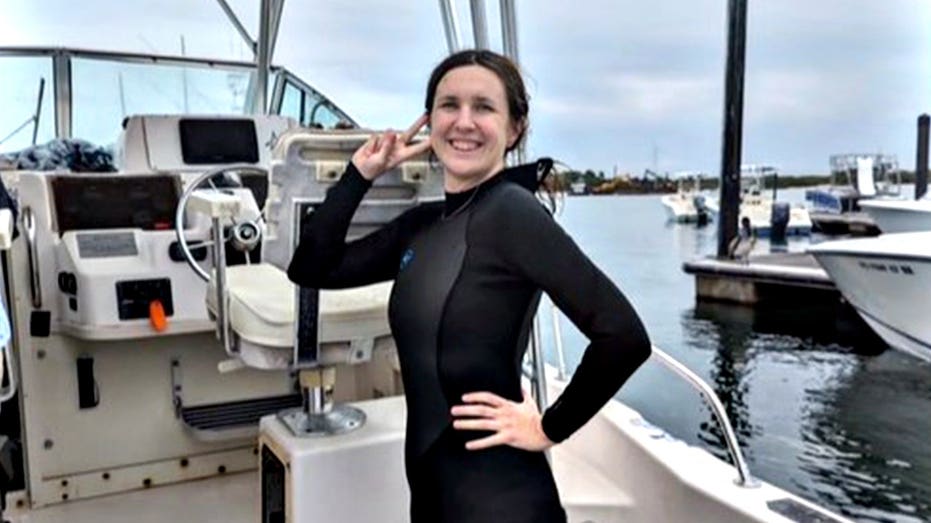
Community Mourns Flight Attendant Killed in Suspected Boat Strike Off Florida Coast
A vibrant young airline worker’s life was cut short last week after what authorities believe was a tragic boat strike off the coast of Hollywood Beach, Florida. Kellie Melinda Williams, a 31-year-old American Airlines flight attendant based in Miami, was found deceased in the surf on the evening of June 3.
Two fishermen discovered Williams’ body around 8 p.m. and pulled her from the shoreline waters near one of South Florida’s busiest coastal destinations. Officials say her injuries were consistent with being struck by a vessel, and the medical examiner determined that she died from blunt force trauma.
A Life Rooted in Service and Adventure
Williams worked out of Miami International Airport and was a member of the Miami Association of Professional Flight Attendants. Like so many flight attendants across the country, she dedicated her career to keeping travelers safe while often working long hours in a demanding industry.
Her parents shared that she had recently married and relocated to Florida, embracing a new chapter in her life. An avid snorkeler, Williams was reportedly exploring the waters near Dr. Von D. Mizell–Eula Johnson State Park earlier that day.
“It is with great sadness that we share the passing of our colleague and fellow MIA Flight Attendant, Kellie Williams,” the Miami Association of Professional Flight Attendants said in a public statement, offering condolences to her family and loved ones.
American Airlines also expressed its grief, noting the deep loss felt among her coworkers.
Ongoing Investigation Raises Safety Questions
The Florida Fish and Wildlife Conservation Commission (FWC) confirmed that investigators are working alongside Hollywood police detectives to determine exactly what happened. Based on preliminary findings, authorities believe Williams was snorkeling or diving in the area earlier in the day when she was likely struck by a boat.
So far, officials have not released details about any vessel that may have been involved, nor have they identified any suspects. The investigation remains active.
One local resident, Emilio Benitez, described the harrowing scene as he watched the fishermen pull something heavy from the water before realizing it was a person.
The tragedy has shaken both the local community and the tight-knit group of aviation workers who knew Williams not simply as a colleague, but as a friend.
The Broader Conversation About Waterway Safety
While investigators continue their work, advocates say the incident highlights ongoing concerns about boating safety and accountability in crowded recreational waters. Florida’s coastlines attract millions of visitors each year, from snorkelers and swimmers to jet ski operators and private boaters. With that popularity comes a shared responsibility to ensure waterways are safe for everyone — not just those piloting powerful vessels.
Worker advocates and community members alike point out that essential workers, including flight attendants like Williams, deserve safe opportunities to relax and enjoy public spaces during their time off. Ensuring strong safety standards on busy waterways is part of protecting everyday people who simply want to experience the natural beauty around them.
According to wildlife officials, partnerships between local law enforcement and state agencies are central to determining what went wrong and whether any laws were violated. Community members are calling for transparency as the investigation unfolds, emphasizing that accountability is essential to prevent future tragedies.
Remembering Kellie Williams
Above all, loved ones are grieving a woman described as kind, adventurous, and full of promise. At 31, Williams had already built a life grounded in connection — to her family, her new spouse, her colleagues, and the communities she served through her work in aviation.
Her death is a painful reminder of how quickly joy can turn into heartbreak. As investigators seek answers, those who knew Williams are holding tight to her memory and urging that care, caution, and respect guide the use of shared public spaces.
In honoring her life, the community is also demanding something fundamental: that our beaches and waterways are protected spaces where working people can safely gather, explore, and rest without fear.