We All Matter News
Protester Sentenced After Chaotic Clash Outside Portland ICE Facility
A Portland man has been sentenced to 30 months in federal prison after admitting to throwing a rock that struck a U.S. Immigration and Customs Enforcement (ICE) officer during a tense protest last summer. The demonstration, held outside an ICE Enforcement and Removal Operations facility in June 2025, was part of a broader wave of outrage over federal immigration policies that critics say have separated families and targeted vulnerable communities.
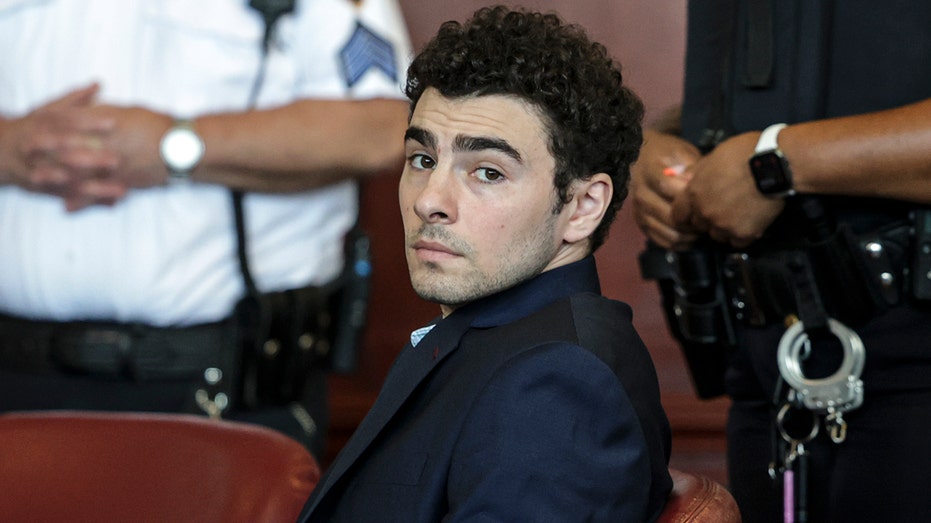
Robert Jacob Hoopes pleaded guilty to aggravated assault of a federal employee with a dangerous weapon. According to court records, prosecutors said Hoopes threw a rock that hit an ICE officer in the face, causing what authorities described as significant injuries. The wound reportedly bled heavily, impaired the officer’s vision, and required medical care beyond basic first aid.
On Thursday, a federal judge sentenced Hoopes to 30 months in prison. In addition to his prison term, he will serve three years of supervised release and must pay more than $8,000 in restitution.
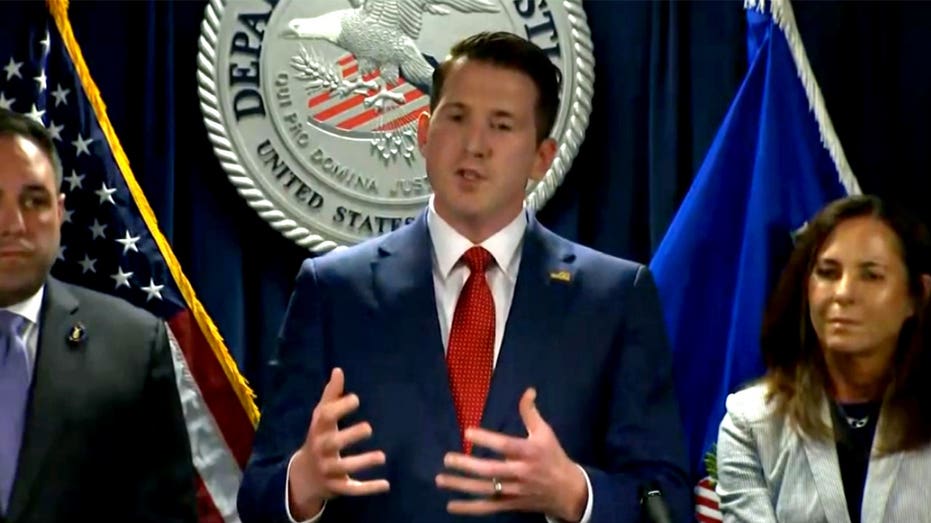
“Today’s message is clear — violence is not a protest,” said U.S. Attorney Scott Bradford in a statement following the sentencing. “When you cross the line and assault a federal officer, you will be prosecuted.”
The case underscores a complicated and painful reality: while peaceful protest remains a cornerstone of democratic life, moments of escalation can carry serious legal and human consequences — for demonstrators and officers alike.
Facial Recognition and Civil Liberties Questions
Federal investigators identified Hoopes using facial recognition technology, raising renewed civil liberties concerns about the growing use of digital surveillance tools in protest-related cases.
Charging documents state that investigators submitted a photograph published by a local news outlet to commercially available facial recognition software. The system generated roughly 30 possible matches using publicly accessible databases. Authorities then narrowed in on an image hosted on a Reed College SmugMug page titled “Canyon Day April ’23.” Prosecutors said a tattoo visible on the individual’s forearm matched markings seen on the person who threw the rock during the June 14 protest.
Privacy advocates have repeatedly warned that facial recognition software can misidentify individuals and disproportionately impact marginalized communities. While authorities maintain the technology is a valuable investigative tool, its use in protest settings continues to spark debate about the balance between public safety and constitutional rights.
A Family’s Perspective
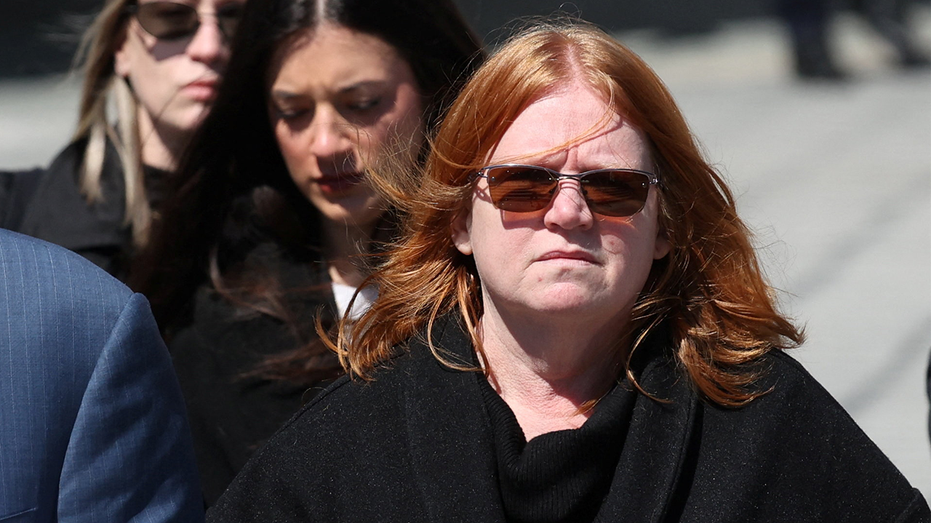
Hoopes’ father, Tom Hoopes, previously described his son as a “lifelong Quaker” committed to pacifism. While he acknowledged that his son attended the protest, he declined to detail his involvement.
“What his involvement was: I can’t speak to that, but he is deeply committed to justice,” he said in a prior interview.
The elder Hoopes’ comments highlight the emotional complexity surrounding protest movements, where individuals motivated by moral conviction can find themselves entangled in moments of confrontation that reshape their lives.
Broader Crackdown on Protest-Related Clashes
The Justice Department has brought charges against numerous people accused of assaulting federal officers during protests tied to former President Donald Trump’s hardline immigration agenda. Advocates for immigrant rights argue that aggressive enforcement tactics and expanding detention have fueled public anger across the country.
More recently, demonstrations outside Delaney Hall, an immigration detention center in Newark, New Jersey, have led to dozens of arrests following clashes between protesters and law enforcement.
As debates over immigration policy, detention practices, and executive power continue, so too does the tension in communities grappling with the human cost of enforcement. For many Americans, the core questions remain urgent: How does a democracy safeguard both public safety and the right to dissent? And how can movements for justice remain grounded in nonviolence while confronting policies they view as harmful?
The sentencing of Robert Hoopes serves as a stark reminder that while protest is a protected and powerful form of civic engagement, acts that cause harm carry lasting consequences — not only for those injured, but for the broader movement seeking change.
News For All Americans