We All Matter News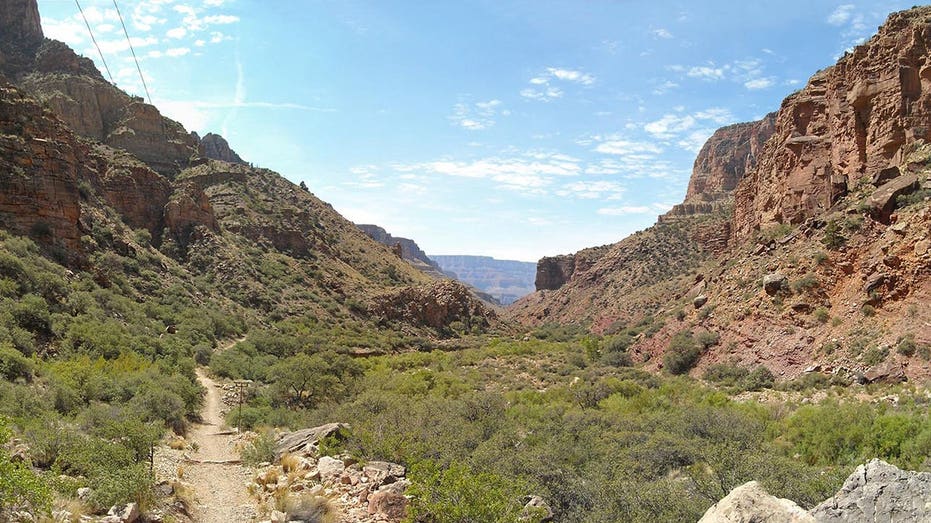
Extreme Heat Turns Deadly in the Grand Canyon as Climate Crisis Intensifies
Scorching temperatures in Grand Canyon National Park have claimed multiple lives this month, underscoring the deadly consequences of extreme heat in one of the nation’s most treasured public lands. According to the National Park Service (NPS), three hikers died in two separate heat-related incidents in mid-June, with another 18-year-old hiker losing his life earlier in the month under similar conditions.
Park rangers and emergency crews responded to emergencies on June 12 and June 16 along trails in the Inner Canyon, where midday temperatures can soar above 109 degrees Fahrenheit—even in the shade. These are not just uncomfortable conditions; they are life-threatening, especially as climate change drives longer, harsher heat waves across the Southwest.
Lives Lost on Popular Trails
On June 12, a 72-year-old man died after reportedly experiencing symptoms consistent with heat-related illness on the South Kaibab Trail. Just four days later, on June 16, responders were called to the North Kaibab Trail, where a 67-year-old man and a 68-year-old woman were also believed to have succumbed to heat-related illness. Investigations into the exact causes remain ongoing.
Despite swift action from rangers, including aerial support, all three hikers were pronounced dead at the scene. Their bodies were transported to the Coconino County Medical Examiner’s Office.
Earlier in June, another tragedy unfolded. On June 3 at around 1:40 p.m., park officials received a distress call about an 18-year-old hiker suffering from heat-related symptoms below Havasupai Gardens along the Bright Angel Trail. Rangers located him roughly 30 feet below the trail near Garden Creek, in a remote section of the canyon.
Emergency teams launched a coordinated rescue operation, including a helicopter response. Despite these efforts, lifesaving measures were unsuccessful. The young hiker had been attempting a challenging day hike from the South Rim to the Colorado River and back—an ambitious route made even more dangerous by extreme temperatures.
A Growing Public Health Emergency
These deaths are heartbreaking, and they are not isolated. The Grand Canyon’s inner trails have always posed risks, but climate change is magnifying those dangers. With temperatures routinely topping 100 degrees and showing no sign of cooling in coming years, heat has become one of the most urgent public health threats facing outdoor workers, travelers, and local communities alike.
Extreme heat disproportionately endangers older adults, young people, outdoor laborers, and those without adequate access to cooling resources. As public lands grow hotter, the federal government faces increasing pressure to expand heat safety education, invest in climate resilience, and confront the fossil fuel pollution driving these deadly extremes.
Heat-related illnesses can escalate rapidly, overwhelming even experienced hikers in a matter of minutes when temperatures spike above 100 degrees.
Rangers continue to urge visitors to take warnings seriously. The Inner Canyon can be significantly hotter than the rim, and conditions can deteriorate quickly by midday. Hydration, rest, and realistic planning are essential—but even preparation may not be enough when temperatures reach record-breaking highs.
Protecting People and Public Lands
America’s national parks belong to all of us. Ensuring that they remain safe and accessible in an era of escalating climate disruption will require more than individual caution—it demands systemic action. From cutting greenhouse gas emissions to investing in public infrastructure and emergency preparedness, protecting lives means confronting the root causes of extreme heat.
- Midday Inner Canyon temperatures can exceed 109°F in the shade.
- Four hikers have died this month in heat-related incidents.
- Older adults and young hikers are particularly vulnerable.
As families across the country head outdoors this summer, these tragic losses serve as a sobering reminder: the climate crisis is not a distant threat. It is here, and it is already costing lives.