We All Matter News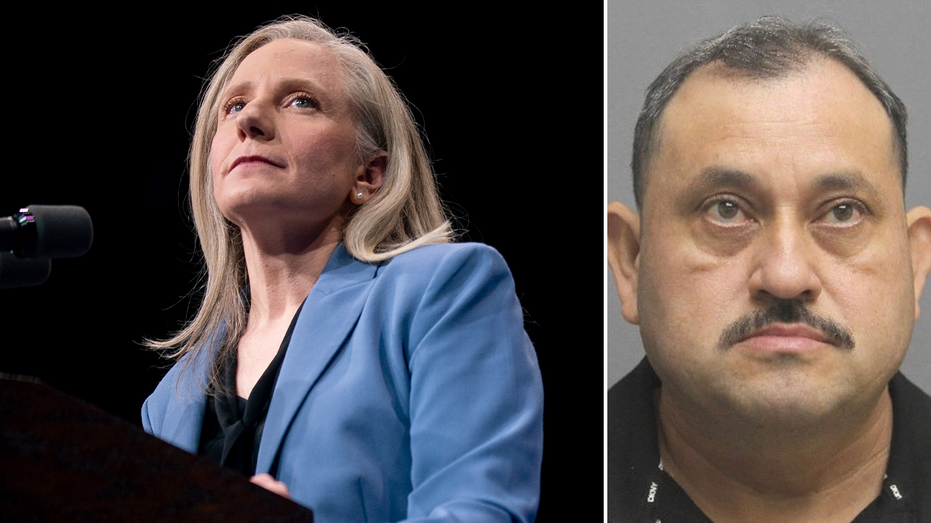
Child Safety Case Sparks Political Showdown Between DHS and Virginia Leaders
A deeply troubling child abuse case in Virginia has ignited a heated political battle between federal immigration officials and the state’s leadership, raising urgent questions about public safety, due process, and the politicization of immigration.
Jose Nahun Aleman Hernandez, 43, of Woodbridge, was arrested on June 3 by the Prince William County Police Department and charged with aggravated sexual battery involving a 5-year-old girl. According to authorities, the alleged abuse occurred inside a babysitter’s home, where both the child and Hernandez were present. The reported incidents span from January 2023 through March 2026. Police have stated that no physical injuries were reported.
Hernandez was granted a $5,000 secured bond by a court, a decision that prompted a public outcry from the Department of Homeland Security (DHS). On social media, DHS officials sharply criticized Virginia’s immigration enforcement policies and called on Governor Abigail Spanberger to intervene to prevent Hernandez’s release.
The agency framed its criticism around Virginia’s so-called “sanctuary” approach, which generally limits state and local cooperation with federal immigration enforcement unless required by law. DHS accused state leaders of jeopardizing public safety by not working more closely with Immigration and Customs Enforcement (ICE).
As of Wednesday afternoon, Gov. Spanberger had not issued a public response to the agency’s remarks, and her office did not immediately comment on the controversy.
Serious Charges, Serious Responsibilities
There is no question that accusations involving harm to a child demand serious attention. The safety and well-being of children must remain a top priority for every community. Survivors and families deserve justice, thorough investigations, and access to support services without political interference.
At the same time, legal experts note that bond decisions are typically made by judges based on state law, courtroom arguments, and assessments of flight risk and public safety—not by governors responding to federal pressure campaigns. The U.S. justice system, at its best, is designed to ensure accountability while preserving the constitutional right to due process.
Our legal system must safeguard children while also upholding the fundamental principle that everyone is entitled to fair treatment under the law.
Immigration Politics in the Spotlight
DHS’s forceful public appeal underscores the growing tension between federal immigration authorities and states that seek to limit entanglement with ICE. Advocates of these policies argue that building trust between immigrant communities and local law enforcement makes everyone safer. When immigrants fear automatic deportation for any police interaction, they are less likely to report crimes, testify in court, or cooperate in investigations—including cases involving abuse.
Critics, including DHS officials in this case, argue that limiting cooperation creates gaps in enforcement that could allow individuals accused of serious crimes to avoid federal detention. The debate reflects a broader national divide over how immigration enforcement should intersect with local justice systems.
- Local police arrested and charged the suspect under Virginia law.
- A state judge set a secured bond of $5,000.
- Federal officials are urging greater coordination with ICE to prevent release.
For many progressives and civil liberties advocates, the concern is not whether serious crimes should be prosecuted—they absolutely should—but whether federal agencies are leveraging a sensitive and painful case to score political points in the ongoing immigration debate.
Balancing Safety, Justice, and Human Rights
Communities deserve policies that protect children and hold abusers accountable, regardless of immigration status. They also deserve leadership that resists fear-driven narratives that paint entire immigrant communities as threats based on the alleged actions of one individual.
The path forward must prioritize survivors, uphold constitutional protections, and reject rhetoric that dehumanizes immigrants. Public safety and immigrant rights are not mutually exclusive. In fact, building inclusive systems rooted in trust, transparency, and accountability makes all Americans safer.
As this case proceeds through the courts, Virginians—and the nation—will be watching closely to see whether leaders focus on justice for the child at the center of the case, rather than allowing national immigration politics to overshadow the pursuit of truth and accountability.