We All Matter News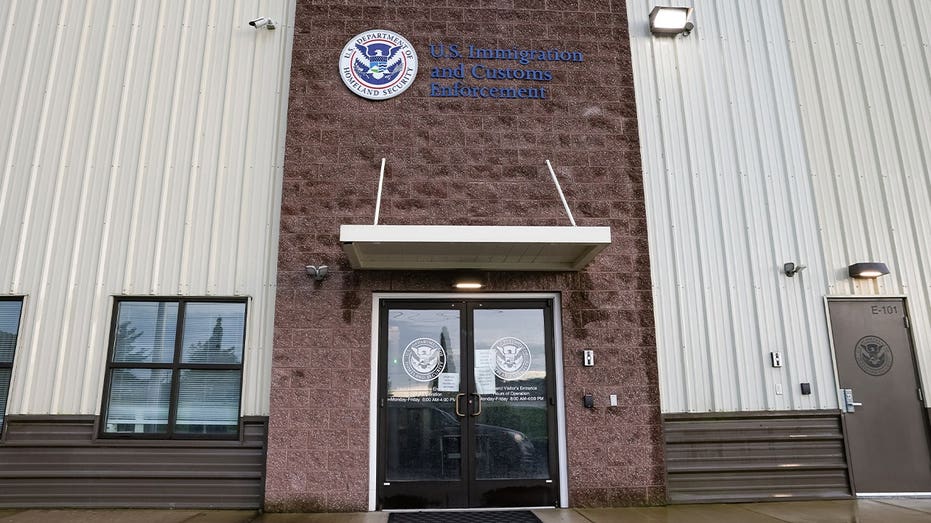
Explosive Device Discovered Near Cleveland ICE Facility Sparks Evacuations and Federal Investigation
A live explosive device was discovered Monday near a Department of Homeland Security facility in the Cleveland area, triggering widespread evacuations and a significant law enforcement response. Authorities cleared at least seven nearby buildings after the device was found in a UPS drop box inside an office complex in Brooklyn Heights, Ohio.
The building at 925 Keynote Circle houses multiple federal operations, including a satellite office for Immigration and Customs Enforcement (ICE) operating under the agency’s Detroit Field Office. Officials confirmed that workers and visitors were immediately evacuated as a precaution while bomb squads and federal agents moved in to secure the area.
According to the Department of Homeland Security, the Federal Protective Service (FPS) was conducting a routine security sweep of a publicly accessible lobby when a K-9 unit alerted officers to a suspicious package inside the drop box. Law enforcement agencies, including the FBI, the Bureau of Alcohol, Tobacco, Firearms and Explosives (ATF), and local police, responded swiftly.
“FPS immediately contacted local law enforcement and initiated a full evacuation of the facility as a precaution,” a spokesperson said. “The situation has been resolved and all clear has been given to reoccupy the building.”
ATF officials described the event as a “hazardous device incident,” underscoring the seriousness of the threat. Thankfully, no injuries were reported.
Public Safety and Democratic Stability at Stake
While the immediate danger has passed, the discovery raises urgent questions about safety at government facilities — particularly those tied to contentious immigration enforcement operations. The complex also houses the Office of the Principal Legal Advisor and ICE Enforcement and Removal Operations bond services, both of which play central roles in the federal immigration system.
In recent years, immigration policy has become one of the nation’s most divisive political flashpoints. Regardless of where Americans stand on enforcement practices, acts of violence or attempted intimidation threaten the core democratic principle that disputes must be resolved through civic engagement and accountability — not fear and destruction.
Federal employees, contractors, and members of the public who access these buildings deserve safe workplaces and secure public institutions. Workers serving in government offices — from administrative staff to legal advocates — should not face threats simply for doing their jobs. At the same time, communities impacted by immigration enforcement deserve policies rooted in compassion, fairness, and human rights, rather than punitive systems that deepen instability and mistrust.
Ongoing Investigation
The FBI and ATF are now leading the investigation to determine who placed the device and what their motive may have been. Officials have not yet released details about the nature of the explosive or whether it was intended to detonate.
Security at federal buildings often includes controlled access points, surveillance systems, and regular sweeps by trained K-9 units. In this case, those precautions appear to have prevented potential harm. The rapid evacuation of multiple buildings suggests authorities treated the threat with the highest level of urgency.
As the investigation continues, community leaders and advocates are likely to renew calls for both improved public safety measures and a broader national reckoning with the political rhetoric that can inflame tensions around immigration and federal authority.
Moments like this serve as a reminder that safe communities depend not only on law enforcement responses, but also on a commitment to democracy, de-escalation, and policies that treat every person with dignity. Violence — or the threat of it — undermines that shared commitment and places working families at risk.
For now, employees have returned to the Brooklyn Heights facility, and federal investigators are working to ensure accountability. The region can breathe a sigh of relief that no one was harmed — while remaining clear-eyed about the work still needed to protect both public servants and the communities they serve.