We All Matter News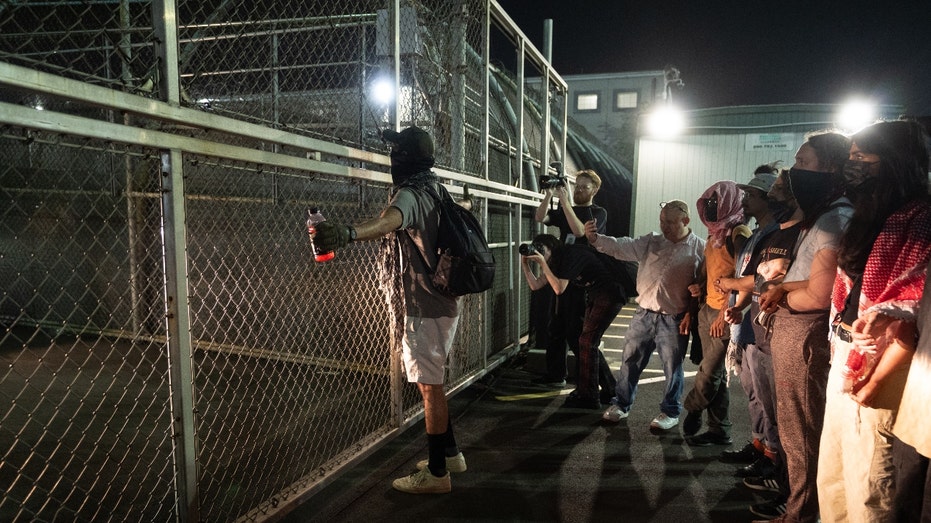
Protesters and Governor Blocked at Newark Detention Center Amid Mounting Concerns Over Conditions
Tensions flared outside the Delaney Hall detention center in Newark on Monday as immigrant-rights advocates confronted federal immigration agents, demanding transparency and humane treatment for the hundreds of people detained inside. The protest unfolded as New Jersey Governor Mikie Sherrill was denied entry to the privately operated facility, intensifying concerns about what may be happening behind closed doors.
Demonstrators gathered outside the facility, attempting to form a human chain in a show of solidarity with those inside. Chants of “No more ICE!” and “Free them all!” rang out as families, advocates, and community members called for accountability. The scene grew heated when some protesters threw water toward Immigration and Customs Enforcement agents, who responded by ordering the crowd to move and detaining several demonstrators. After a tense face-off between protesters and officers, the immediate confrontation subsided.
But the larger questions remain unresolved.
Governor Sherrill confirmed that her formal request to inspect the facility was denied earlier that day. In a public statement, she said the refusal “raises serious questions about what they are trying to hide from public view.”
“I have long opposed private detention facilities and will continue to advocate for the closure of Delaney Hall and against any expansion of mass detention facilities in New Jersey,” Sherrill said, also referencing a proposed new detention site in Roxbury.
At the heart of the growing outcry is a hunger and labor strike reportedly launched by hundreds of detainees inside Delaney Hall. Nearly 300 individuals signed a letter released last week describing what they called “inhumane” conditions, including inadequate food and a lack of medical care or meaningful access to visits.
In their letter, the detainees acknowledged entering the United States without legal authorization, citing life-threatening conditions in their home countries as the reason for their migration. They wrote that they now feel “vulnerable” and “in a way, kidnapped,” describing what they see as unjust detention and physical and psychological suffering linked to poor living conditions.
“Initially, we ask for forgiveness for the way we entered the United States,” the letter reads. “But given the circumstances we were living in… our lives and those of our family members were in danger. We feel detained without justification… tortured physically and psychologically due to poor food resources provided in these detention centers.”
Family members have maintained a vigil outside the facility since Friday, holding signs and calling attention to their loved ones’ confinement. For many, the issue is not only about immigration policy but about basic human dignity and oversight in an era of expanding detention.
A spokesperson for the Department of Homeland Security disputed the allegations, stating that detainees are provided with three meals per day, clean water, clothing, showers, hygiene products, and access to phones to communicate with attorneys and relatives. The spokesperson also said certified dieticians evaluate meals and claimed that ICE detention standards exceed those of many prisons that house U.S. citizens.
Still, immigrant-rights advocates argue that privately run immigration detention facilities operate with insufficient transparency and accountability. They say denying elected officials access only deepens public concern. Critics also point out that detention centers often hold individuals awaiting civil immigration proceedings — not criminal convictions — raising fundamental questions about due process and proportionality.
Earlier this year, a former Department of Homeland Security official described Delaney Hall as housing individuals accused of serious crimes, including gang violence and sexual assault. However, advocates stress that broad characterizations should not overshadow the reality that many detainees are asylum seekers or longtime community members with families in the United States.
Several Democratic elected officials, including Sen. Andy Kim and Reps. Rob Menendez Jr., Nellie Pou, LaMonica McIver, Analilia Mejia, and Frank Pallone Jr., have either visited the facility or publicly called for its closure.
As protests continue and detainees press forward with their strike, the standoff at Delaney Hall underscores a deeper national debate: whether the United States will continue to expand a system of mass immigration detention, often run by private contractors, or move toward policies rooted in transparency, community safety, and respect for human rights.
For advocates gathered outside the Newark facility, the message is clear: oversight is not optional, and human dignity should never be negotiable.