We All Matter News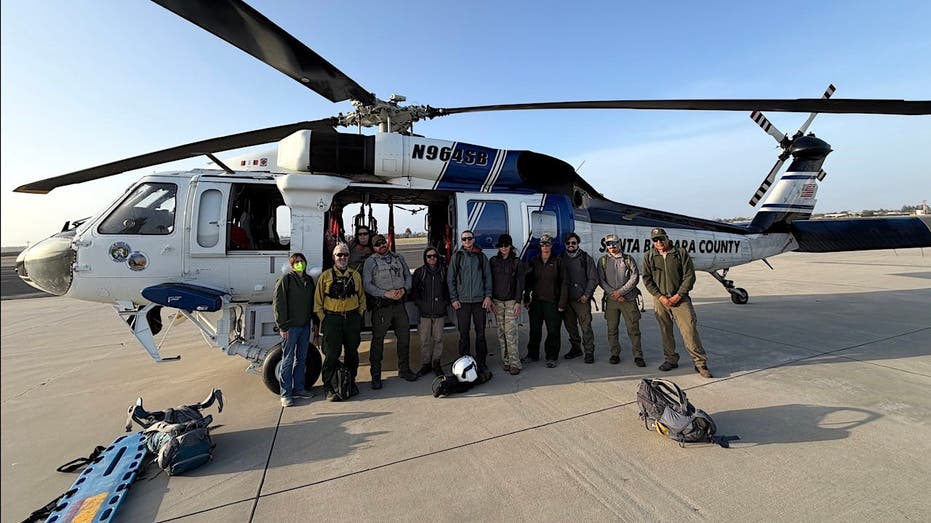
Helicopter Rescue Underscores Growing Wildfire Threat to Public Lands and Workers
Eleven National Park Service employees were airlifted to safety on Sunday after a fast-moving, human-caused wildfire tore across more than 10,000 acres of Santa Rosa Island, highlighting both the bravery of public servants and the mounting dangers facing America’s treasured public lands.
A Santa Barbara County Fire Department helicopter carried out the emergency evacuation as flames advanced toward employee housing on the remote island, part of Channel Islands National Park. Officials said the workers risked being completely cut off by the rapidly spreading blaze. All 11 employees were transported safely to Oxnard Airport. No injuries were reported.
Fire officials described the operation as a success, crediting the flight crew with acting swiftly to protect park staff who were on the frontlines of safeguarding federal lands. These workers—often underpaid and overstretched—serve as caretakers of some of the nation’s most fragile ecosystems.
Fire Rages With No Containment
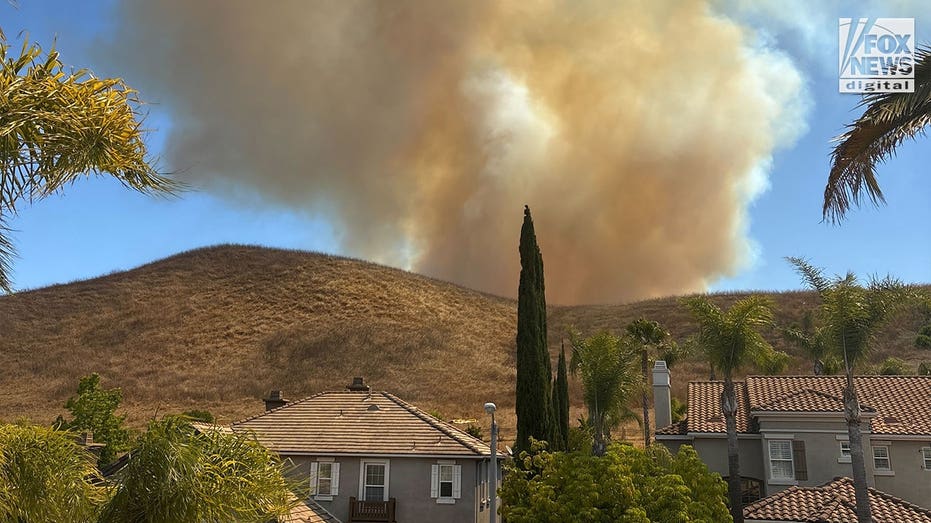
As of Sunday evening, the wind-driven fire had scorched 10,025 acres on the island’s south side between Ford Point and South Point. Authorities reported 0% containment, and at least two structures had been destroyed.
The National Park Service, which oversees the island, has confirmed that the blaze was caused by human activity and is under investigation. The fact that this inferno did not stem from natural causes underscores a sobering reality: careless or reckless human behavior, compounded by intensifying climate conditions, is putting irreplaceable public lands at risk.
Roughly 70 firefighters and park rangers worked into Sunday night to contain the flames under difficult and shifting winds. Their efforts continue as the island remains closed to visitors through at least this week.
Public Health and Environmental Consequences
The smoke did not stay confined to the island. Air quality impacts stretched eastward toward the California coast, with forecasters warning that smoky conditions could linger through at least Tuesday if the blaze continues unchecked. Residents along the coast reported smelling smoke as haze drifted into their communities.
Officials urged the public to monitor local air quality conditions, as wildfire smoke poses serious health risks — particularly to children, seniors, outdoor workers, and people with respiratory conditions. In a state already grappling with worsening fire seasons, communities are all too familiar with the health toll that prolonged smoke exposure can bring.
Threat to Rare Wildlife and Fragile Ecosystems
Santa Rosa Island is not only a beloved national park destination; it is an ecological treasure. The island is home to six plant species found nowhere else on Earth. Conservationists warn that the fire now threatens these rare native plants, potentially pushing some closer to extinction.
The island also supports iconic wildlife, including the island fox, spotted skunks, and elephant seals. Fires of this magnitude can devastate habitats that have taken centuries to develop. In fragile island ecosystems, recovery can be painfully slow — and sometimes incomplete.
This unfolding disaster serves as a stark reminder of what is at stake when environmental protections are weakened or when human negligence ignites catastrophe. Public lands are not expendable—they are a shared inheritance that belongs to every American, not private interests or short-term profit seekers.
Protecting Workers and Public Lands
The safe evacuation of the 11 National Park Service employees stands as a testament to the importance of publicly funded emergency services and well-coordinated disaster response systems. It also highlights the dedication of federal workers who continue to serve under increasingly hazardous conditions.
As wildfire seasons grow longer and more intense, investments in climate resilience, environmental stewardship, and worker safety are more urgent than ever. America’s national parks represent our democratic commitment to preserving natural beauty and biodiversity for future generations.
For now, firefighters remain on the ground battling the flames to prevent further destruction. The hope is not only for containment, but for a renewed commitment to protecting both the people who serve our public lands and the ecosystems that make them worth protecting.